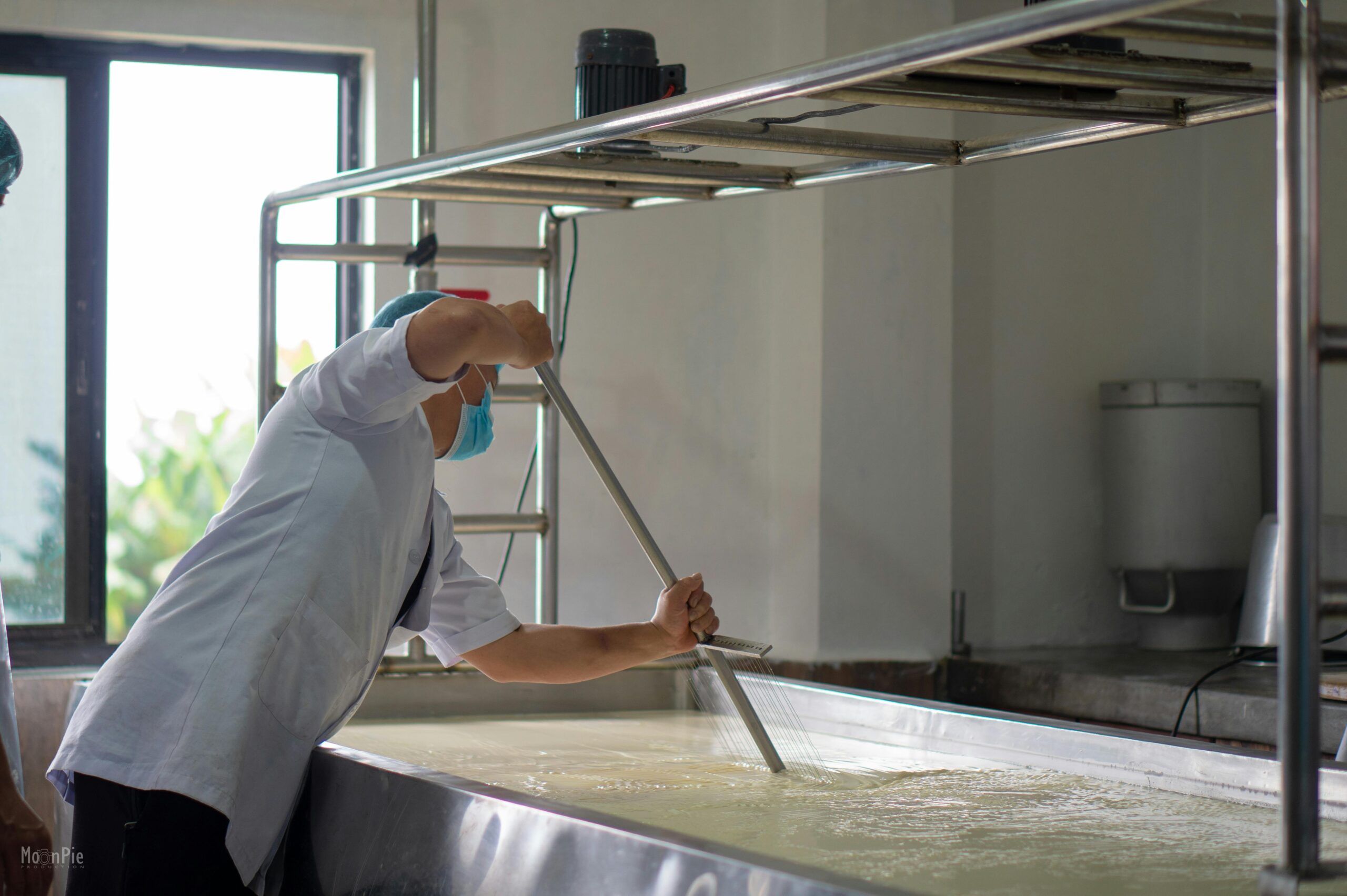

Water containment systems are critical infrastructure elements that protect communities worldwide, yet their maintenance and repair remain overlooked in many regions, leaving populations vulnerable to environmental and health hazards.
🌊 Understanding the Critical Role of Water Containment Systems
Water containment structures serve as the backbone of modern civilization, managing everything from drinking water supplies to stormwater drainage and wastewater treatment. These systems include tanks, reservoirs, pipes, dams, levees, and retention ponds that control water flow and prevent contamination. When these structures fail, the consequences can be devastating—from property damage and environmental pollution to public health crises and economic disruption.
Communities that understand how to maintain and repair these systems develop resilience against water-related disasters. This knowledge becomes particularly valuable in regions facing climate change impacts, aging infrastructure, or limited access to professional repair services. By mastering water containment repair, communities transform from passive victims of infrastructure failure into active agents of sustainable development.
Common Water Containment Challenges Facing Communities
Every community faces unique water management challenges, but several problems appear universally across different geographical and economic contexts. Recognizing these issues represents the first step toward developing effective repair strategies.
Structural Deterioration and Material Breakdown
Concrete tanks develop cracks over time due to thermal expansion, ground settlement, or chemical reactions with stored water. Metal containers experience corrosion from water contact, particularly in areas with high mineral content or industrial contamination. Plastic and fiberglass structures degrade under ultraviolet exposure and temperature fluctuations, becoming brittle and prone to cracking.
Understanding material-specific degradation patterns helps communities anticipate problems before catastrophic failure occurs. Regular inspection protocols enable early detection of deterioration, allowing for cost-effective repairs rather than expensive emergency replacements.
Leakage and Water Loss
Leaking water containment systems waste precious resources while potentially causing foundation damage, soil erosion, and structural instability. In agricultural communities, even small leaks can represent significant economic losses over time. Urban areas face the added challenge of leaks undermining roads and buildings, creating dangerous sinkholes.
Communities equipped with leak detection skills can identify problems through water meter monitoring, visual inspections, and simple pressure tests. These techniques require minimal equipment but deliver substantial savings in water conservation and infrastructure protection.
Contamination and Water Quality Issues
Compromised containment structures allow external contaminants to enter water supplies or permit stored water to escape into surrounding environments. Damaged potable water tanks can introduce bacteria, chemicals, or sediment into drinking water, while breached wastewater systems contaminate groundwater and surface water bodies.
Proper sealing and lining techniques prevent contamination, protecting both human health and ecosystem integrity. Communities that master these repair methods safeguard their most vital resource while avoiding costly remediation efforts.
Essential Knowledge for Effective Water Containment Repair
Empowering communities requires building comprehensive knowledge across multiple domains. This multifaceted approach ensures sustainable solutions that communities can maintain independently over time.
Material Science Fundamentals
Different containment materials demand distinct repair approaches. Concrete repairs often involve patching compounds, epoxy injections, or surface coatings that restore structural integrity and waterproofing. Metal repairs may require welding, patching with compatible metals, or applying protective coatings to prevent further corrosion.
Synthetic materials like plastic and fiberglass benefit from specialized adhesives and patching kits designed for their specific polymer compositions. Understanding material compatibility prevents repair failures and ensures long-lasting solutions. Communities should develop reference guides documenting which materials work together and which combinations cause degradation or poor bonding.
Assessment and Diagnostic Skills
Accurate problem diagnosis separates effective repairs from wasteful attempts that fail to address root causes. Visual inspection techniques teach community members to identify surface cracks, corrosion patterns, and structural deformations. Simple water tests reveal pH imbalances or contamination that might indicate containment breaches.
Pressure testing methods help locate leaks in closed systems without destructive investigation. Acoustic listening devices, moisture meters, and basic flow measurement tools extend diagnostic capabilities beyond what human senses alone can detect. Training programs should emphasize systematic inspection protocols that ensure thorough assessment before repair work begins.
Repair Techniques and Implementation Methods
Practical repair skills form the core of community empowerment. Surface crack repair begins with proper preparation—cleaning away loose material, creating uniform crack profiles, and ensuring dry surfaces for adhesive bonding. Injection techniques force repair materials deep into cracks, filling voids that surface applications cannot reach.
Structural repairs may require reinforcement with additional materials, such as carbon fiber wraps for concrete tanks or steel banding for corroded metal containers. Lining techniques create new waterproof barriers inside damaged structures, extending their useful life without complete replacement. Each technique requires specific tools and materials, but most are accessible to communities with basic training and modest budgets.
💡 Building Community Capacity Through Education and Training
Knowledge transfer mechanisms determine whether repair expertise remains concentrated in a few hands or spreads throughout the community. Sustainable solutions emerge when diverse community members develop competence in water containment maintenance.
Establishing Local Training Programs
Community-based training programs adapt content to local contexts, using familiar examples and addressing region-specific challenges. These programs should blend theoretical knowledge with hands-on practice, allowing participants to develop confidence through supervised repair projects on non-critical systems before tackling essential infrastructure.
Successful training incorporates multiple learning modalities—demonstrations, written guides, video documentation, and mentorship relationships. This diversity ensures that people with different learning styles all gain necessary competencies. Local language instruction and culturally appropriate teaching methods increase participation and knowledge retention.
Creating Knowledge Resources and Documentation
Written repair manuals, video tutorials, and photographic guides preserve knowledge beyond individual training sessions. These resources should document local materials, suppliers, and proven techniques specific to the community’s infrastructure. Digital formats enable easy sharing and updating as new methods emerge or local conditions change.
Community members with technical skills should document their repair experiences, creating case studies that help others troubleshoot similar problems. This collective knowledge base becomes increasingly valuable over time, capturing lessons learned and preventing repeated mistakes.
Developing Local Expertise Networks
No single person needs to master every aspect of water containment repair. Communities function more sustainably when they develop networks of individuals with complementary specializations. One person might excel at concrete repairs, while another understands metal corrosion, and a third specializes in synthetic materials.
Formal networks with contact lists and skill inventories help community members quickly locate appropriate expertise when problems arise. Regular meetings allow specialists to share knowledge, discuss challenging repairs, and coordinate on complex projects requiring multiple skill sets.
Sustainable Materials and Resource Management
Repair sustainability depends partly on material availability and environmental compatibility. Communities that source materials locally and prioritize environmentally friendly options create more resilient repair systems.
Local Material Sourcing Strategies
Identifying regional suppliers reduces costs and delivery times while supporting local economies. Some repair materials can be sourced from recycled or repurposed items—cleaned containers, salvaged metals, or processed industrial byproducts. Creative communities develop innovative solutions using readily available materials when conventional products prove too expensive or difficult to obtain.
Establishing relationships with local hardware stores, building material suppliers, and industrial facilities ensures material access during emergencies. Bulk purchasing cooperatives allow communities to negotiate better prices while maintaining material stockpiles for urgent repairs.
Environmental Considerations in Material Selection
Repair materials should minimize environmental harm throughout their lifecycle—from manufacturing and transportation to application and eventual disposal. Water-based sealants, low-VOC compounds, and biodegradable materials reduce pollution while protecting worker health during application.
Communities should evaluate material longevity alongside immediate costs. Durable repairs reduce long-term environmental impact by decreasing material consumption over time. This lifecycle perspective encourages investment in quality materials that deliver superior performance rather than cheap alternatives requiring frequent replacement.
🔧 Implementing Preventive Maintenance Programs
Repair expertise becomes most valuable when communities shift from reactive emergency responses to proactive maintenance programs. Preventive approaches reduce overall costs while improving water system reliability.
Developing Inspection Schedules
Regular inspections identify minor problems before they escalate into major failures. Inspection frequency depends on system age, material type, environmental conditions, and criticality. Potable water systems warrant more frequent monitoring than stormwater retention ponds due to health implications.
Seasonal inspection schedules align with climate patterns—checking for freeze damage after winter, storm damage after monsoons, or heat-related degradation after summer. Standardized inspection checklists ensure thoroughness while creating documentation trails that reveal developing trends over time.
Creating Maintenance Task Lists
Routine maintenance tasks extend system lifespans significantly. These include cleaning debris from gutters and drains, removing sediment from tanks, applying protective coatings, tightening fasteners, lubricating valves, and trimming vegetation that might damage infrastructure.
Communities should develop maintenance calendars assigning specific tasks to particular times of year. Distributing responsibilities among multiple volunteers prevents burnout while ensuring critical maintenance occurs consistently.
Establishing Emergency Response Protocols
Despite best preventive efforts, emergencies still occur. Pre-established response protocols enable rapid action that minimizes damage. These protocols should identify decision-makers, specify notification procedures, list available resources, and outline immediate containment measures for common failure scenarios.
Emergency stockpiles containing basic repair materials—patching compounds, sealants, temporary barriers, and essential tools—enable immediate response without waiting for material deliveries. Regular drills ensure community members remember their roles and can implement protocols effectively under stress.
Technology Tools Supporting Water Containment Management
While communities should develop self-reliant repair capabilities, appropriate technologies can enhance effectiveness and efficiency. These tools range from simple devices to sophisticated digital platforms.
Basic Monitoring Equipment
Affordable monitoring tools help communities track system performance and detect problems early. Water meters reveal unexpected consumption increases that indicate leaks. Simple pressure gauges identify system pressures outside normal ranges. pH test strips and basic water quality kits detect contamination before it becomes obvious through taste or smell.
Temperature sensors, moisture detectors, and level indicators provide continuous monitoring at critical points. Communities can often fabricate simple monitoring solutions using basic electronics and open-source designs, dramatically reducing costs compared to commercial systems.
Digital Documentation and Management Platforms
Mobile applications help community members document inspections, track maintenance activities, and coordinate repair efforts. Photo documentation with location tagging creates visual records showing infrastructure condition over time. Digital platforms facilitate knowledge sharing among community members and with external experts when needed.
Cloud-based systems ensure data preservation even if individual devices are lost or damaged. However, communities should maintain paper backup systems for critical information, ensuring access during power outages or technology failures.
🌍 Financial Sustainability and Resource Mobilization
Technical knowledge alone cannot sustain water containment repair programs. Communities need financial strategies ensuring long-term resource availability for materials, tools, and ongoing maintenance.
Cost-Sharing Mechanisms
Community water systems benefit all users, making collective funding approaches logical and fair. User fee systems collect small regular payments that accumulate into substantial repair budgets. Fee structures should consider ability to pay, ensuring that low-income households maintain access to essential services.
Reserve funds set aside during normal operations provide immediate resources when emergencies arise. Communities might establish tiered response funds—small accounts for routine maintenance, larger reserves for significant repairs, and emergency protocols for accessing external assistance during catastrophic failures.
External Funding and Partnership Development
While self-reliance is valuable, communities should also pursue external funding opportunities. Government programs, nonprofit organizations, and international development agencies often provide grants or low-interest loans for water infrastructure improvement.
Successful funding applications demonstrate community capacity and commitment. Communities with documented training programs, maintenance records, and local cost-sharing mechanisms prove they will use external funds effectively. Partnerships with technical institutions, engineering firms, or established water utilities provide access to specialized expertise beyond community capabilities.
Measuring Success and Continuous Improvement
Effective water containment programs require ongoing evaluation and adaptation. Communities should establish success metrics and regular review processes that identify what works and what needs improvement.
Key Performance Indicators
Measurable indicators help communities track program effectiveness. These might include system uptime percentages, water loss rates, repair response times, maintenance task completion rates, and community member participation levels. Cost metrics document financial sustainability—repair costs per capita, preventive maintenance investments versus emergency repair expenses, or total program costs relative to system value.
Water quality measurements provide direct health impact indicators. Communities should track contamination incidents, water testing results, and disease rates potentially linked to water quality issues.
Feedback Loops and Adaptive Management
Regular program reviews bring together diverse stakeholders to discuss challenges, celebrate successes, and plan improvements. These sessions should encourage honest feedback about what works and what doesn’t, creating safe spaces for constructive criticism.
Adaptive management approaches treat water containment programs as evolving systems rather than static plans. As communities gain experience, they should refine techniques, update training materials, adjust maintenance schedules, and modify financial mechanisms based on observed results.
Scaling Success and Knowledge Sharing Beyond Communities
Communities that master water containment repair become models for others facing similar challenges. Sharing successes multiplies impact far beyond individual communities.
Inter-Community Learning Networks
Regional networks connecting multiple communities facilitate knowledge exchange and mutual support. Communities at different development stages offer complementary perspectives—newer programs benefit from experienced communities’ lessons learned, while established programs gain fresh ideas from innovative newcomers.
Exchange visits allow community members to observe successful programs firsthand, building confidence that similar approaches can work in their contexts. Joint training sessions leverage expertise across communities while reducing per-capita costs.
Contributing to Broader Knowledge Development
Communities should document and share their experiences through accessible channels—websites, social media, academic publications, or presentations at conferences. These contributions help researchers understand what works in real-world contexts, influence policy development, and inspire other communities beginning similar journeys.
Local innovations in repair techniques, materials, or organizational approaches deserve recognition and wider dissemination. Communities that develop particularly effective methods should produce detailed documentation enabling others to replicate their success.

🚀 Transforming Communities Through Water Infrastructure Mastery
Mastering water containment repair represents more than technical skill development—it embodies community empowerment, environmental stewardship, and sustainable development. Communities that control their water infrastructure gain security, health, and economic benefits while developing confidence to tackle other challenges.
This journey requires patience, investment, and commitment, but the rewards justify the effort. Reliable water systems support agriculture, industry, and daily life while preventing the devastating consequences of infrastructure failure. Communities that view water containment knowledge as a collective asset rather than specialized expertise create resilience that serves current residents and future generations.
The path forward combines technical training with organizational development, financial planning with environmental awareness, and local knowledge with external expertise. No single approach works everywhere—communities must adapt general principles to their unique contexts, available resources, and cultural values.
As climate change intensifies water-related challenges and aging infrastructure demands attention worldwide, community-based repair capacity becomes increasingly critical. Empowered communities need not wait for external saviors or expensive professional services—they can protect their water systems through knowledge, cooperation, and sustained effort. This self-reliance transforms vulnerable populations into resilient communities capable of thriving despite environmental uncertainties and resource constraints.
The foundation for sustainable water management begins with education, grows through practice, and matures into institutional capacity that serves communities indefinitely. Every repaired tank, sealed pipe, and maintained reservoir represents not just restored infrastructure but strengthened community bonds and enhanced collective capability. These investments in knowledge and skill development yield returns measured in health, prosperity, and security—outcomes that justify initial efforts many times over.