
For thousands of years, our ancestors preserved food through fermentation, creating nutrient-rich products while ensuring safety without modern refrigeration or laboratory testing equipment.
🌾 The Ancient Art of Controlled Decomposition
Traditional fermentation represents humanity’s oldest food preservation technique, predating written history by millennia. Long before Louis Pasteur identified microorganisms in the 19th century, cultures worldwide mastered the delicate balance between beneficial bacteria and harmful pathogens. This knowledge, passed through generations, created a global tapestry of fermented foods—from Korean kimchi to German sauerkraut, from Ethiopian injera to Japanese miso.
The fundamental principle underlying these ancient methods remains remarkably consistent: creating environmental conditions where beneficial microorganisms thrive while pathogenic bacteria cannot survive. Understanding these principles allows modern practitioners to safely recreate traditional fermentation processes while appreciating the sophisticated food science our ancestors developed through empirical observation.
Understanding the Microbial Guardians of Food Safety
The secret to safe traditional fermentation lies in cultivating beneficial bacteria, primarily lactic acid bacteria (LAB), which serve as natural preservatives. These microscopic allies lower pH levels, produce antimicrobial compounds, and outcompete dangerous pathogens for resources and space.
Lactobacillus, Leuconostoc, and Pediococcus species dominated ancient fermentation vessels, though our ancestors never knew their names. These bacteria naturally occur on plant surfaces, in raw milk, and throughout our environment. Traditional fermenters learned to recognize signs of successful colonization—specific aromas, textures, and flavor profiles that indicated safety.
The pH Protection Barrier
Acidity represents the primary defense mechanism in fermented foods. As beneficial bacteria consume sugars, they produce lactic acid, dropping pH levels below 4.6—the threshold where most harmful bacteria, including Clostridium botulinum, cannot survive. Traditional fermenters developed sensory tests to evaluate acidity without pH meters, using taste, smell, and visual cues to determine readiness.
This acidification process typically occurs within the first 24-72 hours of fermentation, creating what food scientists call the “safety window.” Ancient practitioners intuitively understood this timeline, developing specific preparation rituals and monitoring techniques that aligned with microbial activity patterns.
🥒 Salt: The Universal Fermentation Guardian
Salt’s role in traditional fermentation extends far beyond flavor enhancement. This mineral creates an osmotic environment that selectively encourages beneficial bacteria while inhibiting pathogens and undesirable microorganisms. The precise salt concentration determines fermentation outcomes, and ancient cultures developed remarkably accurate measurement techniques without scales.
Traditional salt measurement methods included visual estimation, hand-feel techniques, and ratio-based approaches using natural containers. A common guideline across cultures approximated 2-3% salt by weight for vegetable fermentations—a concentration modern science confirms as optimal for safety and flavor development.
Timing and Temperature Wisdom
Pre-electric fermentation relied entirely on ambient temperature management, requiring deep understanding of seasonal variations. Summer fermentations proceeded rapidly, while winter processes stretched across months. This natural pacing actually enhanced safety, as slower fermentation at cooler temperatures allows more thorough acidification and complex flavor development.
Traditional fermenters selected specific locations for their crocks and vessels—cool cellars, shaded corners, or buried pits—that maintained relatively stable temperatures. These practices demonstrate sophisticated comprehension of how temperature affects microbial activity, nutrient preservation, and safety outcomes.
The Submerging Principle: Anaerobic Protection
One universal safety principle across traditional fermentation cultures involves keeping ingredients submerged beneath liquid, creating anaerobic conditions that prevent mold growth and surface contamination. Our ancestors developed ingenious methods to achieve this: weighted stones, wooden followers, cabbage leaf caps, and ceramic weights.
This submersion serves multiple safety functions. It excludes oxygen, preventing aerobic spoilage organisms and mold. It ensures even salt distribution and consistent pH development throughout the ferment. It also prevents oxidation that could degrade nutrients and create off-flavors signaling contamination.
Visual Safety Indicators Traditional Fermenters Recognized
Ancient practitioners developed sophisticated observational skills to assess fermentation safety without laboratory testing. These visual, olfactory, and tactile indicators remain valuable today:
- Bubbling activity: Visible carbon dioxide production indicating active beneficial bacteria
- Cloudy brine: Suspended bacteria and yeast particles showing healthy microbial populations
- Pleasant acidic aroma: Lactic acid production creating characteristic fermented scents
- Firm texture: Vegetables maintaining structure rather than becoming mushy from spoilage
- White surface film: Kahm yeast formation, harmless though aesthetically undesirable
- Color preservation: Vibrant hues indicating antioxidant retention and proper fermentation
🍶 Starter Cultures: Generational Knowledge Transfer
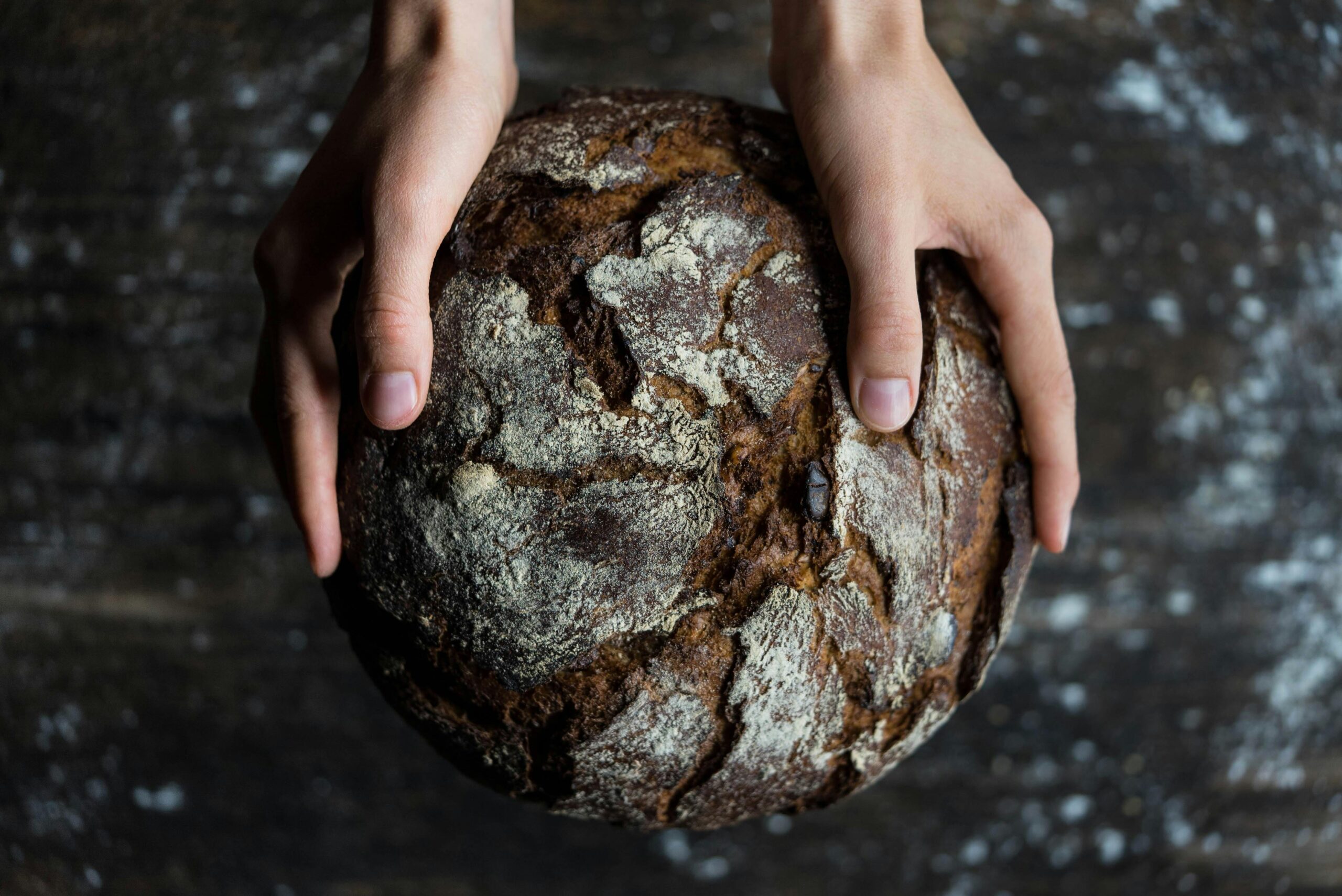
Many traditional fermentation methods employed starter cultures—portions of previous successful batches—to inoculate new fermentations. This practice, seen in sourdough bread, kefir, and various Asian fermentations, provided both microbial consistency and cultural continuity.
These “mother” cultures represented living libraries of beneficial bacteria strains, adapted over generations to specific environmental conditions and ingredient characteristics. Families treasured these starters, often passing them through inheritance and considering them valuable household assets.
The practice of using established starters significantly enhanced safety by introducing high concentrations of beneficial bacteria that quickly dominated the fermentation environment, leaving little opportunity for pathogenic colonization. Modern fermenters can recreate this advantage using commercially available starter cultures or developing their own through successive fermentation batches.
Vessel Selection and Preparation Rituals
Traditional fermentation containers—ceramic crocks, wooden barrels, glass jars, and clay pots—weren’t randomly chosen. Each material offered specific advantages for safety and flavor development. Non-reactive surfaces prevented metallic contamination that could inhibit beneficial bacteria or create toxic compounds.
Pre-fermentation cleaning rituals held both practical and ceremonial significance. Scalding vessels with boiling water, sun-drying, and rinsing with fermented liquids from previous batches all served to eliminate competing microorganisms while establishing beneficial bacterial colonies.
The Wisdom of Seasonal Timing
Traditional fermentation calendars aligned with agricultural cycles and climatic conditions. Cabbage fermentation occurred after autumn harvests when temperatures dropped, creating ideal conditions for slow, safe kraut development. Cucumber pickling happened during summer abundance when active fermentation proceeded rapidly in warm weather.
This seasonal synchronization wasn’t merely practical convenience—it represented accumulated wisdom about optimal conditions for specific fermentation types. Spring and fall’s moderate temperatures provided ideal ranges for diverse fermentations, while summer heat suited quick pickles and winter cold enabled long-term aging processes.
📊 Comparing Traditional Methods Across Cultures
| Region | Traditional Ferment | Key Safety Elements | Typical Duration |
|---|---|---|---|
| Korea | Kimchi | Salt, red pepper (antimicrobial), submersion | 3-7 days |
| Germany | Sauerkraut | Salt, pounding (brine creation), weighting | 4-6 weeks |
| Middle East | Pickled vegetables | Salt brine, grape leaves (tannins), spices | 1-2 weeks |
| Japan | Miso | Salt, koji (controlled mold), aging | 6-12 months |
| Ethiopia | Injera | Natural LAB, thin consistency, cooking | 3-5 days |
Natural Antimicrobial Additions in Traditional Recipes
Beyond salt, traditional fermenters incorporated ingredients with natural antimicrobial properties, though they understood these benefits through experience rather than scientific terminology. Garlic, ginger, hot peppers, mustard seeds, and various herbs enhanced both flavor and food safety.
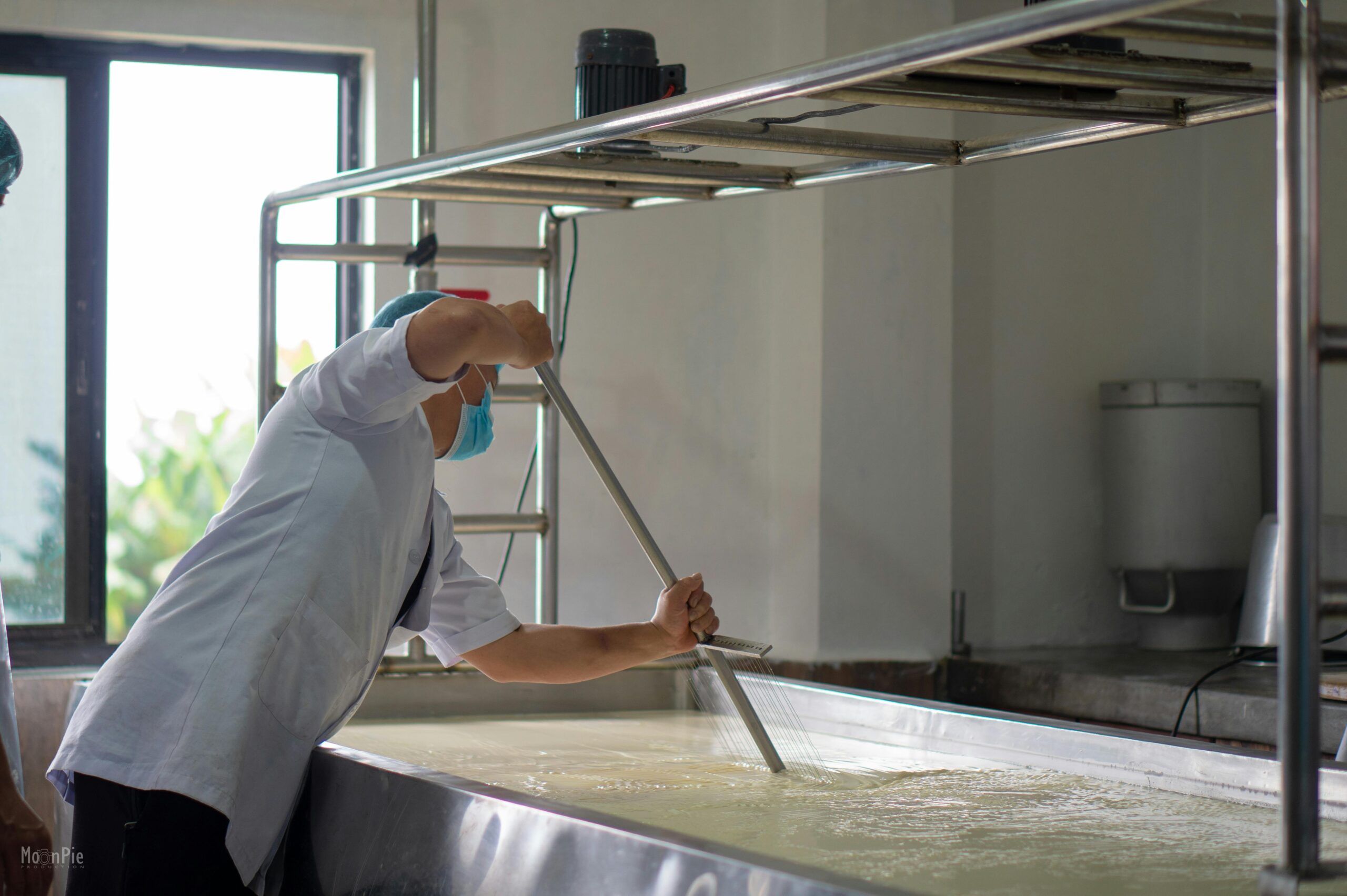
Tannin-rich additions like grape leaves, oak leaves, and tea leaves served dual purposes: maintaining vegetable crispness and providing antimicrobial compounds. Whey from previous cheese-making added beneficial bacteria and acidic protection. Honey’s low water activity and natural hydrogen peroxide production made it valuable in certain fermentation traditions.
The Protective Power of Spices
Traditional fermentation recipes often featured specific spice combinations that modern research confirms possess antimicrobial properties. Black peppercorns, coriander seeds, mustard seeds, and bay leaves contain compounds that inhibit pathogenic bacteria while allowing beneficial fermentation to proceed.
These spice selections weren’t arbitrary—they represented centuries of experimentation discovering which flavor additions also enhanced preservation and safety. The synergistic effects of combining multiple antimicrobial spices created robust protection systems that ensured fermentation success even under variable conditions.
🔍 Troubleshooting with Ancient Wisdom
Traditional fermenters developed practical solutions for common fermentation challenges, approaches that remain relevant today. Recognizing problems early and applying corrective measures distinguished successful fermentation traditions from those that risked food safety.
Soft or mushy vegetables indicated insufficient salt or premature temperature exposure. The remedy involved adding salt or relocating to cooler storage. Foul odors suggested contamination or inadequate submersion—issues addressed by removing affected portions and ensuring complete liquid coverage. Pink or slimy films required complete batch disposal, a harsh but necessary safety measure.
The Test Taste Tradition
Despite modern warnings against tasting questionable ferments, traditional practitioners relied heavily on taste testing to evaluate safety and readiness. However, this practice occurred within specific parameters: tasting only after visible signs of successful fermentation appeared, taking small amounts, and never consuming suspicious-appearing batches.
The trained palate could distinguish between the pleasant tang of lactic acid and the off-flavors indicating spoilage. This sensory evaluation, combined with visual and olfactory assessment, provided a comprehensive safety check that served humanity well for millennia.
Preserving Beyond Fermentation: Layered Safety Approaches
Many traditional preservation systems combined fermentation with additional safety measures. After initial fermentation, products might be stored in cool cellars, sealed with fat layers, or packed in additional salt. These layered approaches created multiple barriers against contamination and deterioration.
Winter storage techniques demonstrated particular sophistication. Fermented vegetables buried in snow, stored in cold streams, or kept in unheated cellars remained safe for months. The combination of low temperature, acidic pH, and salt concentration created conditions where even psychrotrophic (cold-tolerant) spoilage organisms couldn’t proliferate.
Modern Applications of Ancient Safety Principles
Today’s fermentation renaissance benefits enormously from traditional knowledge while adding modern safety understanding. We can measure pH precisely, control temperature exactly, and test for pathogens—advantages unavailable to our ancestors. Yet the fundamental principles remain unchanged.
Contemporary fermenters should embrace traditional wisdom while leveraging modern tools. Use quality salt in proper proportions. Maintain anaerobic conditions through complete submersion. Monitor fermentation progress through sensory evaluation. Select appropriate temperatures for specific fermentations. These time-tested approaches, refined through countless generations, provide the foundation for safe, successful fermentation.
Building Your Fermentation Practice
Starting a traditional fermentation practice requires minimal equipment but significant attention to detail. Begin with simple projects like sauerkraut or cucumber pickles that offer visual feedback about fermentation progress. Observe closely, take notes, and develop sensory familiarity with successful fermentation characteristics.
Document your batches—salt concentrations, temperatures, durations, and outcomes. This record-keeping mirrors the generational knowledge transmission of traditional cultures, creating your personal fermentation library. Over time, you’ll develop intuitive understanding of fermentation dynamics that supplements technical knowledge.
🌍 The Living Legacy of Fermentation Safety
Traditional fermentation methods represent humanity’s most enduring food technology. While refrigeration, canning, and chemical preservatives dominate modern food preservation, fermentation offers unique benefits: enhanced nutrition, probiotic benefits, distinctive flavors, and connection to cultural heritage.
The safety secrets embedded in traditional fermentation practices aren’t mysterious or mystical—they’re practical applications of microbiology, chemistry, and physics discovered through careful observation and experimentation. Our ancestors lacked scientific terminology but possessed profound understanding of the principles governing safe food preservation.
By mastering these ancient techniques, modern fermenters participate in an unbroken chain of knowledge stretching back thousands of years. Each successful batch honors traditional wisdom while contributing to its ongoing evolution. The bubbling crock on your counter connects you to countless ancestors who relied on these same processes for survival and nourishment.
Whether fermenting vegetables, culturing dairy, brewing beverages, or preparing grain-based ferments, the fundamental safety principles remain constant: create conditions favoring beneficial microorganisms, exclude oxygen, maintain appropriate salt levels, control temperature, ensure submersion, and trust your trained senses to evaluate progress. These time-tested approaches, validated by both ancestral experience and modern science, unlock the full potential of traditional fermentation.
The resurgence of interest in traditional fermentation reflects broader recognition of its value—nutritionally, culturally, and environmentally. As we face challenges of food security, nutrition, and sustainability, these ancient preservation methods offer proven solutions that require minimal energy, no industrial processing, and produce genuinely healthy food products rich in beneficial bacteria.
Embrace the journey of fermentation mastery with patience and respect for traditional knowledge. Start simply, observe carefully, learn continuously, and share generously. The ancient flavors you unlock carry stories of human ingenuity, cultural adaptation, and the timeless relationship between people and the microorganisms that help us transform raw ingredients into nourishing, safe, delicious foods that connect us to our shared human heritage.