
Slow cold fermentation transforms ordinary ingredients into extraordinary culinary experiences, unlocking complex flavors that quick methods simply cannot achieve.
In the world of food science and culinary artistry, few techniques have garnered as much attention and respect as slow cold fermentation. This time-honored process, which combines patience with precision, has revolutionized how we think about flavor development in everything from artisan breads to craft beverages. By allowing ingredients to ferment at controlled low temperatures over extended periods, we unlock a symphony of taste sensations that elevate dishes from good to absolutely unforgettable.
The science behind this remarkable transformation is as fascinating as the results are delicious. When we slow down the fermentation process and keep temperatures cool, we give beneficial microorganisms the perfect environment to work their magic methodically, creating depth and complexity that simply cannot be rushed.
🔬 The Science Behind Slow Cold Fermentation
Understanding what happens during slow cold fermentation helps us appreciate why this technique produces such superior results. At its core, fermentation involves microorganisms—primarily yeasts and bacteria—breaking down complex compounds into simpler molecules that contribute unique flavors, aromas, and textures.
When fermentation occurs at lower temperatures, typically between 35°F and 50°F (2°C to 10°C), the metabolic activity of these microorganisms slows dramatically. This deceleration is precisely what creates magic in your ingredients. Instead of racing through the fermentation process, microbes work gradually, producing a more refined spectrum of flavor compounds.
The extended timeline allows for the development of organic acids, esters, and other aromatic compounds that contribute to complexity. Meanwhile, enzymatic activity continues to break down starches and proteins, creating amino acids and sugars that add layers of savory and sweet notes to the final product.
Temperature Control: The Key to Consistency
Maintaining consistent low temperatures throughout the fermentation process is absolutely critical. Fluctuations can cause unwanted bacterial growth or inconsistent flavor development. Professional bakeries and breweries invest heavily in temperature-controlled environments, but home enthusiasts can achieve excellent results with careful planning and the right equipment.
Modern refrigeration technology has made slow cold fermentation accessible to everyone. By dedicating a section of your refrigerator or investing in a small wine cooler, you can maintain the precise conditions needed for optimal fermentation.
🍞 Bread Making: Where Time Becomes Flavor
Perhaps nowhere is slow cold fermentation more celebrated than in artisan bread baking. The technique has become synonymous with sourdough and other premium breads that command attention in bakeries worldwide.
When bread dough ferments slowly in cold conditions, several remarkable transformations occur simultaneously. The flour’s starches gradually convert into sugars, providing food for yeast while creating sweetness in the final loaf. Gluten networks develop more thoroughly, resulting in better structure and that characteristic chewy texture bread lovers crave.
The extended fermentation also allows lactic acid bacteria to thrive, producing the tangy notes that make sourdough so distinctive. These bacteria create acetic and lactic acids in carefully balanced proportions, delivering complexity that quick-rise breads never achieve.
The Flavor Profile Transformation
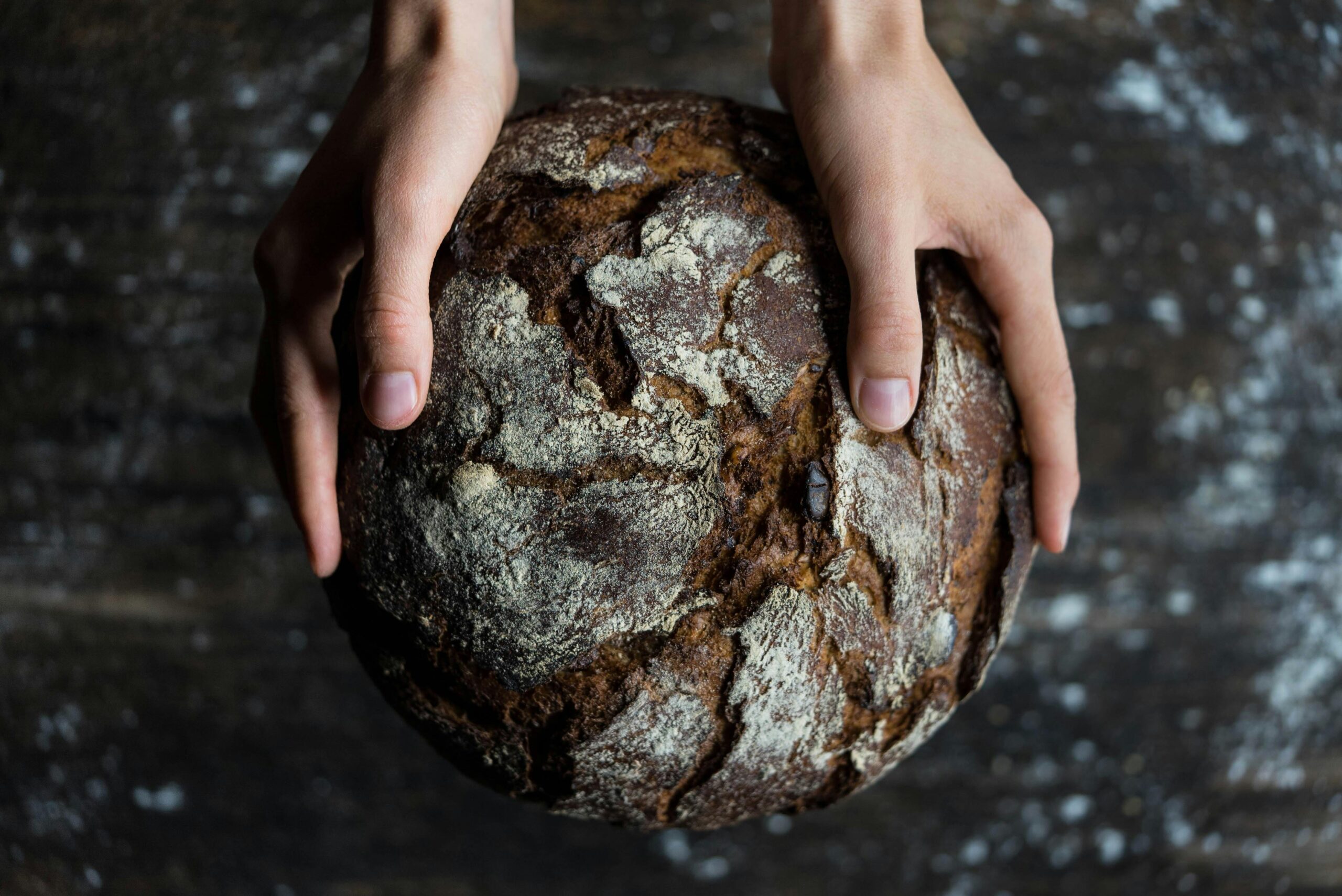
Bread made with slow cold fermentation exhibits a depth of flavor that’s immediately recognizable. You’ll notice nutty undertones, subtle sweetness balanced with pleasant acidity, and an aromatic quality that fills your kitchen with irresistible fragrance. The crust develops rich caramelization during baking, while the crumb remains moist and flavorful for days.
Beyond taste, the texture improves dramatically. The extended gluten development creates an open, irregular crumb structure with those coveted large holes. The crust achieves the perfect balance between crispy and chewy, with a deep mahogany color that signals proper fermentation.
🍺 Craft Beverages: Patience Yields Perfection
The craft brewing and wine-making industries have long recognized the value of cold fermentation. Many of the world’s most celebrated lagers undergo extended cold fermentation periods, traditionally lasting several weeks or even months.
This process, known as lagering (from the German word meaning “to store”), produces beverages with remarkable clarity, smoothness, and refined flavor profiles. The cold temperatures suppress certain fermentation byproducts that can create off-flavors, while enhancing the development of desirable compounds.
Beer and Wine Excellence
In beer production, slow cold fermentation allows yeast to settle more completely, creating clearer beverages with cleaner flavor profiles. The reduced fermentation temperature minimizes the production of fruity esters and fusel alcohols that can make beer taste harsh or overly sweet.
Wine makers employ cold fermentation particularly for white wines and rosés, preserving delicate fruit aromas and creating fresh, vibrant flavors. The technique prevents the loss of volatile aromatic compounds that would evaporate at higher temperatures, resulting in wines with pronounced fruit character and elegant balance.
🧀 Dairy Fermentation: Creating Complexity in Cheese and Yogurt
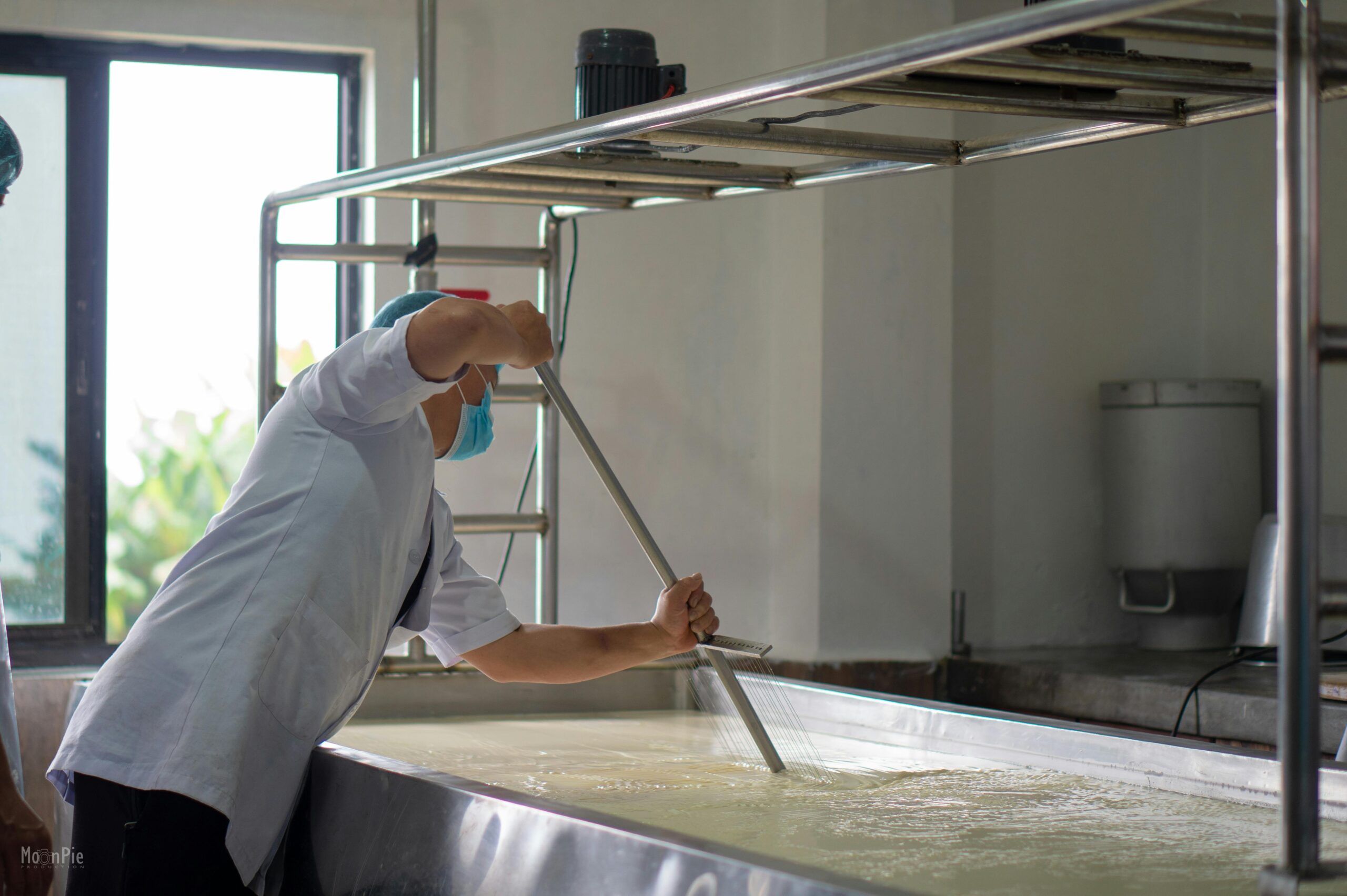
Cheese makers have practiced slow cold fermentation for centuries, understanding intuitively what science has since confirmed: time and temperature control are essential for developing the complex flavors that distinguish exceptional cheeses from ordinary ones.
During cheese aging, enzymatic and microbial activity continues even at cool temperatures. Proteins break down into amino acids and peptides, fats transform into flavorful fatty acids, and bacterial cultures produce compounds that contribute everything from sharp tanginess to nutty sweetness.
Even simpler dairy fermentations benefit from the slow cold approach. Yogurt fermented at slightly cooler temperatures over longer periods develops a smoother texture and more balanced acidity compared to quick, warm fermentations. The result is a product that’s less likely to separate and more pleasant to eat straight from the container.
🥒 Vegetable Fermentation: Preserving Nutrition While Building Flavor
Fermented vegetables represent one of humanity’s oldest food preservation methods, and slow cold fermentation takes this tradition to new heights. Sauerkraut, kimchi, pickles, and countless other fermented vegetables develop superior flavor and texture when given adequate time at controlled temperatures.
The slower fermentation rate allows different bacterial species to work in succession, each contributing unique flavor compounds at different stages. Early fermenters create the initial acidity that makes the environment safe and prevents spoilage. Later-stage bacteria develop complex flavors and increase nutritional value by producing vitamins and beneficial compounds.
Texture Preservation and Crunch Factor
One significant advantage of cold fermentation for vegetables is texture retention. The pectins that give vegetables their structure break down more slowly at cool temperatures, meaning your fermented pickles stay crisper and your sauerkraut maintains that satisfying crunch that makes it so enjoyable to eat.
The gradual acid development also creates a more balanced flavor profile. Rather than the harsh sourness that can result from warm, fast fermentation, cold-fermented vegetables offer nuanced tanginess complemented by subtle sweetness and umami depth.
⚙️ Practical Implementation: Getting Started with Slow Cold Fermentation
Embracing slow cold fermentation in your home kitchen doesn’t require professional equipment or extensive training. With basic understanding and minimal investment, you can begin producing foods with dramatically improved flavor profiles.
Essential Equipment and Setup
Start with temperature control. A dedicated refrigerator or temperature-controlled fermentation chamber provides ideal conditions. Many home brewers use modified chest freezers with external temperature controllers, creating precise environments for various fermentation projects.
For bread baking, you’ll need containers that accommodate dough expansion while protecting it from drying out. Food-grade plastic containers with lids or large bowls covered with plastic wrap work perfectly. Glass jars are ideal for vegetable fermentations, allowing you to monitor progress without opening the container.
Monitoring tools help ensure success. An instant-read thermometer confirms your refrigerator maintains proper temperatures. A kitchen scale ensures accurate measurements, critical for consistent results in fermentation.
Time Frames and Planning
Understanding typical fermentation timelines helps you plan effectively:
- Bread dough: 12-72 hours depending on recipe and desired flavor intensity
- Vegetable ferments: 1-4 weeks for optimal flavor development
- Yogurt and cultured dairy: 8-24 hours at cool temperatures
- Beer and wine: Several weeks to several months depending on style
The extended timelines require planning ahead, but the superior results make the wait worthwhile. Many practitioners maintain multiple fermentation projects at various stages, ensuring a continuous supply of flavorful ingredients.
💡 Troubleshooting Common Challenges
Even with careful attention, fermentation sometimes produces unexpected results. Understanding common issues and their solutions helps you achieve consistent success.
Slow or Stalled Fermentation
If your fermentation seems inactive, the temperature may be too cold or your starter culture insufficient. Slightly increase the temperature within the acceptable range or add more active culture. For bread, ensure your yeast or sourdough starter is vigorous before beginning.
Off Flavors or Odors
Unpleasant smells or tastes usually indicate contamination or improper temperature control. Maintain strict sanitation practices, especially when fermenting vegetables or dairy products. Ensure all equipment is thoroughly cleaned and, when appropriate, sterilized before use.
Texture Issues
If bread turns out too dense, the fermentation may have gone too long, exhausting available sugars. For vegetables that become too soft, try slightly colder temperatures or shorter fermentation times. Each ingredient and environment is unique, so expect some experimentation as you find your optimal conditions.
🌟 The Health Benefits Beyond Flavor
While flavor improvement is the primary draw for most practitioners, slow cold fermentation offers significant nutritional advantages. The extended fermentation period allows beneficial bacteria to multiply, creating products rich in probiotics that support digestive health and immune function.
The fermentation process also increases bioavailability of certain nutrients. Minerals become easier to absorb, B vitamins increase, and antinutrients that interfere with digestion decrease. For people with gluten sensitivity, the extended fermentation in sourdough bread breaks down gluten proteins more thoroughly, making the bread more digestible for some individuals.
The organic acids produced during fermentation have their own health benefits, including supporting stable blood sugar levels and promoting beneficial gut bacteria populations. These compounds also act as natural preservatives, extending shelf life without artificial additives.
🎯 Mastering the Art: Advanced Techniques and Considerations
As you become comfortable with basic slow cold fermentation, exploring advanced techniques opens new possibilities for flavor development and culinary creativity.
Layered Fermentation Approaches
Some practitioners combine fermentation stages at different temperatures. For example, starting bread dough at room temperature for initial fermentation, then transferring to cold conditions for extended flavor development. This hybrid approach offers control over both fermentation speed and flavor complexity.
Culture Management and Maintenance
Developing and maintaining healthy cultures is essential for consistent results. Sourdough starters, in particular, benefit from regular feeding and attention. Keep detailed records of feeding schedules, fermentation times, and environmental conditions to identify patterns that produce your best results.
For vegetable fermentations, consider saving brine from successful batches to inoculate new ferments. This practice, similar to maintaining a sourdough starter, ensures consistent bacterial populations and predictable flavor development.
🍽️ Elevating Your Culinary Repertoire
The ingredients you produce through slow cold fermentation become building blocks for elevated cuisine. Artisan bread forms the foundation for memorable sandwiches and toast preparations. Fermented vegetables add complexity to salads, grain bowls, and side dishes. Cultured dairy products enhance both sweet and savory applications.
Professional chefs increasingly recognize fermentation as a fundamental technique for flavor development. By mastering these methods in your home kitchen, you access the same tools used in celebrated restaurants worldwide, bringing restaurant-quality depth and complexity to your everyday cooking.
The journey into slow cold fermentation rewards patience with flavors that simply cannot be achieved through shortcuts. As you develop your skills and intuition, you’ll find yourself thinking differently about time as an ingredient—one that, when properly applied, transforms good food into something truly extraordinary. The bold tastes unlocked through this ancient yet increasingly appreciated technique represent the intersection of science, art, and tradition, offering endless opportunities for discovery and delight in every bite. ✨