
Fermentation transforms simple ingredients into complex flavors through time, temperature, and tradition—a delicate dance between science and ancestral knowledge that has shaped cuisines worldwide.
🌍 The Ancient Art That Feeds the Modern World
Long before refrigeration, laboratory analysis, or temperature-controlled environments, our ancestors discovered that allowing certain foods to transform naturally could preserve nutrients, enhance flavors, and even improve digestibility. This wasn’t merely luck or accident—it was careful observation passed down through generations, creating a rich tapestry of cultural wisdom that modern science is only beginning to fully understand.
From Korean kimchi cellars buried underground to Japanese koji rooms with precise humidity control, from Scandinavian root cellars to Ethiopian injera fermentation baskets, every culture has developed unique methods for determining when fermentation reaches its perfect moment. These traditions represent thousands of years of collective experimentation, failure, success, and refinement.
⏰ Why Timing Matters More Than You Think
The difference between perfectly fermented food and spoiled ingredients often comes down to hours or even minutes. This critical window varies dramatically based on numerous factors: ambient temperature, ingredient quality, microbial populations, salt concentrations, and even atmospheric pressure. Traditional fermenters developed an intuitive sense for these variables long before thermometers and pH meters existed.
Understanding fermentation timing isn’t just about following recipes—it’s about developing a relationship with living organisms. The beneficial bacteria, yeasts, and molds that drive fermentation are constantly communicating through visual cues, aromas, textures, and subtle changes that experienced fermenters learn to read like a language.
The Sensory Signals Your Ancestors Trusted
Traditional fermentation masters rely on multiple sensory indicators to determine readiness. Visual changes include bubble formation patterns, surface characteristics, color transformations, and liquid clarity. Aromatic shifts move from sharp and pungent through various stages to mellow and complex. Textural evolution from crisp to tender or from liquid to viscous provides additional information.
These sensory evaluations aren’t subjective guesswork—they’re sophisticated assessment techniques refined over millennia. Modern food scientists using advanced analytical equipment often validate what traditional fermenters already knew through careful observation.
🥒 Regional Wisdom: Different Climates, Different Techniques
Geography profoundly influences fermentation timing and techniques. Tropical regions with consistently warm temperatures developed quick fermentation methods and preservation strategies, while colder climates allowed for slower, more controlled processes that could extend throughout winter months.
Korean Kimjang: Seasonal Fermentation Mastery
Korean kimchi-making tradition exemplifies cultural timing wisdom. The annual kimjang ceremony occurs in late autumn when temperatures naturally create ideal fermentation conditions. Families prepare massive quantities of kimchi, adjusting salt ratios, pepper amounts, and storage locations based on anticipated winter temperatures and desired consumption timeline.
Traditional Korean households maintain multiple kimchi batches at different fermentation stages simultaneously. Fresh kimchi consumed within days provides crisp texture and bright flavors. Medium-aged kimchi develops deeper complexity for daily meals. Well-fermented sour kimchi becomes an ingredient for soups and stews. This staggered approach ensures year-round supply while respecting natural timing.
Alpine Traditions: Slow Fermentation in Mountain Air
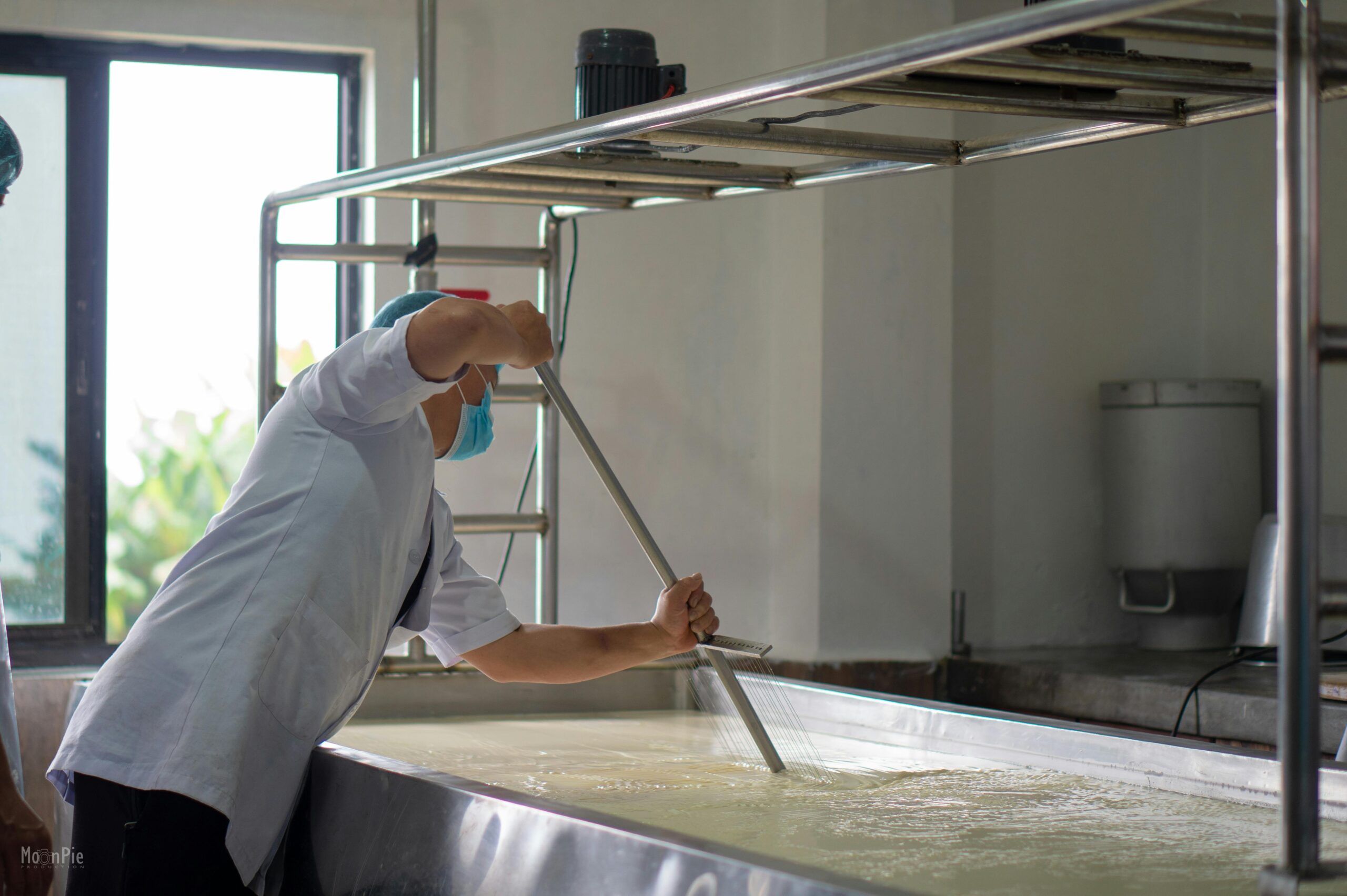
Swiss and Austrian cheesemakers in Alpine regions developed entirely different timing strategies. Cool mountain temperatures and specific bacterial cultures unique to high-altitude environments create conditions for extended aging periods. Some traditional cheeses require specific seasonal timing—made only when cows graze on spring mountain flowers or autumn grasses.
These cheesemakers read humidity levels in aging caves, monitor rind development, listen to sounds cheese makes during maturation, and even evaluate aroma intensity at different cave depths. This multisensory timing assessment developed over centuries produces consistently exceptional results.
🔬 When Ancient Wisdom Meets Modern Science
Contemporary fermentation science increasingly validates traditional timing methods while revealing the mechanisms behind ancestral observations. Research confirms that temperature fluctuations traditional fermenters allowed aren’t flaws but features that create flavor complexity impossible in temperature-controlled industrial settings.
Studies on traditional fermentation vessels reveal how material choices—ceramic crocks, wooden barrels, woven baskets, underground pits—influence timing and outcomes through gas exchange properties, thermal mass, and even beneficial microorganism populations residing in vessel pores.
The Microbiome Connection Nobody Knew About
Traditional fermenters didn’t know about lactobacillus, saccharomyces, or acetobacter species, yet they created perfect environments for these organisms. They understood that previous successful fermentations made subsequent batches more reliable—what we now recognize as building beneficial microbial populations in equipment and environment.
Japanese sake brewers cultivate toji (master brewers) through decades-long apprenticeships partly because human microbiomes influence fermentation outcomes. The toji’s hands, breath, and even presence in the brewery contribute beneficial organisms. This wasn’t superstition—it was practical microbiology before microscopes existed.
🌡️ Temperature: The Universal Timing Variable
Every fermentation tradition developed temperature management strategies appropriate to local conditions. These weren’t crude approximations—they were sophisticated systems producing remarkably consistent results.
Ethiopian injera makers adjust fermentation timing based on seasonal temperature variations, adding more or less starter culture and extending or shortening fermentation periods. The desired slight sourness and proper bubble structure require precise timing that changes throughout the year.
Russian kvass makers traditionally fermented bread-based beverages in specific vessels and locations chosen for thermal properties. Summer kvass fermented quickly for immediate refreshment. Winter kvass fermented slowly in warmer spots near stoves for deeper flavors.
Reading Temperature Without Thermometers
Traditional fermenters developed remarkable temperature sensitivity through practice. They could assess fermentation environment suitability by how spaces felt against skin, how vessels felt when touched, or even how quickly condensation formed on containers.
Some cultures used environmental indicators—when certain flowers bloomed, when specific insects appeared, when morning dew patterns changed—as signals for optimal fermentation timing. These biological indicators integrated multiple environmental factors into reliable timing systems.
🧂 Salt, Sugar, and the Preservation Paradox
Traditional fermentation relies heavily on salt and sugar for preservation and flavor development, but timing these additions requires cultural knowledge passed through generations. Too much salt stops fermentation entirely; too little allows spoilage. The balance shifts based on temperature, ingredient water content, and desired outcomes.
Mediterranean olive curing traditions demonstrate this sophistication. Different olive varieties harvested at specific ripeness stages undergo multi-week brining processes with precisely timed water changes and salt adjustments. The timing isn’t arbitrary—it’s calibrated to olive characteristics and environmental conditions.
The Sweet Science of Mead and Honey Fermentation
Honey fermentation represents one of humanity’s oldest fermentation practices, with traditions spanning from ancient Ethiopia to medieval Europe to pre-colonial Americas. The high sugar content creates unique timing challenges—too quick and flavors stay harsh, too slow and spoilage risks increase.
Traditional mead makers developed timing strategies based on honey source, water ratios, and seasonal temperatures. Some traditions called for specific moon phases, which modern research suggests correlates with atmospheric pressure changes affecting fermentation rates.
📚 Passing Down Timing Knowledge Across Generations
Fermentation timing wisdom traditionally transferred through apprenticeship and family teaching. This knowledge wasn’t written in recipes but embodied in practice—learning to recognize subtle signs through repeated observation under expert guidance.
Many traditional fermentation practices included timing markers embedded in daily or seasonal rhythms. “Ferment while you perform three other tasks” or “ready when the moon reaches full” provided practical timing frameworks adaptable to local conditions without requiring precise time measurements.
The Danger of Lost Knowledge
Industrialization and globalization threaten traditional fermentation timing knowledge. Standardized processes prioritize consistency and speed over quality and adaptability. Young generations increasingly disconnect from fermentation traditions as convenience foods dominate.
However, a global fermentation revival is occurring. Home fermenters, artisan producers, and cultural preservationists are documenting, practicing, and adapting traditional methods. This renaissance recognizes that ancestral timing wisdom offers valuable lessons for sustainable food production and nutrition.
🥖 Bread: The Daily Fermentation Teacher
Bread fermentation provides perhaps the most universal example of timing wisdom. Nearly every culture developed leavened bread traditions, each with distinct timing approaches reflecting local grains, climates, and tastes.
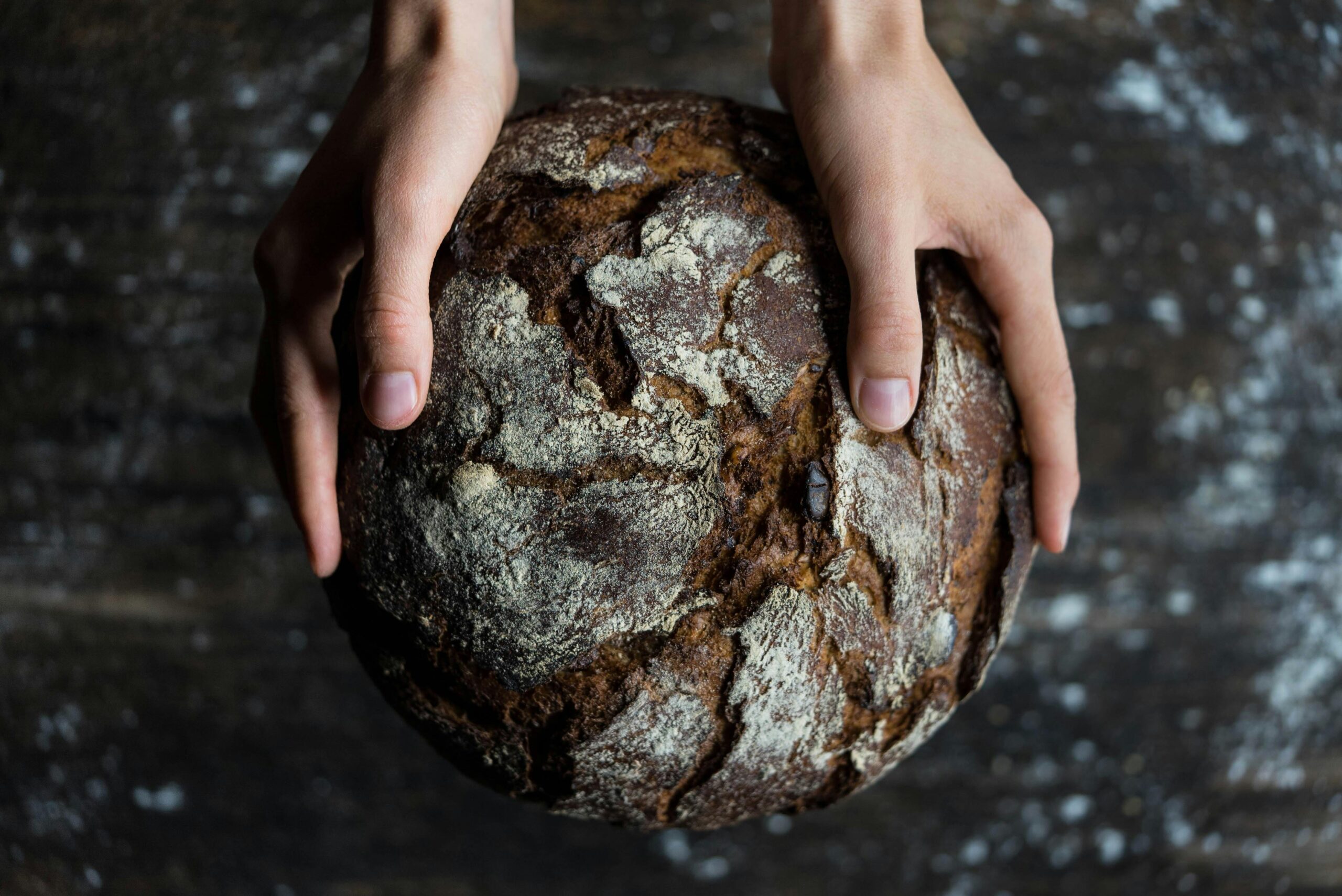
Sourdough traditions worldwide demonstrate remarkable timing sophistication. San Francisco sourdough differs from French levain, German sauerteig, or Italian biga not just in ingredients but in carefully calibrated timing that responds to flour characteristics, temperature fluctuations, and desired flavor profiles.
Traditional bakers didn’t measure fermentation time—they read dough development. They learned when dough reached proper extensibility, when bubbles achieved correct size and distribution, when surface tension indicated readiness. These assessments produce superior results compared to rigid timing schedules.
🍷 Beverages: Liquid Timing Complexity
Fermented beverages represent some of humanity’s most sophisticated timing achievements. Wine, beer, sake, kombucha, kefir, and countless regional specialties each require precise timing for optimal outcomes.
Traditional wine makers determine harvest timing by tasting grapes, assessing seed maturity, observing bird behavior, and monitoring weather patterns. Fermentation timing decisions—when to press, when to rack, when to bottle—rely on sensory evaluation and inherited wisdom about how specific varieties behave under particular conditions.
Beer Timing Across Cultures
Belgian Trappist monks developed extraordinarily precise beer fermentation timing through centuries of practice. Different beer styles require different timing approaches—some ferment quickly at warm temperatures, others slowly in cool cellars. Timing decisions for dry-hopping, bottle conditioning, and aging create the complex flavors these beers are famous for.
African traditional beer makers in various regions developed quick-fermentation techniques for low-alcohol, nutritious beverages consumed fresh. Timing knowledge here focuses on achieving safe fermentation that outcompetes spoilage organisms while maintaining nutritional value and pleasant flavors.
🌱 Fermentation Timing in the Modern Kitchen
Contemporary home fermenters can learn from traditional timing wisdom while adapting to modern circumstances. The key is developing observational skills rather than relying solely on recipe timelines.
Start by maintaining fermentation journals documenting environmental conditions, sensory observations, and outcomes. Over time, patterns emerge revealing how your specific environment affects timing. This personalized knowledge proves more valuable than generic instructions.
Tools That Enhance Traditional Wisdom
Modern tools can support rather than replace traditional timing assessment. Thermometers, pH meters, and hygrometers provide objective data that complements sensory evaluation. However, these tools work best when users understand the underlying principles traditional fermenters mastered through observation.
Digital resources, online communities, and video documentation now preserve and share traditional fermentation knowledge globally. This democratization allows anyone to access timing wisdom that was once closely held within families or regions.
🌿 Respecting the Rhythm of Living Processes
Perhaps the deepest lesson from traditional fermentation timing is patience and respect for natural processes. Industrial food production prioritizes speed and control, often at quality’s expense. Traditional fermentation wisdom recognizes that living organisms follow their own timelines that vary with conditions.
This philosophy extends beyond fermentation to broader life lessons. Understanding that optimal outcomes often require patience, observation, and adaptation to circumstances provides valuable perspective in our fast-paced world.
🔮 The Future of Fermentation Timing
As climate change alters environmental conditions worldwide, traditional fermentation timing knowledge becomes increasingly valuable. These adaptive approaches developed over generations offer frameworks for responding to changing conditions rather than rigid protocols that fail when circumstances shift.
The intersection of traditional wisdom and modern technology promises exciting developments. Sensors that monitor fermentation conditions can help beginners develop observational skills faster. Data analysis can reveal patterns in traditional timing methods, validating and refining ancestral practices.
However, the human element remains essential. Fermentation timing ultimately requires judgment, intuition, and sensory skills that technology cannot fully replace. The most successful future fermenters will combine technological tools with traditional observational wisdom.
✨ Embracing Fermentation as Cultural Heritage
Understanding fermentation timing as cultural wisdom rather than mere technique enriches the practice. Each jar of sauerkraut, batch of yogurt, or loaf of sourdough connects us to countless ancestors who developed and refined these processes.
This perspective transforms fermentation from a trendy hobby into meaningful cultural practice. It encourages us to research our own heritage fermentation traditions, learn from other cultures respectfully, and contribute our own observations to this evolving body of knowledge.
The perfect timing for fermentation isn’t found in rigid recipes or precise measurements—it’s discovered through patient observation, accumulated experience, and respect for the wisdom encoded in cultural traditions. By learning to read the subtle signals that living fermentation provides, we join an ancient lineage of humans working in partnership with invisible organisms to transform food, preserve abundance, and create flavors that nourish both body and spirit.
Whether you’re making your first jar of pickles or refining decades of fermentation practice, remember that timing wisdom comes from attention, patience, and willingness to learn from both success and failure. Trust your senses, observe carefully, keep records, and gradually develop the intuitive timing sense that traditional fermenters have cultivated for thousands of years. The living organisms in your fermentation vessels are ready to teach—we need only learn their language. 🌾