
Cold fermentation is revolutionizing how we preserve food, unlocking extraordinary flavor depth while extending shelf life naturally through controlled bacterial processes. ❄️
For centuries, humans have relied on fermentation to preserve food, but modern cold fermentation techniques have elevated this ancient practice to an art form. By slowing down the fermentation process through refrigeration, we can achieve remarkable flavor complexity, enhanced nutritional value, and significantly longer storage periods for our preserved goods.
Whether you’re a home cook looking to extend the life of your homemade sauerkraut, a professional baker seeking that perfect sourdough tang, or a culinary enthusiast exploring the world of kimchi and pickles, understanding cold fermentation opens up a world of possibilities for creating perfectly preserved goods that taste better and last longer.
🧊 The Science Behind Cold Fermentation Magic
Cold fermentation operates on a simple yet powerful principle: temperature control dramatically influences microbial activity. When we ferment foods at refrigerator temperatures (typically between 35°F and 45°F or 2°C to 7°C), we slow down the metabolic processes of beneficial bacteria without stopping them entirely.
This controlled environment creates several advantages. The beneficial lactobacillus bacteria continue their work converting sugars into lactic acid, but at a much slower pace. This gradual process allows for more complex flavor development, as secondary metabolites and aromatic compounds have time to develop and mature.
The lower temperature also inhibits the growth of spoilage organisms and pathogenic bacteria, which typically thrive at warmer temperatures. This natural safety mechanism is why cold-fermented products can maintain their quality for extended periods without compromising food safety.
Temperature’s Role in Flavor Development
The relationship between temperature and flavor in fermentation cannot be overstated. Warm fermentation produces quick results but often leads to sharp, one-dimensional flavors. Cold fermentation, by contrast, allows for layered complexity.
During extended cold fermentation, enzymes have more time to break down proteins and starches into flavorful amino acids and sugars. This enzymatic activity contributes to umami notes, sweetness, and depth that simply cannot be rushed. Professional bakers have long known this secret, using cold-fermented doughs to achieve superior crust color, texture, and that coveted “bakery flavor.”
🥖 Bread and Baking: Where Cold Fermentation Shines
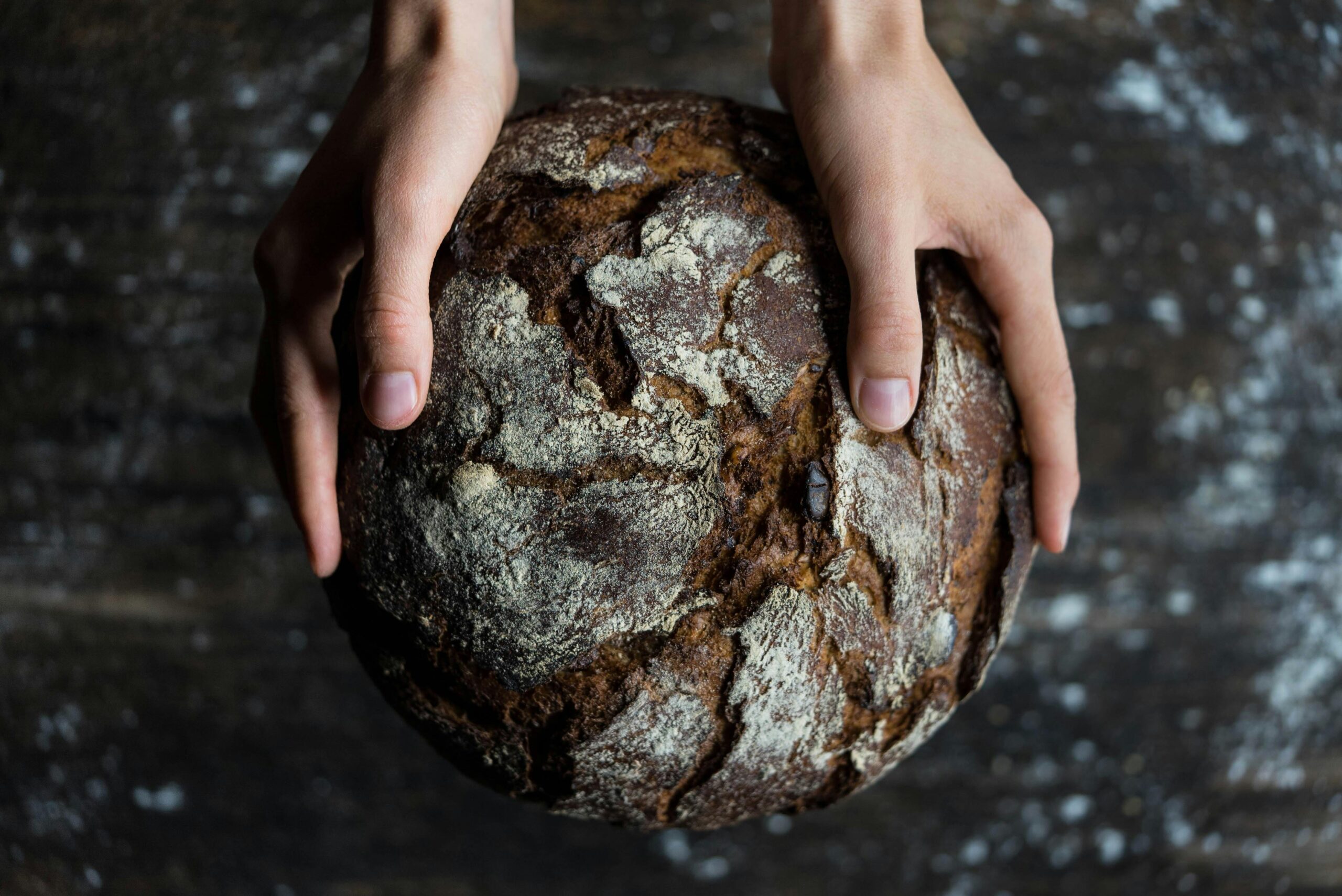
The bread-baking world has perhaps most famously embraced cold fermentation, particularly for sourdough and artisan loaves. When dough ferments slowly in the refrigerator overnight or even for several days, the results are transformative.
The extended fermentation period allows for complete gluten development, creating a stronger, more elastic dough structure. This translates to better oven spring, more open crumb structure, and a crust that shatters satisfyingly with each bite. The flavor profile becomes complex and nuanced, with tangy, nutty, and slightly sweet notes that warm fermentation simply cannot replicate.
Practical Benefits for Home Bakers
Beyond flavor, cold fermentation offers tremendous convenience for home bakers. You can prepare your dough in the evening, let it ferment overnight in the refrigerator, and bake fresh bread the next morning with minimal hands-on time. This flexibility makes artisan bread-making accessible even for those with busy schedules.
The slower fermentation also makes the dough more forgiving. Unlike quickly fermented doughs that can over-proof in minutes, cold-fermented doughs have a wider window of optimal baking time. You can remove them from the refrigerator when convenient, allowing them to come to room temperature before baking.
🥒 Vegetables: Preservation Perfection Through Cold Processing
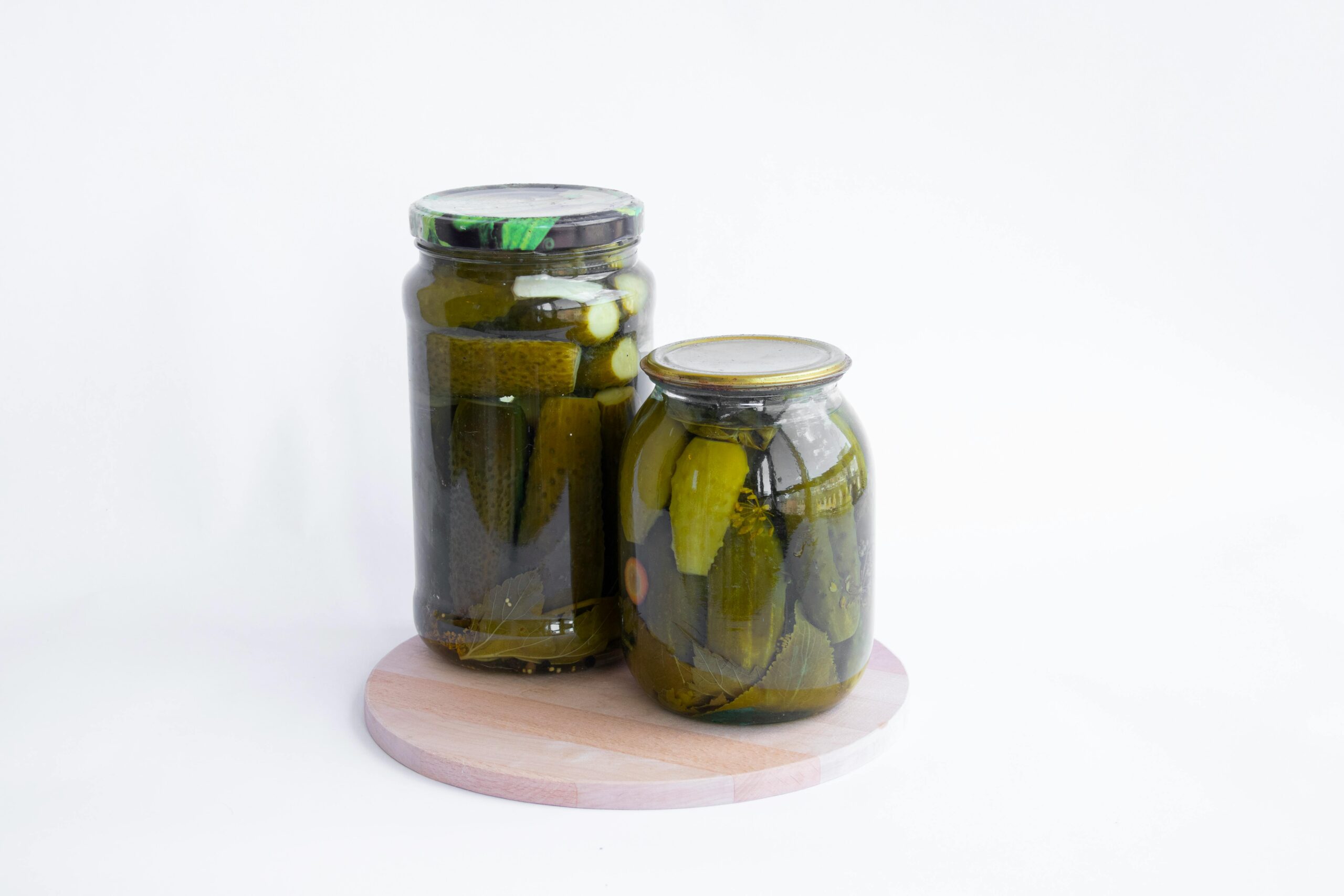
Fermented vegetables represent one of the most nutritious and flavorful applications of cold fermentation. Kimchi, sauerkraut, pickles, and countless other vegetables benefit enormously from cold fermentation techniques.
When vegetables ferment at cooler temperatures, they retain more of their original texture and crunch. The cell walls break down more gradually, preventing the mushiness that can occur with warm fermentation. The colors remain vibrant, and the vegetables maintain their nutritional density throughout the process.
Extended Shelf Life Without Compromising Quality
One of the most significant advantages of cold-fermented vegetables is their remarkable shelf stability. A properly fermented and stored jar of sauerkraut can maintain peak quality for six months or more in the refrigerator. Kimchi, when kept at consistent cold temperatures, can develop increasingly complex flavors over many months without spoiling.
The key lies in maintaining consistent refrigeration after the initial fermentation phase. The cold temperature keeps the beneficial bacteria in a state of slow activity, continuing to produce protective lactic acid while preventing unwanted microbial growth.
🍷 Beverages: From Kombucha to Cold-Brew Coffee
The beverage world has discovered remarkable benefits from cold fermentation processes. Kombucha makers often employ a secondary cold fermentation phase to develop carbonation and refine flavors. This cold conditioning period allows the tea-based ferment to mellow, reducing harshness while building complexity.
Cold-brew coffee, while not a fermentation in the traditional sense, employs similar principles of extended cold extraction. The long steeping time at cold temperatures produces a smoother, less acidic beverage with different flavor characteristics than hot-brewed coffee. Some innovative producers are even exploring actual fermentation of coffee grounds at cold temperatures for unique flavor profiles.
Craft Brewing and Cold Fermentation
Professional brewers have long used cold fermentation (lagering) to create clean, crisp beers. The term “lager” itself comes from the German word for storage, referring to the extended cold storage period these beers undergo. This process can take weeks or months, but the result is a refined, balanced beverage with exceptional clarity and smoothness.
📊 Comparing Storage Times: Cold vs. Warm Fermentation
| Product Type | Warm Fermentation Storage | Cold Fermentation Storage | Quality Improvement |
|---|---|---|---|
| Sauerkraut | 2-3 months | 6-8 months | Better crunch, complex flavor |
| Sourdough Bread Dough | Same day use | 3-5 days | Enhanced flavor, better texture |
| Kimchi | 1-2 months | 4-6 months | Sustained crunch, evolving taste |
| Pickled Vegetables | 2-3 months | 8-12 months | Maintained texture, deeper flavor |
| Yogurt | 2-3 weeks | 4-6 weeks | Creamier texture, less acidity |
🌡️ Mastering Temperature Control for Optimal Results
Successful cold fermentation requires attention to temperature consistency. Fluctuating temperatures can stress beneficial bacteria and create conditions favorable for spoilage organisms. Investing in a reliable refrigerator thermometer ensures your fermentation environment remains stable.
Most refrigerators maintain temperatures around 37°F to 40°F (3°C to 4°C), which works well for most cold fermentation applications. However, some ferments benefit from slightly warmer cold storage, around 45°F to 50°F (7°C to 10°C). A wine cooler or dedicated fermentation refrigerator with adjustable temperature settings can provide this flexibility.
Creating the Ideal Fermentation Environment
Beyond temperature, other environmental factors influence cold fermentation success. Proper containers are essential—glass jars with airlocks work wonderfully for vegetables, while covered bowls or containers suit dough fermentation. The key is allowing carbon dioxide to escape while preventing oxygen exposure and contamination.
Humidity levels also matter, particularly for products that ferment uncovered or with minimal covering. Too much moisture can encourage mold growth, while too little can cause surface drying. Most standard refrigerators provide adequate humidity for fermentation, but monitoring your products and adjusting as needed ensures the best outcomes.
💡 Practical Tips for Long-Term Cold Fermentation Success
Achieving consistently excellent results with cold fermentation becomes easier when you follow established best practices. These guidelines help ensure both safety and quality throughout the extended storage period.
- Start with quality ingredients: Fresh, high-quality vegetables, grains, and other raw materials contain more beneficial bacteria and enzymes, leading to better fermentation outcomes.
- Maintain proper salt ratios: For vegetable ferments, using 2-3% salt by weight creates an environment favoring lactobacillus while inhibiting unwanted organisms.
- Keep everything clean: While fermentation isn’t sterile, starting with clean equipment and ingredients reduces competition from unwanted microbes.
- Burp your jars regularly: During active fermentation, even in cold storage, gases build up. Releasing pressure every few days prevents jar breakage and maintains quality.
- Label and date everything: With extended storage times, tracking fermentation start dates helps you monitor progress and consume products at peak quality.
- Taste and monitor: Regular tasting allows you to track flavor development and catch any issues before they become problems.
🔬 Nutritional Advantages of Cold Fermentation
Beyond flavor and storage benefits, cold fermentation offers significant nutritional advantages. The slower process allows for more complete breakdown of anti-nutrients like phytic acid in grains and oxalates in vegetables, making minerals more bioavailable.
The extended fermentation time also promotes greater proliferation of beneficial probiotic bacteria. These microorganisms support digestive health, boost immune function, and may even influence mood and mental health through the gut-brain axis. Cold-fermented foods typically contain higher concentrations of these beneficial bacteria compared to their warm-fermented counterparts.
Vitamin and Enzyme Production
Cold fermentation encourages the production of certain vitamins, particularly B vitamins and vitamin K2. The bacterial metabolism produces these nutrients as byproducts of their life processes. Additionally, the cooler temperatures preserve heat-sensitive enzymes that aid digestion and nutrient absorption.
Research suggests that cold-fermented foods may retain more vitamin C than warm-fermented versions, as the lower temperatures reduce oxidation and degradation of this sensitive nutrient. For vegetables like cabbage in sauerkraut, this means preserving more of the original nutritional value while adding fermentation-derived benefits.
🎯 Troubleshooting Common Cold Fermentation Challenges
Even experienced fermenters encounter occasional issues. Understanding common problems and their solutions helps maintain consistent quality and prevents waste.
Slow or Stalled Fermentation
Sometimes cold fermentation proceeds too slowly or appears to stall completely. This usually indicates insufficient active bacteria or too-cold temperatures. The solution often involves bringing the ferment to room temperature for 12-24 hours to jumpstart bacterial activity, then returning it to cold storage once activity is visible.
Surface Mold or Kahm Yeast
White film on the surface of ferments is typically harmless kahm yeast, though it can impart off-flavors if left too long. Simply skim it off and ensure your ferment remains submerged under brine. True mold (fuzzy, colored growth) requires discarding the affected portion or, if extensive, the entire batch.
Off-Flavors or Odors
Unpleasant smells or tastes can result from contamination, incorrect salt ratios, or temperature fluctuations. Prevention involves maintaining proper salt concentrations, consistent temperatures, and clean equipment. If flavors are merely stronger than expected but not truly offensive, extended cold storage often mellows them.
🌍 Cultural Traditions and Modern Applications
Cold fermentation isn’t entirely new—many traditional fermentation practices from cold-climate regions naturally employed lower temperatures. Korean kimchi makers traditionally buried their fermentation vessels underground during winter, achieving natural cold fermentation. Northern European sauerkraut production similarly took advantage of cool cellar temperatures.
Modern refrigeration technology has democratized these techniques, making consistent cold fermentation accessible regardless of climate or season. Home fermenters can now replicate traditional methods with precision, while also experimenting with new applications that traditional practitioners never imagined.
🚀 Taking Your Cold Fermentation Practice Further
As you develop confidence with basic cold fermentation techniques, numerous opportunities for exploration emerge. Experimenting with different vegetable combinations, creating custom spice blends for your ferments, or trying your hand at cold-fermented hot sauces can expand your repertoire.
Consider dedicating specific refrigerator space or even a secondary refrigerator to fermentation projects. This separation prevents cross-contamination of flavors and gives you more flexibility in managing temperature and storage conditions for different products simultaneously.
Building a Fermentation Rotation
Establishing a regular fermentation schedule ensures a constant supply of probiotic-rich foods. Start a new batch of sauerkraut every month, maintain a perpetual sourdough starter with weekly cold-storage feedings, or rotate through seasonal vegetable ferments as produce availability changes.
This approach distributes the workload across time while guaranteeing you always have fermented foods at various stages of maturity, allowing you to enjoy them at whatever point in their flavor development you prefer.
✨ The Future of Food Preservation Through Cold Fermentation
As awareness grows about gut health, sustainable food practices, and authentic flavors, cold fermentation is experiencing a renaissance. Professional chefs increasingly feature house-fermented ingredients as signature elements of their cuisine. Home cooks discover that cold fermentation offers an accessible path to gourmet-quality preserved foods.
The technique aligns perfectly with modern concerns about food waste and sustainability. Fermenting surplus seasonal produce at cold temperatures extends its useful life by months, reducing waste while capturing peak-season flavors for year-round enjoyment. This practice represents a return to traditional food wisdom enhanced by modern understanding and technology.
Cold fermentation empowers anyone to create exceptional preserved foods with complex flavors, enhanced nutrition, and impressive shelf life. The combination of ancient preservation wisdom and modern temperature control technology offers the best of both worlds—time-tested reliability with consistent, predictable results.
Whether you’re just beginning your fermentation journey or looking to refine your existing practice, embracing cold fermentation techniques will elevate your results. The patience required for these slower processes is rewarded with deeper flavors, better textures, and preserved goods that remain at peak quality for remarkably long periods. Your taste buds, your gut microbiome, and your food budget will all thank you for making cold fermentation part of your culinary practice. 🌟