
The ancient Romans weren’t just empire builders—they were environmental innovators whose geothermal technologies offer surprising blueprints for our sustainable future. 🌍
As modern civilization grapples with climate change, energy crises, and the urgent need for sustainable solutions, we’re discovering that some of the most ingenious answers lie buried in history. The Roman Empire’s sophisticated understanding and utilization of geothermal energy stands as a testament to ancient ingenuity that remarkably aligns with today’s green technology aspirations. From their elaborate bathhouse systems to urban heating networks, the Romans demonstrated a mastery of renewable energy that predated our contemporary sustainability movement by two millennia.
This exploration into Roman geothermal innovation reveals not just historical curiosity, but practical wisdom that could reshape how we approach modern energy challenges. Their methods, refined over centuries, offer proven concepts that today’s engineers and environmental scientists are rediscovering with renewed appreciation.
🏛️ The Thermal Genius of Ancient Rome
The Romans possessed an extraordinary understanding of geothermal phenomena that went far beyond simple hot spring appreciation. Their civilization built an entire wellness and urban infrastructure around harnessing Earth’s natural heat—a renewable resource that required no fuel, produced no smoke, and operated continuously without human intervention.
Geothermal activity across the Italian peninsula provided Romans with abundant natural laboratories. From the volcanic fields of Campi Flegrei near Naples to the hot springs of Aquae Sulis in Britain, Roman engineers studied thermal patterns, water temperatures, and underground heat flows with remarkable precision. This empirical knowledge formed the foundation for their technological achievements.
What distinguished Roman geothermal mastery wasn’t just using hot springs for bathing—numerous ancient cultures did that—but their systematic engineering approach to capturing, distributing, and maximizing thermal energy efficiency. They transformed a natural phenomenon into a scalable urban utility that served millions across their empire.
Hypocaust Systems: Ancient Climate Control
The hypocaust represents perhaps the most sophisticated example of Roman thermal engineering. This underfloor heating system channeled hot air and gases from a furnace through hollow spaces beneath floors and within walls, creating evenly distributed warmth throughout buildings. The genius lay in its efficiency and adaptability.
Roman engineers recognized that heat rises and designed their hypocausts to exploit natural convection currents. Floors were elevated on small pillars called pilae, creating an air chamber where combustion gases circulated before escaping through wall cavities. This design maximized heat transfer while minimizing fuel consumption—a fundamental principle of thermal efficiency that modern heating systems still employ.
In locations with geothermal access, Romans eliminated furnaces entirely, piping naturally heated water or steam through their hypocaust networks. This created truly renewable heating systems that operated without wood or charcoal, preserving forests and reducing air pollution in densely populated urban areas.
Water Management and Thermal Distribution Networks
Roman aqueducts are famous for supplying cities with fresh water, but their thermal water distribution networks remain less celebrated yet equally impressive. These systems transported heated water across considerable distances, maintaining temperature through ingenious insulation techniques and gradient management.
At Pompeii, archaeological evidence reveals complex piping systems that delivered hot water to multiple bathhouses and private homes simultaneously. The Romans used lead and terracotta pipes, often insulating them with materials like cork, wool, or clay wrapping to minimize heat loss during transport—an ancient version of modern district heating systems.
The thermae, or public bathhouses, showcased the pinnacle of Roman geothermal architecture. These massive complexes offered rooms of varying temperatures—frigidarium (cold), tepidarium (warm), and caldarium (hot)—all powered by integrated heating systems. The Baths of Caracalla in Rome, for instance, could accommodate over 1,600 bathers simultaneously, requiring enormous thermal energy that geothermal sources helped provide sustainably.
Resource Conservation Through Design
Modern sustainability emphasizes resource efficiency, and Roman engineers practiced this principle extensively. Their bathhouse designs incorporated heat recovery systems where wastewater from hot pools preheated incoming cold water—an early example of heat exchange technology that reduces overall energy demand.
The Romans also understood thermal mass principles. They constructed bathhouse walls and floors from materials like concrete and stone that absorbed heat slowly and released it gradually, stabilizing temperatures and reducing the need for constant heating. This passive thermal regulation decreased fuel requirements significantly.
🌋 Volcanic Power: Rome’s Natural Energy Advantage
The Italian peninsula’s volcanic geology provided Romans with exceptional geothermal resources. The Alban Hills, Phlegraean Fields, and numerous hot springs throughout the empire offered accessible thermal energy that Romans learned to harness systematically.
Near modern Naples, the ancient settlement of Baiae became renowned as a geothermal spa destination where wealthy Romans enjoyed naturally heated seawater pools. Engineers there developed techniques for managing sulfurous gases, controlling water temperatures through mixing systems, and even creating steam rooms using volcanic vents—technologies that contemporary geothermal facilities still employ.
Roman agricultural innovations also leveraged geothermal heat. Evidence suggests they used naturally warm soil areas for extending growing seasons and cultivating temperature-sensitive crops. This geothermal agriculture concept aligns perfectly with modern controlled-environment agriculture and greenhouse heating methods that seek renewable energy alternatives.
Engineering Principles Still Relevant Today
When we examine Roman geothermal achievements through a modern engineering lens, several principles emerge that directly translate to contemporary sustainability challenges. These aren’t merely historical curiosities but actionable concepts for today’s renewable energy transition.
Decentralized Energy Systems
Romans didn’t build massive centralized power plants. Instead, they created distributed systems where individual buildings or complexes utilized local geothermal resources. This decentralized approach reduced transmission losses, increased resilience, and adapted to local geological conditions—exactly what modern microgrids and distributed renewable energy systems aim to achieve.
Passive System Design
Many Roman geothermal applications required minimal active pumping or mechanical intervention. They used gravity, natural convection, and thermosiphon effects to circulate heated fluids, reducing operational complexity and energy inputs. Today’s passive solar and geothermal systems embrace these same principles for maximum efficiency.
Material Durability and Longevity
Roman concrete, particularly their hydraulic concrete used in thermal applications, has survived millennia—often in better condition than modern concrete after just decades. Their material science, which incorporated volcanic ash (pozzolana) for enhanced durability and chemical resistance, offers lessons for developing longer-lasting sustainable infrastructure that doesn’t require frequent replacement.
Modern Applications of Ancient Wisdom 💡
Contemporary engineers and sustainability experts are increasingly looking backward for forward-thinking solutions. Several modern projects directly draw inspiration from Roman geothermal innovations, adapting ancient principles to 21st-century needs.
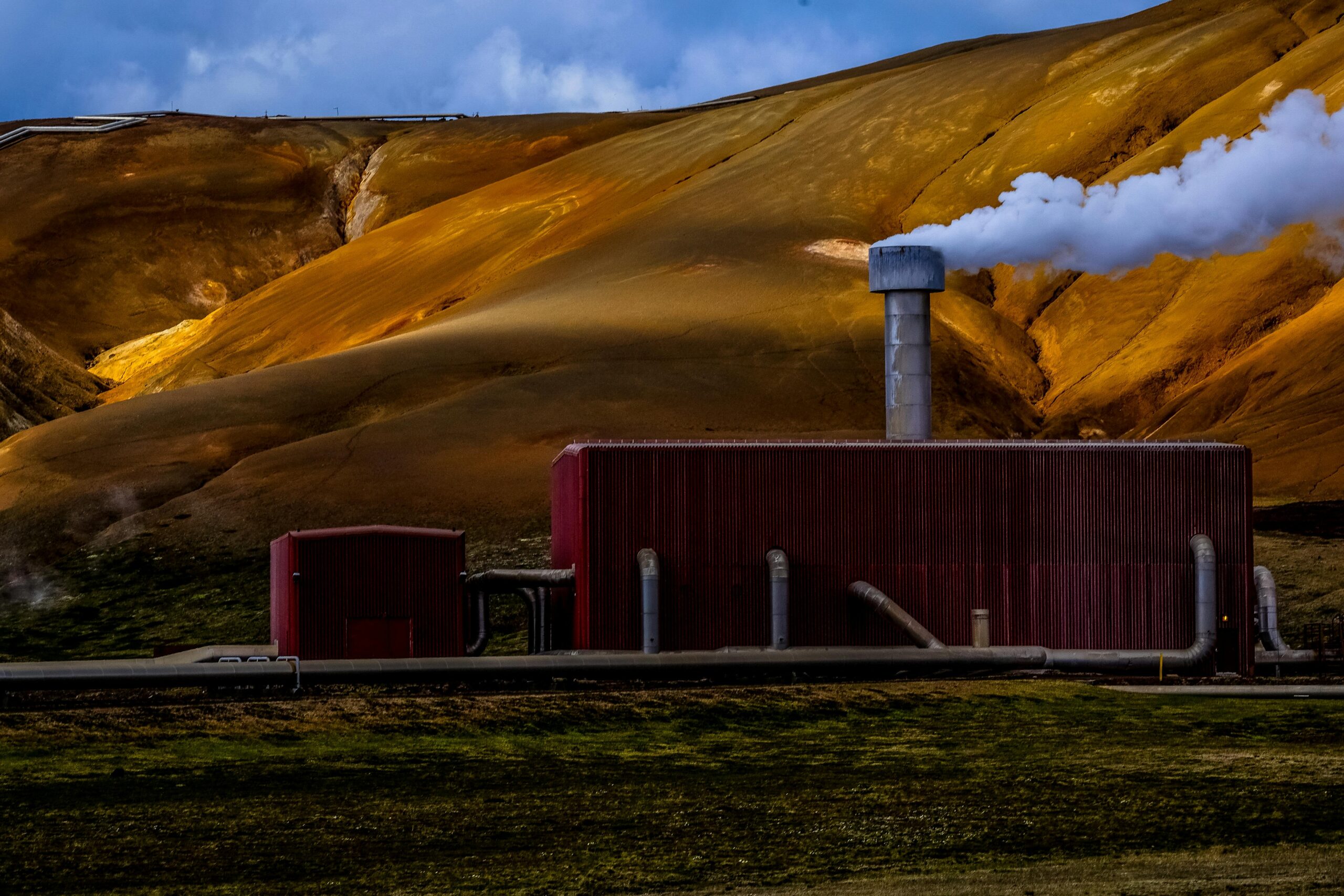
District heating systems in Reykjavik, Iceland, and Boise, Idaho, utilize geothermal energy to heat thousands of buildings through underground pipe networks—conceptually identical to Roman thermal water distribution. These cities demonstrate that ancient Roman approaches scale effectively with modern materials and management systems.
Geothermal heat pumps, which extract or deposit heat in the earth’s subsurface, operate on the same thermal exchange principles Romans exploited in their bathhouse designs. Ground-source heat pumps now represent one of the most efficient heating and cooling technologies available, reducing building energy consumption by 30-60% compared to conventional systems.
Archaeological Sites as Living Laboratories
Researchers studying intact Roman geothermal installations gain valuable insights into long-term system performance and design optimization. The thermal baths at Bath, England, have operated continuously using the same hot springs for over 2,000 years, providing unparalleled data on geothermal resource sustainability and management.
These archaeological sites reveal how Romans managed chemical scaling, mineral deposition, and water chemistry challenges—issues that continue to affect modern geothermal installations. Their empirically developed solutions often prove remarkably effective when applied to contemporary systems.
Bridging Ancient Practice and Climate Action 🌱
The climate crisis demands rapid deployment of renewable energy technologies, and geothermal energy represents an underutilized resource with enormous potential. Unlike solar and wind, geothermal provides consistent baseload power and heating without weather-dependent intermittency—advantages Romans recognized and exploited.
Global geothermal capacity currently generates about 15 gigawatts of electricity and significantly more thermal energy for direct heating applications. However, this represents less than 1% of global electricity generation, despite geothermal resources being available on every continent. Expanding geothermal development requires overcoming economic, technical, and awareness barriers—challenges where historical precedent offers valuable guidance.
Roman success with geothermal technology stemmed partly from their long-term infrastructure thinking. They built systems designed to function for generations, investing upfront in quality materials and thoughtful design. Modern sustainability requires similar intergenerational perspective, prioritizing durability and lifecycle efficiency over short-term cost minimization.
Policy Lessons from Imperial Infrastructure
Roman geothermal development benefited from state support and public investment in infrastructure. Emperors and local governments funded bathhouses, aqueducts, and heating systems as public goods that enhanced urban livability and public health. This contrasts with today’s often fragmented approach to renewable energy deployment.
Contemporary policymakers can learn from Roman infrastructure priorities. Treating geothermal systems as essential public utilities rather than optional amenities could accelerate adoption. Public-private partnerships, inspired by Roman models where wealthy patrons funded public bathhouses, might effectively finance modern geothermal district heating networks.
Challenges Romans Faced—And Overcame
Roman geothermal innovation wasn’t without obstacles. Engineers confronted technical challenges including pipe corrosion, mineral scaling, structural stresses from thermal expansion, and managing toxic gases at some volcanic sites. Their solutions demonstrate problem-solving approaches applicable today.
For corrosion resistance, Romans experimented with various pipe materials and protective coatings, eventually developing lead alloys and specialized ceramics that extended system lifespans. Modern materials science benefits from understanding these ancient formulations, particularly for developing cost-effective alternatives to expensive corrosion-resistant alloys.
Mineral scaling from dissolved minerals precipitating in pipes plagued Roman systems as it does modern geothermal installations. Evidence suggests Romans used periodic acid cleaning, mechanical scraping, and selective piping routes that minimized scaling formation. These practical approaches complement today’s chemical treatments and advanced monitoring systems.
🔄 Creating Sustainable Circular Systems
Romans exemplified circular economy principles in their geothermal operations. Heated water served multiple purposes before disposal—bathing, washing, and sometimes even aquaculture. After use, mineral-rich thermal water fertilized agricultural fields or was diverted to wetlands where it supported ecosystems.
This multi-use cascade approach maximized the value extracted from thermal resources while minimizing waste. Modern geothermal facilities increasingly adopt similar strategies, using waste heat for greenhouse agriculture, fish farming, or industrial processes after primary power generation.
The Roman approach to maintenance and system longevity also reflects circular thinking. Rather than disposing of failed components, they repaired, repurposed, and rebuilt infrastructure continuously. Archaeological sites show multiple renovation phases where Romans updated systems while maintaining core functionality—an adaptive management approach that sustainable infrastructure increasingly requires.
Rediscovering Lost Knowledge for Future Innovation
Much Roman geothermal knowledge was lost during the medieval period as centralized infrastructure collapsed and technological continuity broke down. Rediscovering these ancient practices offers opportunities to leapfrog certain developmental stages in renewable energy deployment, particularly in regions with limited technological infrastructure.
Developing nations with geothermal resources could implement Roman-inspired direct-use systems that require less complex technology than electricity generation but still provide significant quality-of-life improvements. Low-temperature geothermal applications for space heating, food processing, and industrial needs offer accessible entry points for communities beginning their renewable energy transitions.
Educational initiatives that incorporate historical technological achievements can inspire new generations of engineers and environmental scientists. Understanding that sustainable solutions have ancient precedents makes renewable energy feel less like untested experimentation and more like reclaiming proven wisdom adapted for modern contexts.
The Path Forward: Ancient Blueprints for Modern Solutions ⚡
As global civilization confronts existential climate challenges, the Roman example demonstrates that sophisticated renewable energy systems aren’t futuristic fantasies but historical realities. Their geothermal mastery proves that societies can build comprehensive sustainable infrastructure that functions reliably across centuries while enhancing human wellbeing.
Modern technology amplifies what Romans accomplished with basic tools and empirical observation. Today’s advanced drilling techniques, materials science, computer modeling, and monitoring systems enable us to implement Roman-inspired designs more efficiently and at larger scales. Combining ancient wisdom with contemporary innovation creates synergies that neither approach achieves alone.
The urgency of climate action requires embracing all available solutions, including those developed millennia ago. Geothermal energy, proven sustainable by Roman experience, deserves greater investment and policy support as part of diversified renewable energy portfolios. District heating networks, building-integrated thermal systems, and agricultural applications all offer immediate deployment opportunities following Roman precedents.
Ultimately, Roman geothermal achievements remind us that sustainability isn’t about returning to primitive conditions but about intelligently applying timeless principles with appropriate technologies. The Romans built an empire partly on renewable energy—a feat worth emulating as we build our sustainable future. Their legacy isn’t just monuments and roads, but a demonstrated pathway toward harmonizing human civilization with Earth’s natural energy systems, a lesson more relevant now than ever before. 🏛️