
The ancient Romans transformed bathing into a sophisticated art, pioneering geothermal engineering that would influence architecture for millennia to come.
🏛️ The Roman Bath: More Than Just a Place to Get Clean
When we think of ancient Rome, images of gladiators, aqueducts, and marble columns typically come to mind. Yet beneath the grandeur of these architectural marvels lay an innovation that speaks volumes about Roman ingenuity: the hypocaust system. This revolutionary heating mechanism transformed public bathing from a simple act of hygiene into a luxurious social experience that defined Roman culture.
Roman baths, or thermae, were not merely facilities for washing. They served as community centers, political meeting grounds, and showcases of imperial wealth and technological prowess. At the heart of these magnificent complexes was a heating system so advanced that it wouldn’t be matched in efficiency until the industrial revolution, nearly fifteen centuries later.
The Hypocaust System: Engineering Brilliance Beneath Your Feet
The term “hypocaust” derives from the Greek words “hypo” (under) and “kaustos” (burnt), literally meaning “heated from below.” This underfloor heating system represented a quantum leap in climate control technology, allowing Romans to maintain comfortable temperatures in vast bathing complexes regardless of external weather conditions.
The basic principle was elegantly simple yet remarkably effective. A furnace, typically located outside the bathing area, burned wood or charcoal continuously. Hot air and smoke from this furnace traveled through a raised floor supported by pillars called pilae. These brick or stone columns, standing approximately two to three feet tall, created a crawl space beneath the floor where heat could circulate freely.
Layered Sophistication in Construction
The floor construction itself demonstrated remarkable engineering sophistication. The lowest layer consisted of large stone slabs laid directly on the pilae. Above this came a layer of concrete made from volcanic ash, lime, and aggregate—a mixture that provided both insulation and structural integrity. The uppermost layer featured decorative tiles or marble, chosen not just for aesthetics but also for their heat retention properties.
Hot gases didn’t simply dissipate after warming the floors. Roman engineers designed hollow spaces within the walls, created by installing rectangular clay tubes called tubuli. These channels allowed hot air to rise vertically through the walls before exiting through vents in the roof, maximizing heat distribution and creating a comprehensive radiant heating system.
🔥 The Genius of Geothermal Heat Distribution
While not geothermal in the modern sense of tapping earth’s internal heat, the Roman system achieved something arguably more impressive: efficient heat distribution using available technology. The hypocaust created a controlled microclimate that mimicked the consistent warmth of natural hot springs—locations the Romans also exploited when available.
In regions blessed with volcanic activity, such as Pompeii and Herculaneum near Mount Vesuvius, or Bath in Britain, Romans combined their hypocaust technology with naturally heated water. This hybrid approach maximized energy efficiency while reducing fuel consumption—a concern even in ancient times when wood resources near major cities became increasingly scarce.
Temperature Zoning: Ancient Climate Control
Roman bath complexes typically featured three main rooms with progressively increasing temperatures, demonstrating sophisticated understanding of thermal therapy and physiological responses to heat:
- Frigidarium: The cold room, often unheated or with minimal heating, featuring cold plunge pools
- Tepidarium: The warm room with moderate heating, serving as a transition space
- Caldarium: The hot room, positioned closest to the furnace with maximum heating
This graduated temperature system wasn’t arbitrary. Romans understood that sudden temperature changes could shock the body, while gradual warming prepared the skin and muscles for maximum therapeutic benefit. The tepidarium served as a crucial buffer, allowing bathers to acclimate before entering the intensely heated caldarium.
Engineering Challenges and Innovative Solutions
Creating an effective hypocaust system required solving numerous technical challenges. Weight distribution stood paramount among these concerns. A room filled with water, bathers, and architectural elements could weigh hundreds of tons. The pilae needed sufficient strength to support this load while maintaining adequate spacing for air circulation.
Roman engineers developed standardized dimensions for these supports, typically spacing them at intervals of approximately two feet in both directions. This created a grid pattern that distributed weight evenly while maximizing the surface area available for heat transfer. The pillars themselves were constructed from brick or stone, materials that could withstand both physical stress and repeated heating cycles without degradation.
Moisture Management and Ventilation
Moisture posed another significant challenge. Bath environments generated enormous amounts of steam and humidity, which could damage building materials and reduce heating efficiency. Romans addressed this through careful ventilation design, ensuring that while heat circulated throughout the building, excess moisture could escape.
The tubuli in walls served dual purposes: they channeled hot air upward while also providing paths for moisture to exit. Roof vents could be adjusted to regulate both temperature and humidity, giving bath attendants remarkable control over the internal environment. This attention to moisture management prevented the deterioration that plagued lesser-built structures and contributed to the longevity of many Roman bath complexes.
⚡ Fuel Efficiency and Resource Management
Operating a major bath complex required substantial fuel supplies. The largest facilities, such as the Baths of Caracalla in Rome, needed several tons of wood daily to maintain heating. This consumption raised practical concerns about sustainability and resource allocation that forced Roman engineers to maximize efficiency.
The hypocaust system achieved impressive thermal efficiency through several design features. The raised floor and hollow walls created extensive surface areas for heat absorption and radiation. Materials were selected for their thermal mass—their ability to absorb heat slowly and release it gradually—ensuring that temperatures remained stable even as furnace fires fluctuated.
Strategic Furnace Placement
Furnace location required careful planning. Positioned too close to bathing areas, they created dangerous hot spots; too far away, and heat dissipated before reaching its destination. Romans typically placed furnaces adjacent to the caldarium, where maximum heat was desired, while using residual warmth for the tepidarium and other spaces.
Multiple furnaces often served large complexes, each dedicated to specific sections. This modular approach allowed operators to adjust heating based on usage patterns and external temperatures. During peak visiting hours, all furnaces might operate at full capacity; during quieter periods or warmer weather, some could be banked or extinguished to conserve fuel.
🌍 Geographical Adaptations and Regional Variations
As Roman influence spread across diverse climates, hypocaust technology adapted to local conditions. In the frigid northern provinces of Britain and Germania, bath complexes featured more extensive heating systems with thicker floors and more densely spaced pilae. Furnaces burned continuously throughout winter months, maintaining comfortable temperatures despite harsh external conditions.
Conversely, in warmer Mediterranean regions, heating requirements were less demanding. Some southern baths operated hypocausts only during cooler months or evening hours. This flexibility demonstrated Roman pragmatism—the technology could be scaled and adapted rather than applied uniformly regardless of circumstances.
Natural Hot Springs Integration
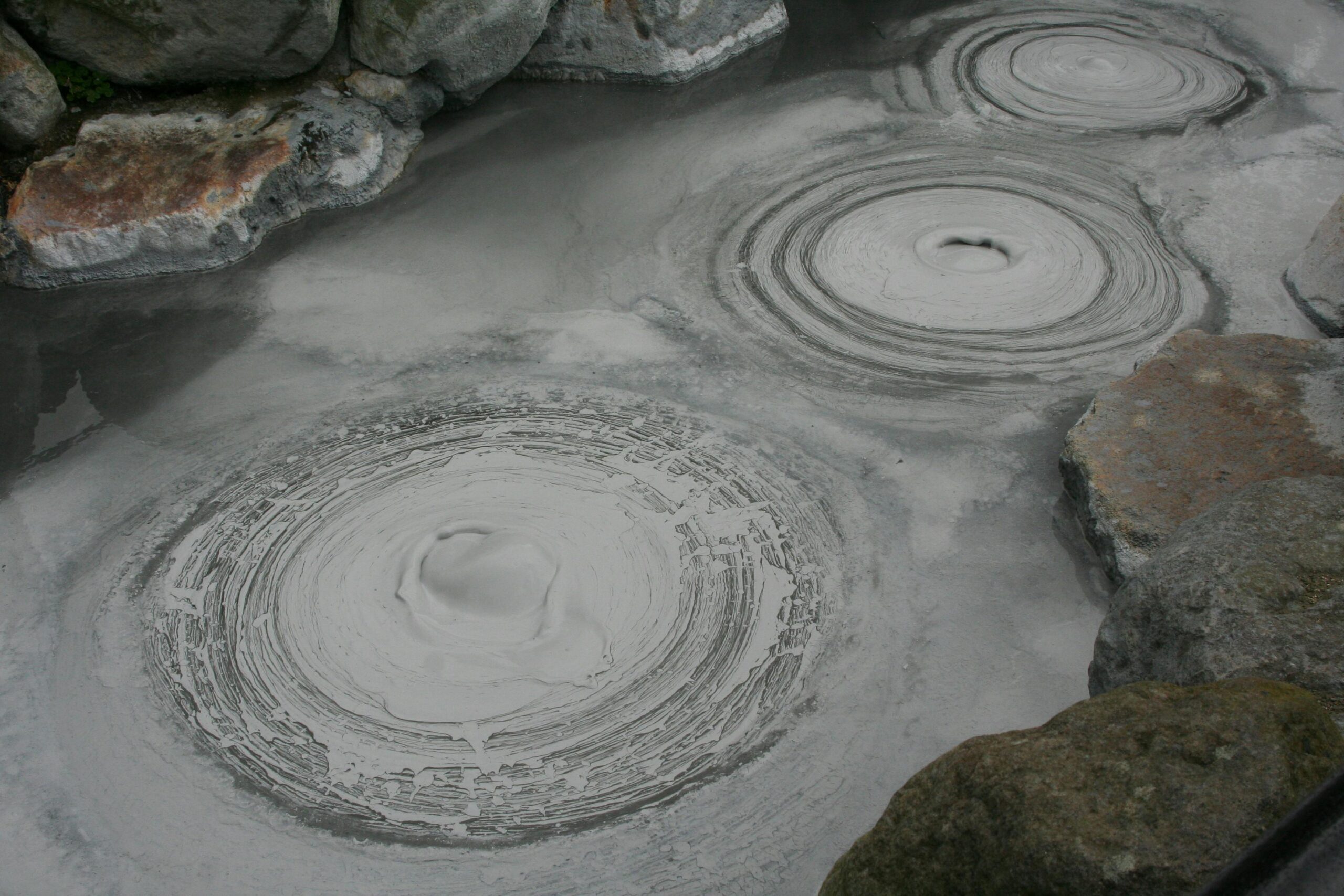
Where geological conditions permitted, Romans eagerly exploited natural geothermal resources. The city of Bath in England exemplifies this approach. Here, naturally heated water emerging from deep underground aquifers required minimal additional heating, dramatically reducing fuel costs while providing genuinely geothermal bathing experiences.
The Romans constructed elaborate temple complexes and bathing facilities around these springs, recognizing both their practical value and spiritual significance. The combination of natural thermal water and architectural sophistication created destinations that attracted visitors from across the empire, establishing a tradition of spa culture that persists in these locations today.
Social and Cultural Impact of Thermal Innovation
The hypocaust system’s success transcended mere technical achievement; it fundamentally shaped Roman social life. Affordable, comfortable public baths became accessible to citizens of all classes, fostering a democratic bathing culture where senators might find themselves sharing pools with merchants, soldiers, and freed slaves.
This social mixing occurred precisely because the hypocaust made large-scale public bathing economically viable. Earlier heating methods required individual fires or portable braziers, limiting bath size and increasing costs. The hypocaust’s efficiency allowed the construction of massive facilities that could accommodate hundreds or even thousands of bathers simultaneously.
Daily Rituals and Social Networking
For many Romans, visiting the baths was a daily ritual, typically occurring in the afternoon after work. The predictable comfort provided by hypocaust heating made these visits pleasant regardless of season or weather, encouraging regular attendance. Baths became venues for business negotiations, political discussions, exercise, dining, and entertainment—multifunctional community centers whose reliability depended on consistent heating.
The experience of moving through progressively warmer rooms created a shared ritual that reinforced social bonds. Everyone, regardless of status, followed the same progression from frigidarium to tepidarium to caldarium, united by the comfort of radiant heat rising from beneath their feet.
🔬 Archaeological Evidence and Modern Discoveries
Archaeological excavations continue revealing new insights into Roman heating technology. Well-preserved hypocaust systems exist throughout the former empire, from Britain to North Africa, from Spain to Syria. These remains allow researchers to study construction techniques, materials, and operational methods with remarkable precision.
Notable examples include the Baths of Caracalla in Rome, where extensive hypocaust remains demonstrate the massive scale of imperial bathing facilities. At Pompeii and Herculaneum, volcanic ash preserved hypocausts in extraordinary detail, including organic materials like wood beams that typically decay. These sites provide invaluable information about construction sequences and material choices.
Experimental Archaeology
Some researchers have constructed functional hypocaust replicas to test ancient heating efficiency. These experiments confirm that Roman systems could maintain comfortable temperatures with surprisingly modest fuel consumption. One modern recreation demonstrated that a small furnace could effectively heat multiple rooms for an entire day using less wood than anticipated, validating Roman design principles.
These studies also revealed subtleties not immediately apparent from ruins alone. For instance, the specific placement and angle of furnace openings significantly affected air circulation patterns. Small adjustments could dramatically improve or hinder heating efficiency, suggesting that Roman stokers possessed sophisticated operational knowledge passed down through apprenticeship rather than written manuals.
Legacy and Influence on Modern Systems
Roman hypocaust technology represents an evolutionary dead end in one sense—after the empire’s decline, knowledge of sophisticated underfloor heating largely disappeared from Western Europe for centuries. Medieval heating reverted to simple fireplaces and braziers, sacrificing efficiency for simplicity.
Yet the principles underlying hypocaust design reemerged in modern radiant floor heating systems. Contemporary installations use hot water or electric cables beneath floors to create even, comfortable warmth that closely mimics Roman approaches. The recognition that heating surfaces rather than air provides superior comfort and efficiency represents a rediscovery of ancient wisdom.
Contemporary Applications
Today’s passive solar design and thermal mass concepts echo Roman practices. Modern architects increasingly appreciate materials that absorb heat during the day and release it slowly at night, reducing energy consumption—exactly what Roman concrete and stone floors accomplished. Green building standards now emphasize principles that Romans employed instinctively: orientation toward the sun, thermal mass, natural ventilation, and efficient heat distribution.
Some modern spas and bath houses explicitly reference Roman design, incorporating updated versions of hypocaust heating or building around natural hot springs following Roman precedents. These facilities acknowledge their debt to ancient innovation while employing contemporary materials and controls for enhanced efficiency and safety.
💡 Lessons for Contemporary Sustainability
The Roman hypocaust offers valuable lessons for our energy-conscious age. Its efficiency derived not from advanced technology but from intelligent design working with natural physical principles. Heat rises; materials absorb and release thermal energy; large surface areas distribute warmth effectively. These fundamental truths remain constant regardless of technological sophistication.
Roman resourcefulness in exploiting local materials and conditions provides another relevant lesson. They didn’t impose uniform solutions but adapted systems to specific circumstances—using geothermal resources where available, adjusting designs for climate variations, and scaling installations to match needs and resources.
Perhaps most importantly, the hypocaust reminds us that sustainable comfort need not be ascetic. Romans created luxurious, pleasurable spaces while maintaining remarkable efficiency. Modern sustainability discussions sometimes suggest that environmental responsibility requires sacrifice, but Roman baths demonstrated that intelligent design can deliver both comfort and conservation.
The Enduring Marvel of Roman Engineering
Two millennia after their construction, Roman hypocaust systems continue inspiring admiration and study. They represent a peak of pre-industrial engineering achievement, comparable in sophistication to aqueducts, roads, and concrete—other Roman innovations that proved centuries ahead of their time.
What makes the hypocaust particularly remarkable is its holistic integration of architecture, engineering, and human experience. It wasn’t merely a technical solution to a heating problem but a comprehensive system that enabled social spaces, enhanced public health, and expressed cultural values. The warmth rising through bath floors carried more than physical comfort—it represented Roman civilization’s commitment to public welfare and civic pride.
As we face contemporary challenges of climate change and resource scarcity, the hypocaust reminds us that ancient peoples often developed surprisingly sophisticated solutions to problems we consider modern. By studying their approaches—not to copy them directly but to understand the principles underlying their success—we may discover insights applicable to our own technological challenges. The genius of Roman geothermal heat distribution lies not just in what it accomplished then, but in what it can still teach us now.