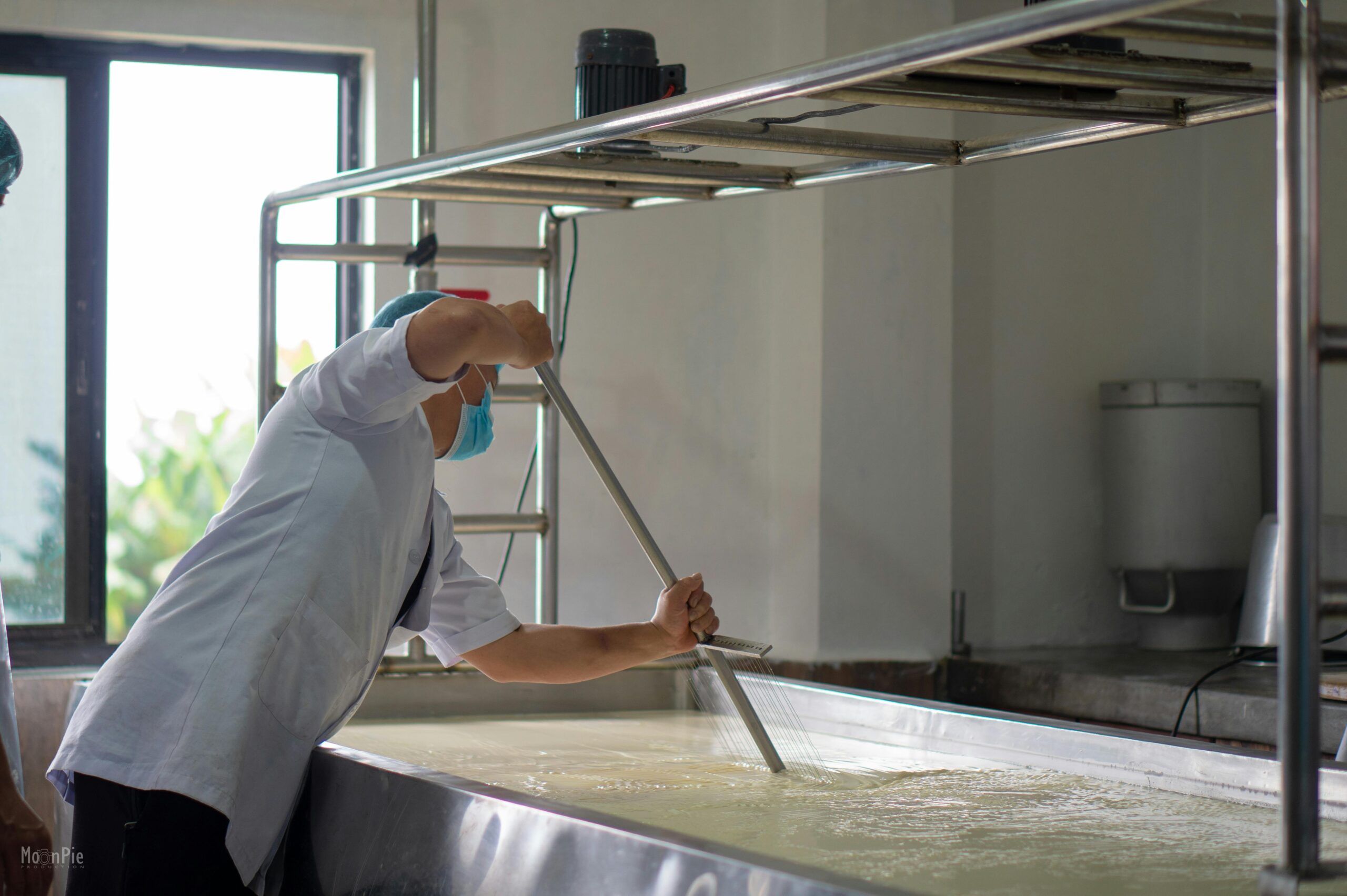

Ancient civilizations understood that water was life itself, and their ingenious tanks required meticulous care to function across generations and centuries.
🏺 The Timeless Engineering of Water Conservation
Long before modern plumbing systems and municipal water treatment facilities, ancient societies developed sophisticated water storage solutions that sustained entire communities through droughts, seasonal variations, and population growth. These remarkable structures—from Roman cisterns to Sri Lankan tanks, from Nabataean reservoirs to Khmer barays—represent some of humanity’s most impressive engineering achievements. Yet their longevity depended not merely on brilliant initial construction, but on carefully orchestrated maintenance cycles that preserved their function across centuries.
The ancient water tanks that continue to inspire engineers and archaeologists today share a common thread: they were built within societies that understood infrastructure required constant attention. These communities developed comprehensive maintenance traditions that became integral to their cultural and administrative systems, ensuring that the flow of life-giving water never ceased.
Understanding the Architecture of Ancient Water Systems
Before exploring maintenance practices, we must appreciate the complexity of these ancient structures. Water tanks ranged from small household cisterns to massive public reservoirs covering hundreds of acres. The basic components typically included:
- Catchment areas designed to collect rainwater or channel stream flow
- Filtration systems using gravel, sand, or settling basins to remove sediment
- Storage chambers with sealed walls and floors to prevent seepage
- Distribution channels and outlets with control mechanisms
- Overflow systems to manage excess water during heavy rainfall
Each element required specific maintenance approaches. The ancient engineers who designed these systems incorporated features that facilitated cleaning, inspection, and repair—demonstrating remarkable foresight about long-term sustainability.
Materials That Stood the Test of Time
The materials selected for construction directly influenced maintenance requirements. Roman engineers perfected hydraulic concrete that hardened underwater, creating watertight surfaces requiring minimal upkeep. In Sri Lanka, builders used clay and natural adhesives that needed periodic reapplication but were readily available locally. The Nabataeans carved cisterns directly into rock, creating structures that required less material maintenance but more attention to preventing crack formation.
Understanding material properties allowed ancient maintenance crews to address deterioration before it became catastrophic. This preventive mindset stands in stark contrast to modern “fix-it-when-it-breaks” approaches.
⏰ The Rhythm of Regular Maintenance Cycles
Ancient water management operated on multiple overlapping cycles, from daily inspections to major renovations spanning decades. These rhythms were often synchronized with agricultural calendars, religious festivals, and seasonal weather patterns.
Daily and Weekly Routines
The most frequent maintenance activities involved monitoring water levels, checking distribution systems, and removing visible debris. Historical records from ancient Rome describe aquarii—specialized workers responsible for daily aqueduct and reservoir inspections. These officials walked the entire system, noting changes in flow rates, spotting leaks, and identifying potential problems.
In ancient Sri Lanka, the vel vidane (irrigation headman) organized daily patrols of tank bunds and sluice gates. This continuous presence allowed early detection of animal burrows, erosion spots, or unauthorized water diversions that could compromise the entire system.
Seasonal Deep Cleaning Operations
Most ancient water systems underwent major cleaning during dry seasons when water levels naturally decreased. This timing allowed communities to work on tank interiors without completely depleting water supplies. The process typically involved:
- Draining remaining water to temporary holding areas
- Removing accumulated silt, vegetation, and debris
- Inspecting and repairing walls, floors, and seals
- Clearing inlet and outlet channels
- Refurbishing control mechanisms and gates
These operations required substantial labor, often mobilized through corvée systems or community obligations. In medieval India, tank maintenance was frequently funded through dedicated temple lands or royal grants, ensuring resources were available when needed.
💡 Innovative Maintenance Technologies and Techniques
Ancient engineers developed surprisingly sophisticated tools and methods for maintaining their water infrastructure. These innovations addressed specific challenges posed by different tank designs and environmental conditions.
Silt Management: The Eternal Challenge
Sediment accumulation represented the primary threat to water storage capacity. Left unchecked, silt could reduce tank volume by fifty percent within decades. Ancient civilizations developed multiple strategies to address this challenge.
The Sinhalese in Sri Lanka constructed elaborate silt traps—stepped basins where suspended particles settled before water entered main storage areas. These traps required regular cleaning but prevented silt from reaching the primary tank. Archaeological evidence shows these features were designed with access ramps and drainage channels specifically for maintenance purposes.
Chinese engineers developed specialized dredging tools including articulated scoops operated from boats and mechanical mud-lifts using counterweight systems. These devices allowed deep water sediment removal without complete drainage, maintaining water supply continuity.
Waterproofing and Sealing Restoration
Maintaining watertight integrity demanded ongoing attention across all ancient water systems. Different cultures developed distinct approaches based on available materials and environmental conditions.
Roman maintenance crews used hydraulic mortar repairs applied underwater when necessary. They also developed a technique called “aquarium opus”—layered waterproofing using crushed pottery, lime, and volcanic ash that could be applied to existing surfaces during renovations.
In arid regions, builders often used bitumen or natural resins as sealants. The Nabataeans applied regular coatings of these materials to cistern interiors, creating maintenance cycles timed to reapplication intervals of approximately five to seven years.
👥 The Social Organization of Water Maintenance
Sustaining ancient water tanks required more than technical knowledge—it demanded sophisticated social and administrative systems that could mobilize labor, allocate resources, and enforce responsibilities across generations.
Specialized Water Guardian Roles
Most ancient civilizations developed professional or semi-professional positions dedicated to water infrastructure. These roles carried significant status because water security was existential for communities.
In ancient Mesopotamia, the “gugallu” served as canal inspectors with authority to conscript labor for repairs and punish those who damaged irrigation infrastructure. Roman “curatores aquarum” commanded teams of hundreds of workers and possessed budgets rivaling military expenditures. These positions weren’t merely technical—they represented crucial administrative and judicial roles.
Community Participation and Obligation Systems
Beyond professional water guardians, most ancient societies organized community-wide participation in maintenance activities. These systems took various forms depending on social structures and governance models.
The “shramadana” tradition in Sri Lankan villages organized voluntary collective labor for tank maintenance, creating social bonds while accomplishing practical work. Islamic waqf systems dedicated agricultural revenues specifically to water infrastructure upkeep, creating endowments that funded maintenance for centuries. Medieval European monasteries often accepted responsibility for maintaining local water supplies as part of their community service obligations.
📊 Maintenance Scheduling and Record-Keeping
Effective long-term maintenance required systematic documentation and planning. Archaeological and historical evidence reveals sophisticated record-keeping practices that tracked maintenance activities, expenditures, and infrastructure conditions.
| Civilization | Record-Keeping Method | Information Tracked |
|---|---|---|
| Roman Empire | Stone inscriptions, administrative documents | Construction dates, repair records, responsible officials |
| Ancient Sri Lanka | Temple records, royal chronicles | Tank dimensions, renovation projects, endowments |
| Islamic Caliphates | Waqf deeds, administrative registers | Funding sources, maintenance schedules, water rights |
| Chinese Dynasties | Official histories, local gazetteers | Major repairs, flooding events, engineering improvements |
These records served multiple purposes beyond simple documentation. They established precedents for maintenance standards, justified budget allocations, and created institutional memory that survived individual officials and administrators. When ancient tanks are excavated today, these records allow archaeologists to date specific construction phases and understand how maintenance practices evolved.
🌊 Crisis Response and Emergency Repairs
Despite preventive maintenance, ancient water systems occasionally faced catastrophic failures from earthquakes, floods, warfare, or simple structural collapse. The ability to respond rapidly to such emergencies often determined whether communities survived or dispersed.
Prepared Response Systems
Successful ancient civilizations maintained emergency response capabilities for water infrastructure crises. These systems included stockpiled repair materials, trained rapid-response teams, and alternative water sources that could sustain populations during repairs.
Archaeological evidence from Angkor reveals that the Khmer Empire maintained specialized work camps near major barays with tools, materials, and laborers ready to respond to breaches or blockages. Roman frontier fortresses kept emergency water ration supplies and maintained backup wells in case aqueducts were severed by enemies.
Learning from Failures
Ancient engineers studied infrastructure failures systematically, incorporating lessons into subsequent designs and maintenance protocols. When the massive Marib Dam in Yemen experienced partial failures in the 5th century CE, repairs included enhanced overflow systems and reinforced foundations—directly addressing the identified failure mechanisms.
This evidence-based approach to infrastructure improvement demonstrates that ancient maintenance wasn’t simply about preservation—it involved continuous learning and adaptation based on operational experience.
🔄 The Cyclical Philosophy: Water and Renewal
Many ancient cultures embedded water maintenance within broader philosophical and religious frameworks that emphasized cyclical renewal. These worldviews recognized that infrastructure, like nature itself, required rhythms of use, rest, and restoration.
Hindu and Buddhist concepts of dharma included obligations to maintain water infrastructure as righteous action benefiting all beings. Inscriptions on South Indian temple tanks explicitly connect maintenance activities with spiritual merit, creating powerful motivations beyond purely practical considerations.
Islamic teachings emphasized water provision as ongoing charity (sadaqah jariyah) whose rewards continued eternally. This theological framework motivated the creation of endowments specifically for perpetual water infrastructure maintenance—some of which continue functioning today after more than a thousand years.
🏛️ Lessons for Modern Water Infrastructure
As contemporary societies face water security challenges from climate change, population growth, and aging infrastructure, ancient maintenance wisdom offers valuable insights often overlooked in modern engineering paradigms.
The Long-Term Thinking Imperative
Ancient water systems succeeded because builders and maintainers thought in generational time horizons. Structures were designed not just to function but to be maintained by future generations using available materials and local knowledge. Modern infrastructure often prioritizes initial construction costs over lifecycle maintenance requirements, creating expensive long-term problems.
Integrating Maintenance into Cultural Systems
The most successful ancient water tanks weren’t maintained through purely technical or bureaucratic systems—maintenance was woven into cultural practices, religious obligations, and community identities. Modern societies might benefit from similarly integrated approaches that create social meaning and shared responsibility around infrastructure maintenance.
Adapting to Local Conditions
Ancient engineers understood that effective maintenance required approaches tailored to specific materials, climates, and social contexts. Universal standardized solutions rarely worked across diverse environments. Contemporary water infrastructure might become more sustainable by embracing similar context-specific maintenance approaches rather than importing generic models.
🌟 The Enduring Flow: Water Infrastructure as Living Heritage
Many ancient water tanks continue functioning today, sometimes after more than two millennia of continuous use. These aren’t museum pieces preserved in pristine isolation—they’re living infrastructure systems that have adapted while maintaining core functions across countless human generations.
The Tank Cascade Systems of Sri Lanka, some dating to the 3rd century BCE, still irrigate rice paddies and supply villages. Roman aqueducts continue carrying water to fountains in European cities. Step-wells in India serve communities as they have for over a thousand years. These survivors share common characteristics: robust initial design, communities committed to maintenance, and flexible adaptation to changing circumstances.
Their persistence challenges modern assumptions about infrastructure obsolescence and replacement cycles. When properly maintained within supportive social systems, water infrastructure can function indefinitely, providing returns on investment measured in millennia rather than decades.

Preserving Knowledge, Sustaining Flow
The maintenance traditions that sustained ancient water tanks represent sophisticated knowledge systems developed through centuries of observation, experimentation, and accumulated experience. Much of this wisdom was transmitted orally through craftspeople’s guilds, administrative training, and community practice rather than formal written documentation.
Today, as ancient tanks are studied, restored, and sometimes returned to active use, engineers and archaeologists work to understand not just their construction but their maintenance traditions. This research reveals that technological sophistication alone didn’t ensure longevity—social commitment, institutional continuity, and cultural valuation of infrastructure maintenance proved equally essential.
The ancient water guardians who walked tank bunds at dawn, cleared silt channels each dry season, and organized community repair projects understood something fundamental: water infrastructure isn’t a one-time achievement but an ongoing relationship between human societies and their life-sustaining systems. The flow they maintained wasn’t just water moving through channels—it was knowledge, commitment, and care flowing across generations.
As we face 21st-century water challenges, perhaps the most valuable lesson from ancient maintenance cycles isn’t any specific technique or technology, but the recognition that truly sustainable infrastructure requires sustained human attention, institutional dedication, and cultural values that honor maintenance as profoundly as we celebrate construction. The ancient tanks that still flow today stand as monuments not primarily to engineering genius, but to the patient, unglamorous work of countless maintainers whose names history rarely recorded but whose legacy continues nourishing life.