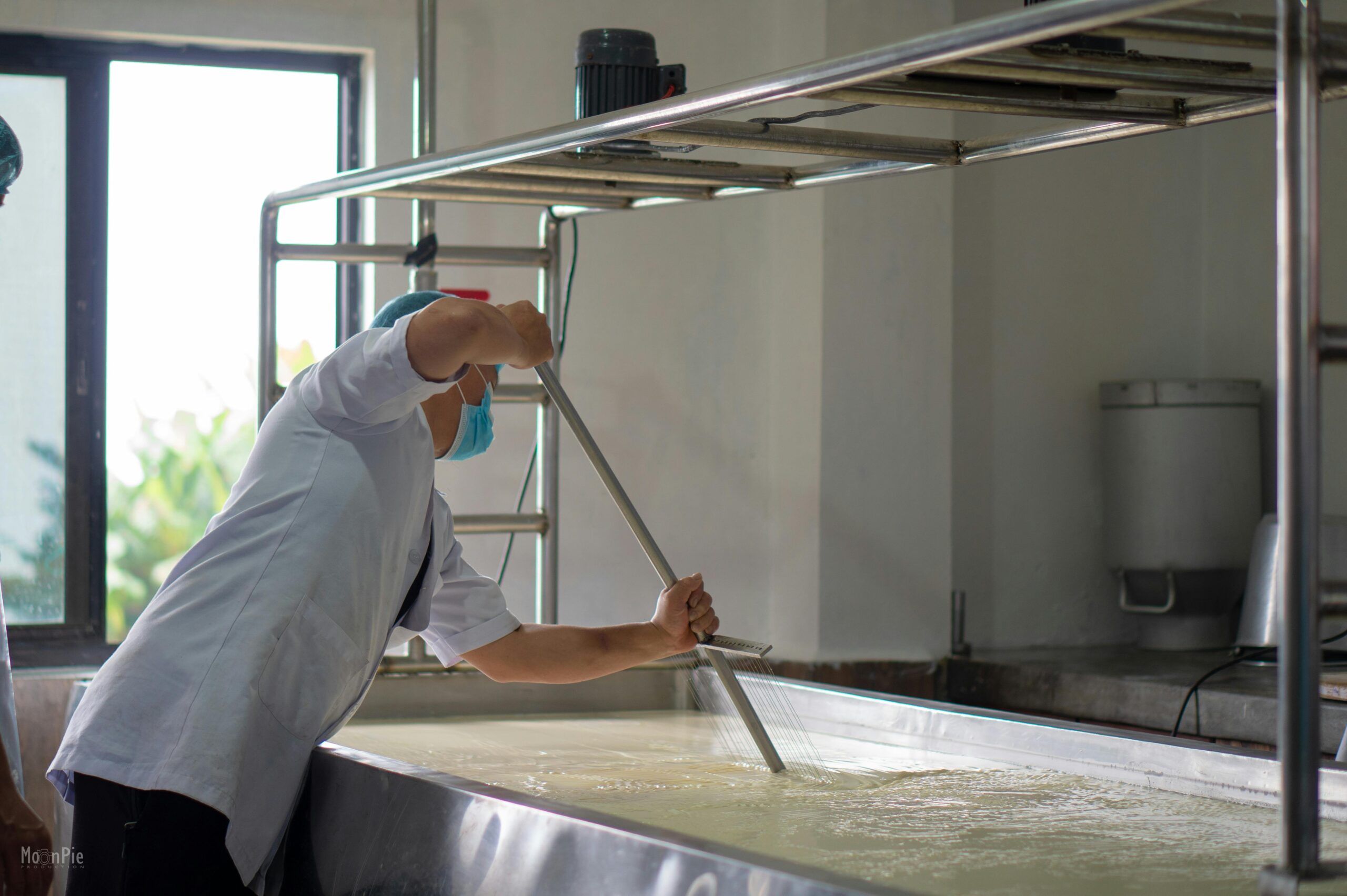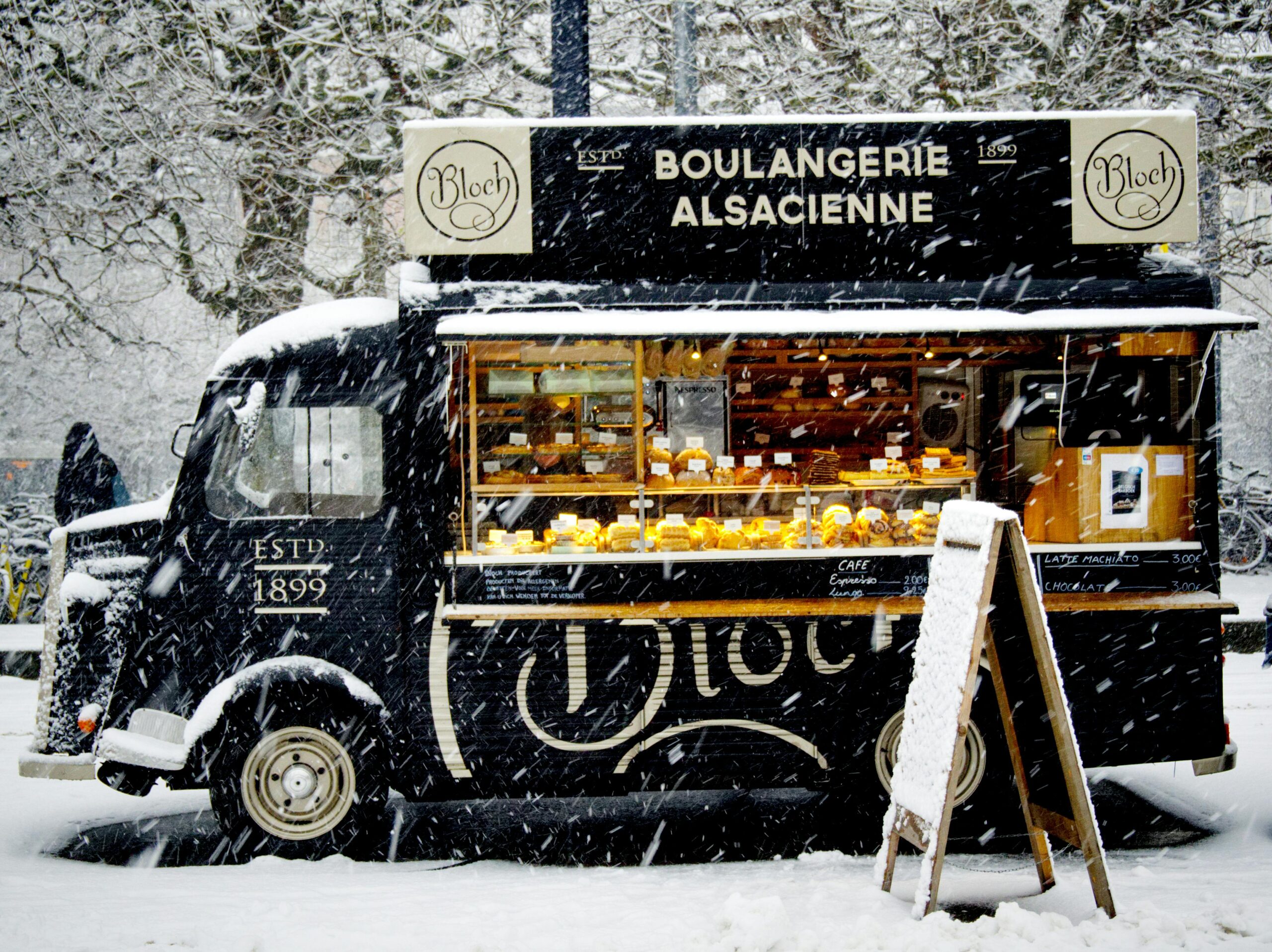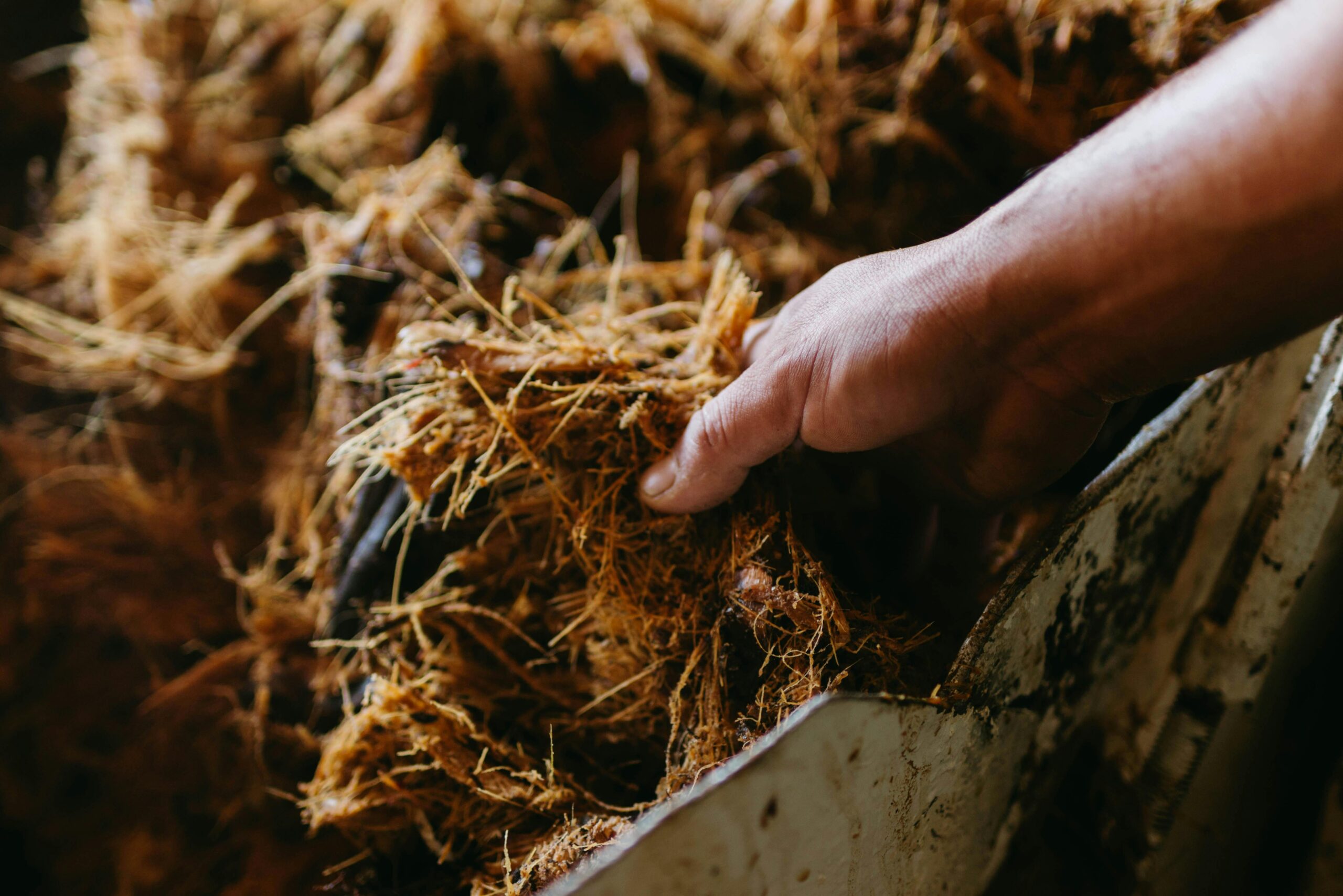

Fermentation is more than a preservation method—it’s a living bridge connecting past, present, and future generations through shared knowledge and sacred flavors.
🌾 The Ancient Art That Refuses to Die
Long before refrigerators hummed in kitchens and grocery stores lined suburban streets, our ancestors discovered something magical: food could transform itself. Milk became yogurt, cabbage turned into sauerkraut, and grapes fermented into wine. These weren’t accidents but carefully observed processes that became the foundation of culinary wisdom passed down through countless generations.
Fermentation represents one of humanity’s oldest biotechnologies, predating written history. Archaeological evidence suggests that humans were fermenting beverages as early as 7000 BCE in China, where residues of a fermented drink made from rice, honey, and fruit were discovered in ancient pottery. This wasn’t simply about making food last longer—it was about creating community, celebrating harvests, and establishing rituals that would define cultures for millennia.
What makes fermentation particularly remarkable is how it transcends geography and culture. From Korean kimchi to Ethiopian injera, from Japanese miso to Russian kvass, virtually every culture on Earth has developed its own fermentation traditions. These practices weren’t shared through cookbooks or YouTube tutorials—they were transmitted through demonstration, observation, and participation across generations.
The Kitchen as Classroom: Learning Through Doing
Traditional fermentation knowledge rarely came from formal instruction. Instead, children learned by standing beside grandparents in kitchens, watching wrinkled hands massage salt into cabbage, or observing the careful monitoring of bubbling crocks. This experiential learning created not just skilled fermenters but cultural custodians who understood the deeper significance of these practices.
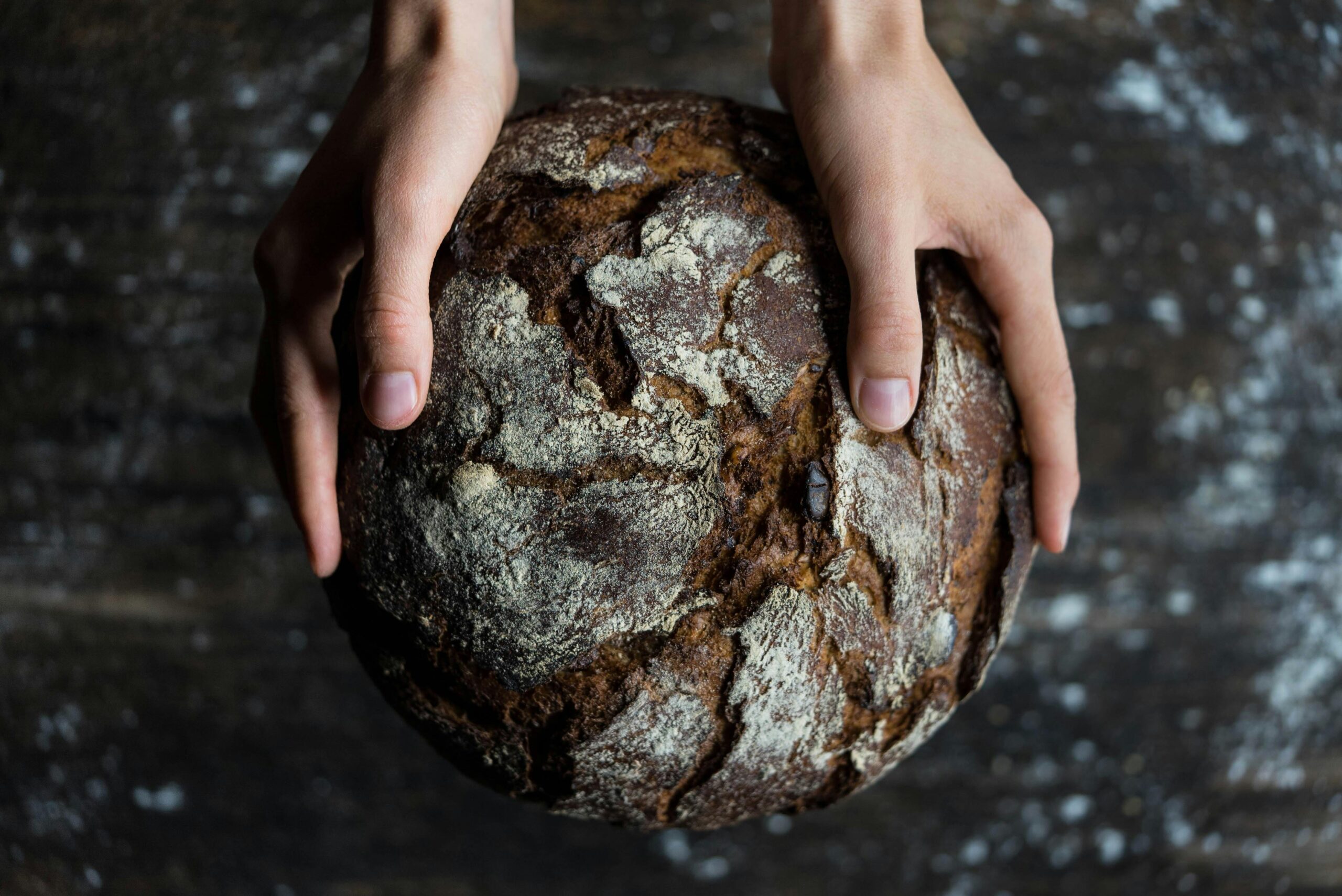
The teaching methods were subtle but effective. A grandmother might guide a child’s hands to feel the right texture of properly kneaded dough for sourdough bread. A grandfather would invite a grandchild to smell the fermenting vegetables, teaching them to recognize when fermentation was proceeding correctly versus when something had gone wrong. These sensory education moments created implicit knowledge that couldn’t be easily captured in written recipes.
This hands-on transmission also built patience—a virtue increasingly rare in our instant-gratification world. Fermentation cannot be rushed. It operates on biological time, not human schedules. Learning to ferment meant learning to wait, to trust natural processes, and to understand that the best things often require time and attention rather than speed and convenience.
The Language of Bubbles and Scent 🫧
Experienced fermenters develop a vocabulary that sounds almost poetic when they describe their craft. They speak of “active” starters, “happy” ferments, and vegetables that are “ready” or “not quite there yet.” This anthropomorphic language reflects a deeper relationship with food—one that views fermentation as a collaboration with living microorganisms rather than a mechanical process.
This specialized language gets passed down alongside techniques. When a Korean mother tells her daughter that the kimchi should “sing” when it’s properly fermented, she’s not being metaphorical—she’s describing the crackling sound of active fermentation. When a Polish grandmother says the brine should taste “like the sea but friendlier,” she’s conveying decades of sensory calibration in a single phrase.
Breaking Chains: When Fermentation Wisdom Nearly Disappeared
The 20th century brought unprecedented changes to how humans produced, distributed, and consumed food. Industrialization promised convenience, consistency, and safety—but at a cost. Traditional fermentation practices, which had survived thousands of years, suddenly seemed old-fashioned and unnecessary.
Refrigeration eliminated the primary reason many people fermented: preservation. Supermarkets offered commercially produced versions of fermented foods that required no skill or time to create. Within a single generation, knowledge that had been carefully transmitted for centuries began vanishing from families and communities.
This loss wasn’t merely about recipes—it represented a broader disconnection from food sources and traditional knowledge systems. When people stopped fermenting, they lost touch with microbiology, seasonal eating, patience, and the communal aspects of food preparation. The kitchen transformed from a place of creation to merely a staging area for reheating pre-made meals.
The Revival Generation 🌱
Paradoxically, the digital age that seemed to accelerate the loss of traditional knowledge also became the vehicle for its revival. Beginning in the early 2000s, a growing movement of food enthusiasts, health advocates, and cultural preservationists began rediscovering fermentation. Books like “Wild Fermentation” by Sandor Katz became unexpected bestsellers, and fermentation workshops started filling up across Western countries.
This revival took different forms across generations. Younger people approached fermentation through the lens of gut health, sustainability, and DIY culture. Middle-aged practitioners often connected with it as a way to reclaim autonomy over their food supply. Older generations, who might have abandoned these practices decades earlier, found themselves dusting off half-remembered techniques and reconnecting with childhood memories.
Social media platforms, despite their many drawbacks, created unexpected spaces for fermentation knowledge exchange. Instagram feeds filled with images of bubbling jars and sourdough scoring patterns. Facebook groups became virtual communities where novices could ask questions and experts could share troubleshooting advice. YouTube channels offered visual demonstrations that could reach thousands simultaneously—something no grandmother’s kitchen could achieve.
The Science Behind the Magic: Understanding What Our Ancestors Knew Intuitively
Modern science has confirmed what traditional fermenters always knew: fermentation creates nutritional value beyond the original ingredients. The process increases bioavailability of nutrients, produces beneficial enzymes, generates probiotics, and even creates new vitamins that weren’t present in the raw materials.
Lactic acid bacteria—the workhorses of vegetable fermentation—create an acidic environment that preserves food while making nutrients more digestible. Yeasts convert sugars into alcohol and carbon dioxide, creating beverages and leavened breads. Molds like those in koji transform starches into simple sugars, enabling the creation of sake, miso, and soy sauce.
Understanding the science doesn’t diminish the traditional knowledge—it validates it. Our ancestors might not have known about Lactobacillus or pH levels, but they understood fermentation success markers and could troubleshoot problems based on observation and experience. The scientific framework simply provides another language to describe what they already knew.
The Microbiome Connection 🦠
Recent research into the human microbiome has revealed why fermented foods held such an important place in traditional diets. These foods introduce beneficial bacteria to our digestive systems, supporting immune function, mental health, and overall wellbeing. Traditional diets that included multiple fermented foods daily maintained microbial diversity that many modern diets lack.
This scientific understanding has motivated many people to reconnect with fermentation traditions. Rather than taking probiotic supplements, they’re learning to make yogurt, kefir, kombucha, and fermented vegetables—reclaiming skills their grandparents might have possessed but never thought to teach them.
Regional Traditions: A World of Fermented Diversity
Exploring global fermentation traditions reveals remarkable diversity in techniques, ingredients, and cultural significance. Each tradition reflects its environment, available ingredients, and social structures.
In Korea, kimchi-making (kimjang) is so culturally significant that UNESCO recognized it as Intangible Cultural Heritage of Humanity. Families gather annually to prepare massive quantities together, with recipes and techniques passed from generation to generation. The specific vegetables, spices, and fermentation duration vary by region and family, creating a living culinary diversity.
Japanese fermentation culture centers around koji—a mold cultivated on rice or soybeans. This single organism enables the creation of sake, miso, soy sauce, mirin, and amazake. The koji masters (toji) who maintain starter cultures and oversee fermentation represent a direct lineage of knowledge extending back centuries.
Eastern European traditions showcase vegetable fermentation, with each country maintaining distinct approaches. Polish ogórki kiszone (fermented cucumbers), Russian sauerkraut with apples and caraway, and Ukrainian fermented beet kvass each represent regionally adapted techniques responding to local ingredients and climate conditions.
Indigenous Fermentation Knowledge 🌍
Indigenous cultures worldwide maintain fermentation traditions that often remain unknown to mainstream food movements. Native Alaskan communities ferment fish underground. African communities create fermented grain porridges and beverages. South American indigenous groups ferment cassava into various products.
These traditions face particular threats as younger generations move to urban areas and adopt globalized diets. Preserving this knowledge requires respecting cultural ownership while recognizing its value to broader food security and nutritional diversity conversations.
Teaching the Next Generation: Modern Approaches to Ancient Wisdom
Today’s fermentation teachers face a unique challenge: transmitting knowledge to students who often lack basic food preparation skills yet have unlimited access to information. The experiential, intuitive learning model of traditional transmission must adapt to contemporary contexts without losing its essential character.
Successful modern fermentation education combines hands-on practice with scientific understanding. Students learn to trust their senses while also understanding why certain conditions promote beneficial fermentation versus spoilage. This dual approach honors traditional wisdom while equipping learners with knowledge to adapt techniques to new situations.
Many fermentation revivalists emphasize the importance of maintaining living cultures—sourdough starters, water kefir grains, kombucha SCOBYs—as a way to create continuity and responsibility. When someone receives a starter culture from a friend or mentor, they’re joining a chain of stewardship that might extend back decades or centuries. This creates connection and accountability that transcends mere recipe following.
Community Fermentation Projects 👥
Across the world, community fermentation projects are emerging as spaces for intergenerational knowledge exchange. Community gardens host fermentation workshops where elders share traditional techniques with younger participants. Food preservation cooperatives pool resources and knowledge, creating modern versions of traditional communal food preparation.
These projects recognize that fermentation has always been communal. Traditional fermentation often happened in social contexts—kimjang gatherings, sauerkraut stomping parties, or communal bread baking. Recreating these social dimensions helps transmit not just techniques but the cultural context that gives them meaning.
The Fermentation Renaissance: Why Now?
Several converging factors explain the current fermentation revival. Health consciousness has grown alongside skepticism about industrial food production. Climate awareness has people seeking low-energy food preservation methods. The COVID-19 pandemic sent people into their kitchens seeking both food security and meaningful activities during lockdowns.
Perhaps more fundamentally, fermentation offers something increasingly rare: a slow, tangible practice that connects us to natural processes and historical continuity. In an era of algorithmic feeds and virtual experiences, transforming cabbage and salt into sauerkraut through patience and microbial activity provides grounding reality.
The practice also offers autonomy in an increasingly corporatized food system. Learning to ferment means depending less on commercial products and more on personal skill. This appeals across political spectrums—from homesteaders seeking self-sufficiency to urban sustainability advocates reducing their ecological footprint.
Preserving Diversity in Fermentation Practices
As fermentation enjoys renewed popularity, there’s risk of homogenization—where a few trendy preparations overshadow the vast diversity of global traditions. Kimchi, kombucha, and sourdough have become fermentation celebrities, while countless other traditions remain obscure.
Preserving fermentation diversity matters for multiple reasons. Different fermented foods offer distinct nutritional profiles and microbial communities. Regional traditions reflect adaptations to local ingredients and conditions, providing models for sustainable, place-based food systems. Cultural diversity in fermentation represents broader intangible heritage worthy of protection.
Documentation projects are working to record traditional fermentation knowledge before it disappears. These range from academic ethnographic studies to community-led oral history projects. Some initiatives focus on maintaining heirloom starter cultures in culture libraries, preserving not just knowledge but the living organisms themselves.
🍶 The Future of Fermentation Wisdom
Looking forward, fermentation knowledge transmission will likely continue blending traditional and modern approaches. Digital platforms will coexist with in-person mentorship. Scientific understanding will complement sensory intuition. Global exchange will happen alongside local tradition preservation.
The key challenge is ensuring transmission maintains fermentation’s essential character—its patience, its attention to living processes, its connection to place and season, its communal dimensions. When reduced to mere recipes or optimized protocols, fermentation loses much of what makes it meaningful.
Emerging fermenters must become not just practitioners but stewards—people who receive knowledge gratefully, practice it thoughtfully, and pass it forward generously. This requires humility about what we don’t yet understand, respect for knowledge sources, and commitment to accessibility so fermentation wisdom doesn’t become an exclusive hobby.
Connecting Through Cultures: The Universal Language of Fermentation
Despite regional differences, fermenters worldwide share common ground. The excitement of checking a ferment’s progress, the satisfaction of achieving perfect texture and flavor, the generosity of sharing starter cultures—these experiences transcend cultural boundaries and create connection.
International fermentation exchanges reveal both diversity and commonality. A Korean kimchi maker and a German sauerkraut enthusiast use different ingredients and seasonings, but both understand brine ratios, temperature management, and fermentation timelines. This shared technical foundation enables knowledge exchange while respecting cultural specificity.
The fermentation community increasingly recognizes the importance of cultural respect and attribution. When adopting techniques from other traditions, ethical practitioners acknowledge sources, learn cultural context, and avoid appropriation that strips practices of their meaning. This careful approach allows knowledge sharing while honoring origins.
Living Traditions in Modern Kitchens
The most successful fermentation knowledge transmission happens when practices integrate naturally into daily life rather than existing as special projects. When fermented foods become kitchen staples rather than experiments, when maintaining a sourdough starter feels like caring for a houseplant rather than a burden, fermentation becomes genuinely sustainable.
This integration often happens gradually. Someone might start with a single simple ferment—perhaps quick-pickled vegetables—then progress to longer fermentations and more complex projects. As confidence grows, fermentation becomes less intimidating and more intuitive. Eventually, the practitioner begins teaching others, completing the generational cycle.
The most profound aspect of fermentation wisdom isn’t any specific technique but the broader lessons it teaches: patience with natural processes, attention to subtle changes, trust in invisible microbial partners, and respect for knowledge accumulated across generations. These lessons extend far beyond the kitchen, offering alternative values to our culture’s obsession with speed, control, and novelty.
As we face uncertain environmental and social futures, the resilience embedded in fermentation traditions becomes increasingly valuable. Communities that maintain diverse food preservation skills possess both practical capabilities and cultural strength. The spark of fermentation wisdom, passed carefully from generation to generation, continues illuminating paths toward more sustainable, connected, and nourishing ways of living. By learning, practicing, and teaching fermentation, we join an ancient chain of knowledge that stretches backward into prehistory and forward into an unknown but hopefully flourishing future.