
Fermentation has emerged as one of humanity’s oldest yet most innovative methods to preserve harvests, transforming simple grains into nutrient-dense foods that last for months or even years.
🌾 The Ancient Art Meeting Modern Necessity
Our ancestors understood something profound that modern food science is only now beginning to fully appreciate: fermentation doesn’t just preserve food—it transforms it into something nutritionally superior. In a world where food waste accounts for nearly one-third of all production and where access to fresh produce remains limited in many regions, fermentation offers a practical, accessible solution that works with nature rather than against it.
The process of fermenting grains involves harnessing beneficial microorganisms—bacteria, yeasts, and molds—to break down complex compounds in foods. This biological transformation creates an acidic or alcoholic environment that prevents spoilage while simultaneously enhancing nutritional content, digestibility, and flavor profiles. Unlike industrial preservation methods that require electricity, chemical additives, or specialized equipment, fermentation requires minimal resources and can be practiced in virtually any climate or economic condition.
Understanding the Science Behind Grain Fermentation
When we ferment grains, we’re essentially creating a controlled environment where beneficial microorganisms thrive while harmful bacteria cannot survive. The fermentation process begins when naturally occurring or introduced microbes consume the sugars and starches in grains, producing lactic acid, acetic acid, alcohol, and carbon dioxide as byproducts. This metabolic activity creates conditions hostile to pathogens and spoilage organisms.
The pH level drops during fermentation, typically reaching between 3.5 and 4.5, which creates a natural preservation barrier. This acidic environment not only prevents contamination but also breaks down anti-nutritional factors present in grains such as phytic acid, which binds minerals and prevents their absorption in the human digestive system.
The Nutritional Transformation That Occurs
Fermentation doesn’t merely preserve grains—it significantly enhances their nutritional profile. During the fermentation process, microorganisms produce enzymes that pre-digest complex proteins, starches, and fibers, making nutrients more bioavailable to the human body. B vitamins, particularly B12, folate, riboflavin, and niacin, often increase dramatically during fermentation.
The breakdown of phytic acid is particularly significant. This compound, found in high concentrations in whole grains, can reduce the absorption of essential minerals like iron, zinc, calcium, and magnesium by up to 80%. Fermentation can reduce phytic acid content by 50-70%, dramatically improving mineral bioavailability. Additionally, the process synthesizes new nutrients and creates beneficial compounds such as peptides and amino acids that weren’t present in the original grain.
Traditional Fermented Grain Products From Around the World 🌍
Different cultures have developed unique fermented grain products based on locally available grains and climatic conditions. These traditional foods offer insights into the versatility and adaptability of grain fermentation techniques.
In Africa, fermented porridges like ogi, made from maize, sorghum, or millet, serve as staple foods and weaning foods for infants. These porridges undergo spontaneous fermentation for 2-3 days, resulting in a sour, nutritious product with improved digestibility. The fermentation process reduces the viscosity of the porridge, allowing more nutrients to be packed into smaller volumes—crucial for infant nutrition.
Asian cuisines feature numerous fermented grain products. Japanese miso and sake begin with koji—rice inoculated with Aspergillus oryzae mold. Korean sikhye is a sweet fermented rice beverage, while Indian idli and dosa are made from fermented rice and lentil batters. These products showcase how fermentation can create diverse textures, flavors, and nutritional profiles from similar base ingredients.
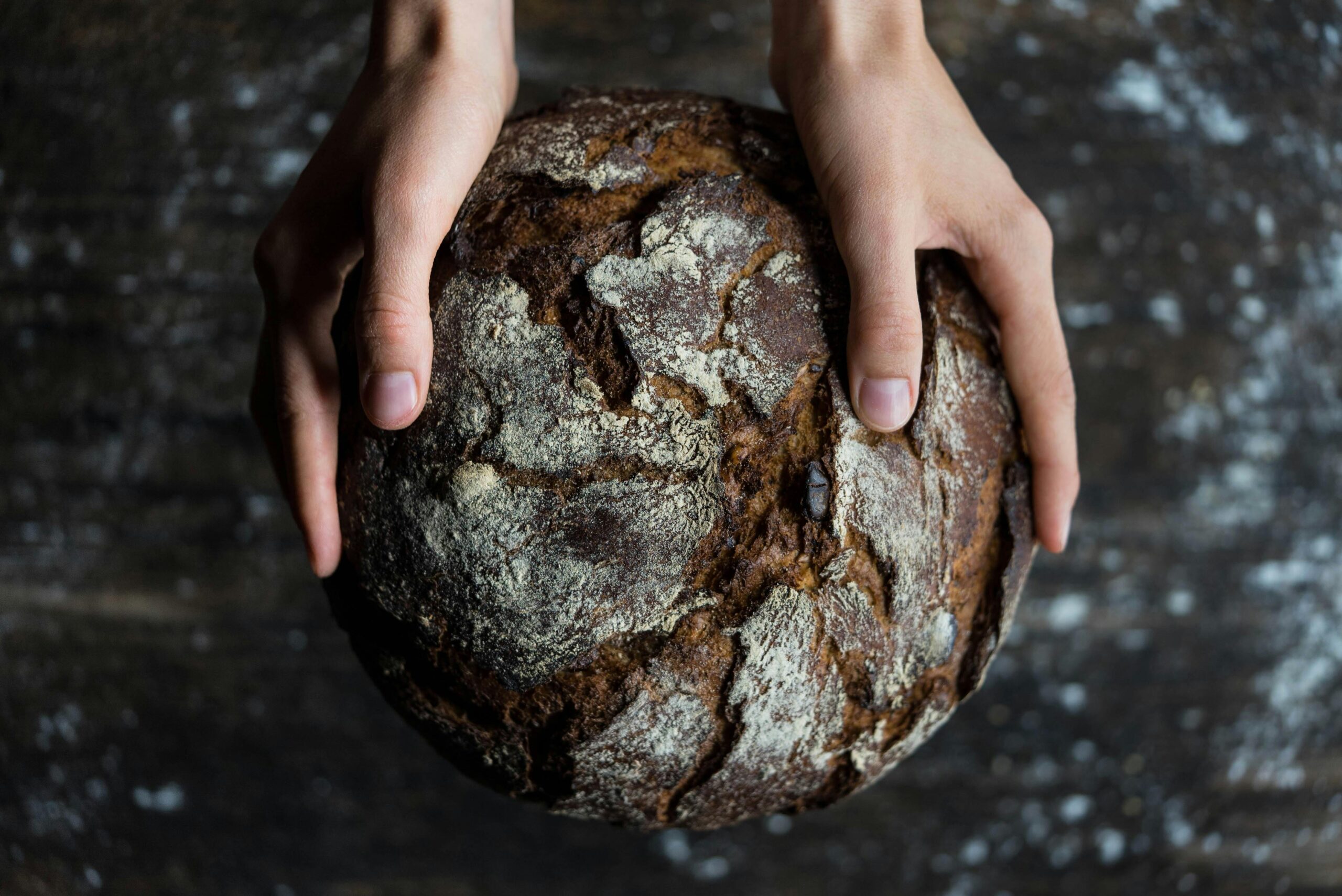
European traditions include sourdough bread, made with naturally fermented wheat or rye, and kvass, a fermented beverage made from rye bread. Ethiopian injera, made from fermented teff flour, demonstrates how fermentation can make unique grains more digestible and nutritious while creating distinctive flavors that define regional cuisines.
Practical Methods for Fermenting Grains at Home
Starting your grain fermentation journey doesn’t require specialized equipment or extensive knowledge. The basic principles remain consistent across different grains and desired end products: create conditions favorable for beneficial microorganisms while preventing contamination.
Creating Your First Sourdough Starter
A sourdough starter represents one of the most accessible entry points into grain fermentation. This living culture of wild yeasts and lactic acid bacteria can be maintained indefinitely and used to create naturally leavened breads with superior flavor, texture, and digestibility compared to commercial yeast breads.
To create a starter, mix equal parts flour and water in a clean jar, cover loosely, and keep at room temperature. Feed the mixture daily with fresh flour and water, discarding half before each feeding. Within 5-7 days, you’ll notice bubbling activity and a pleasant sour aroma—signs that your starter is active and ready to use. This simple culture can preserve the nutritional value of grains while transforming them into delicious, long-lasting bread.
Fermenting Whole Grains for Porridge
Whole grains like oats, rice, wheat berries, and barley can be fermented to create nutritious porridges with enhanced digestibility. The process involves soaking grains in warm water with a small amount of acidic medium—yogurt, whey, or lemon juice—for 12-24 hours before cooking.
This simple fermentation dramatically reduces cooking time, improves texture, and increases nutrient availability. The slightly tangy flavor adds depth to breakfast porridges, and the pre-digestion of starches means more stable blood sugar levels after eating. For longer preservation, fermented grains can be dried after soaking and stored for months, ready to be cooked when needed.
Preserving Large Harvests Through Grain Fermentation 🌾
For those managing significant grain harvests, fermentation offers scalable preservation methods that maintain quality without refrigeration. Traditional pit fermentation, practiced in various cultures, involves creating anaerobic conditions underground where grains undergo controlled fermentation.
In modern applications, this principle translates to sealed containers or food-grade buckets where grains are layered with salt or starter cultures, compressed to remove air, and sealed. The resulting product, similar to silage used in animal feed, can preserve grains for extended periods while maintaining or enhancing nutritional value.
Creating Fermented Grain Flour
Fermenting grains before milling creates flour with exceptional storage stability and enhanced nutritional properties. The process involves sprouting grains, allowing brief fermentation, then drying and milling. The resulting flour contains active enzymes and beneficial bacteria that improve bread quality and digestibility.
This technique works particularly well with wheat, rye, spelt, and ancient grains like einkorn. The fermented flour can be stored for several months in cool, dry conditions and produces baked goods with complex flavors, improved texture, and better nutritional profiles than conventional flour.
Health Benefits That Extend Beyond Preservation
The health advantages of fermented grains extend far beyond their impressive shelf life. Regular consumption of properly fermented grain products has been linked to improved digestive health, enhanced immune function, and better management of chronic conditions.
The probiotic bacteria present in fermented grains colonize the gut microbiome, supporting digestive health and immune function. These beneficial microorganisms produce short-chain fatty acids that nourish intestinal cells, reduce inflammation, and support the integrity of the gut barrier. For individuals with sensitive digestive systems, fermented grains often prove more tolerable than their unfermented counterparts.
Addressing Gluten Sensitivity Through Fermentation 🔬
Research suggests that proper fermentation can significantly reduce gluten content in wheat products, making them more tolerable for some individuals with gluten sensitivity. During extended fermentation, bacterial enzymes break down gluten proteins into smaller peptides and amino acids, reducing their immunogenic potential.
Traditional sourdough bread, fermented for 24 hours or longer, contains substantially less intact gluten than quickly risen commercial bread. While not safe for individuals with celiac disease, these products may offer options for those with non-celiac gluten sensitivity. The fermentation process also reduces other problematic compounds in wheat, including FODMAPs, which trigger digestive discomfort in sensitive individuals.
Optimizing Fermentation Conditions for Success
Successful grain fermentation depends on controlling several key variables: temperature, moisture content, salt concentration, and time. Understanding how these factors interact allows you to consistently produce high-quality fermented products.
Temperature proves critical for controlling which microorganisms dominate the fermentation. Lactic acid bacteria thrive between 68-78°F (20-25°C), while yeasts prefer slightly warmer conditions. Cooler temperatures slow fermentation, producing more complex flavors but requiring longer fermentation times. Warmer conditions accelerate the process but may favor undesirable microorganisms if temperatures exceed 85°F (29°C).
Moisture content must be carefully balanced. Too much water creates conditions favorable for spoilage organisms, while insufficient moisture prevents beneficial microbes from thriving. Most grain fermentations work best with moisture content between 40-60%, though this varies depending on the specific product being created.
The Role of Salt in Grain Fermentation
While not always necessary, salt plays an important role in many grain fermentations. It selectively inhibits undesirable microorganisms while allowing beneficial lactic acid bacteria to flourish. Salt concentrations of 2-3% create optimal conditions for most grain fermentations, though some traditional products use higher or lower amounts.
Salt also affects texture, flavor development, and preservation quality. It draws moisture from grains through osmosis, creating brine that facilitates even fermentation. The mineral content also contributes essential nutrients that support microbial metabolism throughout the fermentation process.
Troubleshooting Common Fermentation Challenges
Even experienced fermenters encounter occasional challenges. Understanding common problems and their solutions helps maintain consistency and prevents waste.
Off odors represent the most common concern. A properly fermenting grain should smell pleasantly sour or yeasty, never putrid or strongly unpleasant. Foul odors indicate contamination with spoilage organisms, and the batch should be discarded. This typically results from insufficient acidity, contaminated equipment, or fermentation temperatures that were too high.
Mold growth on fermentation surfaces doesn’t always indicate total loss. Surface mold on solid ferments can often be removed if caught early, though the underlying product should be examined carefully. Prevention through proper compression to remove air pockets, adequate salt concentration, and sealed fermentation vessels proves more effective than remediation.
When Fermentation Seems Too Slow or Too Fast ⏱️
Fermentation speed varies based on temperature, microorganism populations, and grain characteristics. Excessively slow fermentation may indicate insufficient active cultures, too-cool temperatures, or problems with grain quality. Adding a small amount of active starter culture or moving the fermentation to a warmer location often resolves the issue.
Overly rapid fermentation can produce off-flavors and textures. This usually results from too-warm temperatures or excessive starter culture. Slowing fermentation by reducing temperature allows for more complex flavor development and better texture in the final product.
Scaling Up: From Kitchen Counter to Community Production
The principles that work for small-batch fermentation scale effectively to larger operations. Community groups, small farms, and local food initiatives have successfully implemented grain fermentation programs that serve dozens or hundreds of people.
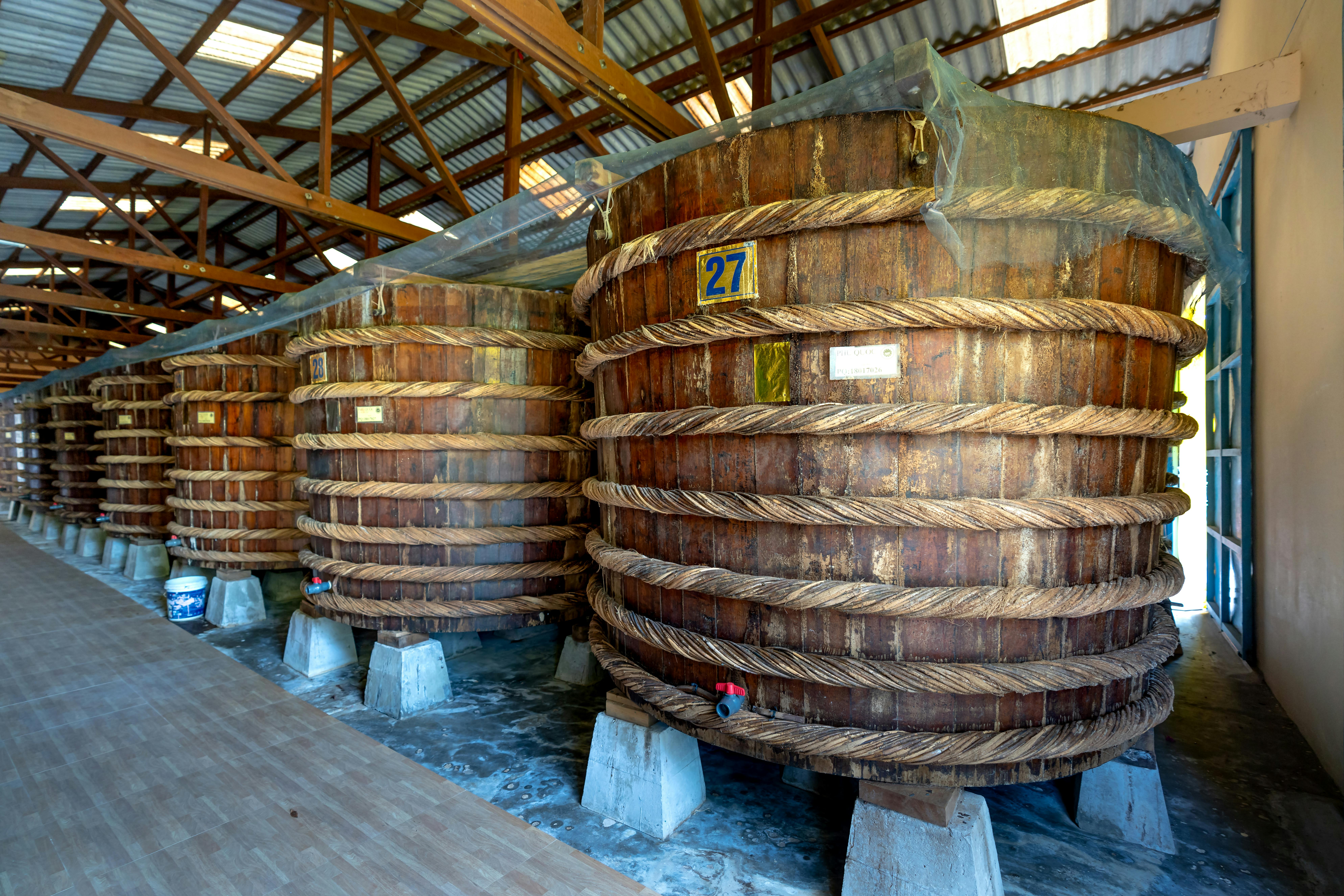
Larger-scale operations benefit from dedicated fermentation spaces with controlled temperature and humidity. Food-grade fermentation vessels ranging from 5-gallon buckets to 55-gallon drums enable batch processing that maintains consistency while managing significant volumes. Proper record-keeping becomes essential at scale, documenting fermentation times, temperatures, and outcomes to refine processes and ensure food safety.
Community fermentation projects create opportunities for knowledge sharing, resource pooling, and cultural preservation. Groups can collectively manage grain purchases, share fermentation space and equipment, and distribute finished products, making nutrient-dense fermented foods accessible to more people while preserving traditional food preparation methods.
Economic and Environmental Benefits of Fermentation 💰
Grain fermentation delivers significant economic advantages for individuals, families, and communities. The process requires minimal energy inputs—no electricity for refrigeration or freezing—making it accessible in off-grid situations and reducing environmental impact.
By extending the usable life of grain harvests, fermentation reduces food waste and associated economic losses. Grains purchased in bulk during harvest season when prices are lowest can be preserved through fermentation and consumed throughout the year, providing substantial savings compared to purchasing processed foods or out-of-season grains.
The environmental benefits extend beyond energy savings. Fermentation produces no toxic byproducts, requires no synthetic preservatives, and generates minimal packaging waste when practiced at home or community scale. The process actually improves grain quality rather than merely maintaining it, representing a regenerative approach to food preservation.
Integrating Fermented Grains Into Modern Diets
Despite their ancient origins, fermented grains fit seamlessly into contemporary eating patterns. These versatile ingredients can replace their unfermented counterparts in most recipes while delivering superior nutrition and flavor.
Sourdough bread replaces commercial bread without requiring dietary changes or recipe modifications. Fermented porridges make nutritious breakfasts that prepare quickly and provide sustained energy throughout the morning. Fermented grain flours create pancakes, muffins, and baked goods with complex flavors and improved nutritional profiles.
For those new to fermented foods, gradual introduction allows the digestive system to adapt. Starting with small portions and increasing consumption over several weeks helps establish beneficial gut bacteria populations that optimize digestion and nutrient absorption from these foods.
Teaching the Next Generation About Fermentation 👨👩👧👦
Passing fermentation knowledge to younger generations ensures these valuable skills persist. Children and young adults readily engage with hands-on fermentation projects that provide visible results and delicious outcomes.
Starting a sourdough culture makes an excellent educational project, demonstrating microbiology, chemistry, and traditional food preparation. Young people enjoy naming and caring for their starters, feeding them regularly, and watching them bubble and grow. The weekly rhythm of maintaining a starter teaches responsibility while producing tangible rewards in the form of fresh bread.
School and community programs incorporating grain fermentation combine practical skills with science education, cultural studies, and nutrition lessons. Participants gain competence in food production while learning about global food traditions and sustainable living practices.
Looking Forward: Fermentation’s Role in Food Security
As climate change disrupts agricultural patterns and global food systems face increasing pressures, fermentation offers resilient, adaptable preservation methods that don’t depend on industrial infrastructure or continuous energy inputs.
Grain fermentation can be practiced anywhere grains grow, using techniques that adapt to local conditions, available ingredients, and cultural preferences. This decentralization of food preservation capabilities builds community resilience and reduces dependence on fragile supply chains.
Research institutions and food security organizations increasingly recognize fermentation’s potential contribution to global nutrition. Programs teaching fermentation techniques in food-insecure regions demonstrate how these traditional methods can be revitalized to address contemporary challenges while respecting cultural food traditions.
The intersection of traditional knowledge and modern understanding positions grain fermentation as a crucial tool for building sustainable, nutritious, and resilient food systems. By transforming harvests through fermentation, we unlock not just extended storage capabilities, but enhanced nutrition, reduced waste, and strengthened connections to food traditions that have sustained humanity for millennia. Whether starting with a simple sourdough starter on your kitchen counter or implementing community-scale fermentation projects, this ancient practice offers powerful solutions to modern food preservation challenges while delivering superior nutrition and flavor in every bite. 🌾✨