
Cold fermentation is a time-honored technique that transforms ordinary ingredients into extraordinary culinary masterpieces by harnessing the power of ambient temperatures and extended fermentation periods.
🌡️ Understanding the Magic Behind Cold Fermentation
Cold fermentation represents a paradigm shift in how we approach food preparation and flavor development. Unlike traditional rapid fermentation methods that rely on warm temperatures to speed up the process, cold fermentation takes a patient approach, allowing enzymatic reactions and microbial activity to unfold gradually at cooler temperatures. This slow transformation creates complex flavor profiles that simply cannot be replicated through faster methods.
The science behind cold fermentation is fascinating. When ingredients are exposed to temperatures between 35°F and 55°F (2°C to 13°C), the metabolic activity of yeast and bacteria slows down considerably. This deceleration allows for more controlled breakdown of starches, proteins, and other complex molecules, resulting in nuanced flavors, improved digestibility, and enhanced nutritional value.
Professional bakers, brewers, and culinary artisans have long recognized the superior results achieved through cold fermentation. The method has gained tremendous popularity among home cooks and food enthusiasts who seek restaurant-quality outcomes in their own kitchens. From sourdough bread with impossibly crispy crusts to pizza dough with complex flavor notes, cold fermentation delivers results that make the extended wait worthwhile.
Why Temperature Control Matters for Flavor Development
Temperature serves as the conductor of the fermentation orchestra, determining which microbial players take center stage and how quickly they perform. When fermentation occurs at ambient or cool temperatures, several beneficial processes occur simultaneously that contribute to superior flavor profiles.
First, cold temperatures favor the production of organic acids and esters—compounds responsible for fruity, floral, and complex aromatic notes. These volatile compounds develop more abundantly during extended cool fermentation compared to warm, rapid fermentation. The result is depth of flavor that distinguishes artisanal products from mass-produced alternatives.
Second, slower fermentation allows for more complete enzymatic action. Enzymes in flour, for instance, have ample time to break down complex starches into simpler sugars, which not only feed fermentation but also contribute to better browning, improved texture, and enhanced sweetness in the final product. This enzymatic activity continues even at cool temperatures, working steadily to transform your ingredients.
Third, cold fermentation minimizes the production of unwanted byproducts. Rapid, warm fermentation can lead to excessive alcohol production, bitter flavors, or overly acidic results. The controlled pace of cold fermentation keeps these potentially harsh flavors in check while emphasizing more desirable characteristics.
🍞 Mastering Cold Fermentation for Bread and Dough
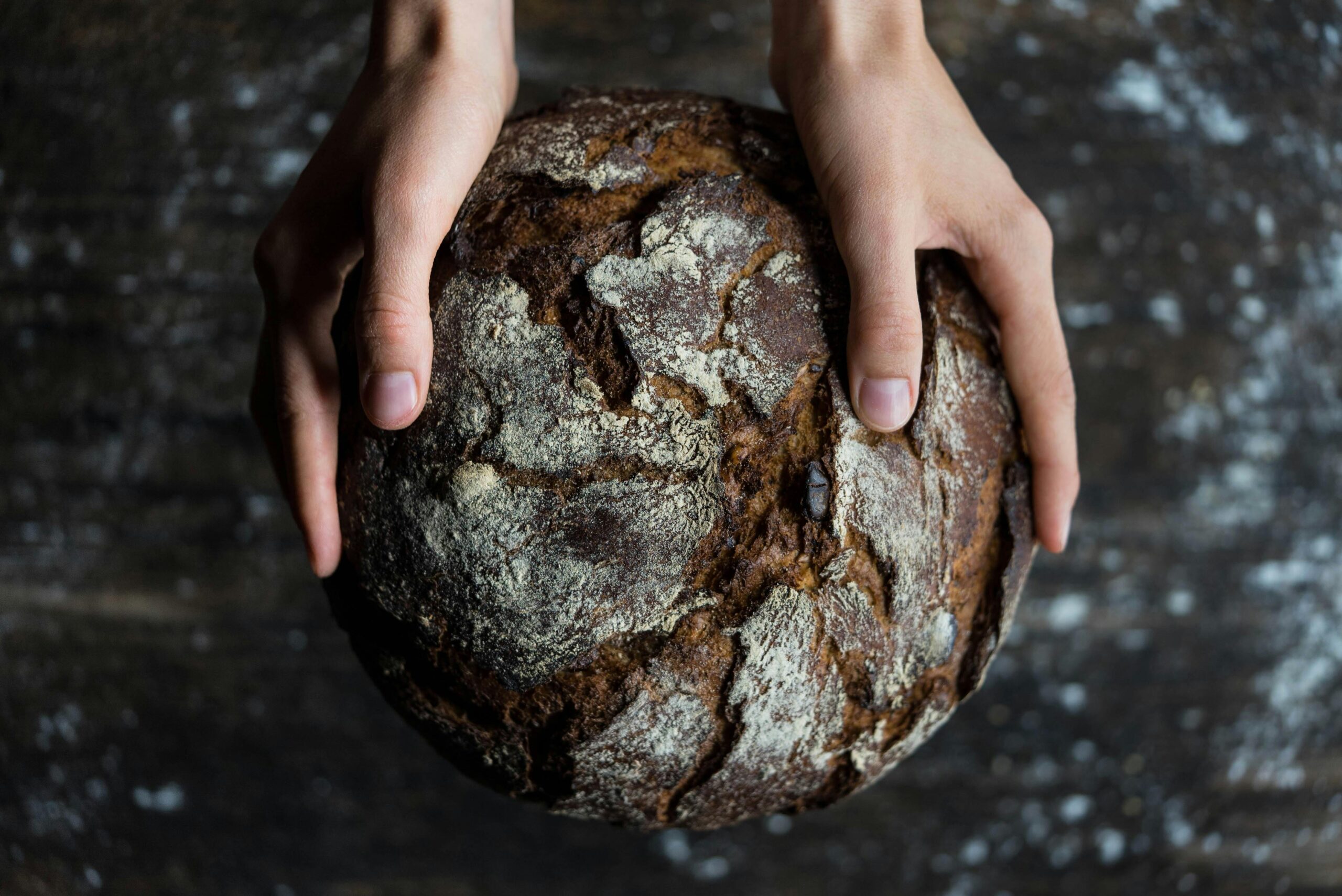
Bread making represents perhaps the most celebrated application of cold fermentation techniques. Artisan bakers worldwide have embraced refrigerated dough fermentation to achieve the holy grail of bread characteristics: an open, airy crumb structure, a crackling crust with deep caramelization, and a complex flavor profile that makes each bite memorable.
The process begins with mixing your dough using standard techniques, but instead of allowing it to rise at room temperature for a few hours, you transfer it to the refrigerator for an extended period—typically 12 to 72 hours. During this time, gluten continues to develop without kneading, wild yeasts and bacteria produce flavor compounds, and the dough becomes more manageable and easier to shape.
For pizza dough, cold fermentation is transformative. A three-day refrigerated fermentation produces dough that stretches easily without tearing, browns beautifully in the oven, and offers a flavor complexity that rivals the best pizzerias in Naples. The extended fermentation also breaks down gluten and starches, making the final product more digestible for many people who struggle with wheat products.
Practical Tips for Cold-Fermented Dough Success
Successfully implementing cold fermentation requires attention to several key factors that influence the final outcome:
- Reduce yeast quantity: Since fermentation time is extended, use about 25-50% less yeast than traditional recipes call for to prevent over-fermentation.
- Use proper containers: Choose vessels that allow for expansion, as dough will still rise considerably even in cold conditions.
- Monitor fermentation progress: Check your dough periodically, especially during the first cold fermentation attempt with a new recipe.
- Allow warming time: Remove dough from refrigeration 30-60 minutes before shaping to make handling easier.
- Experiment with duration: Different fermentation times produce different results—shorter periods yield milder flavors while extended fermentation creates more pronounced characteristics.
Beyond Bread: Expanding Cold Fermentation Applications
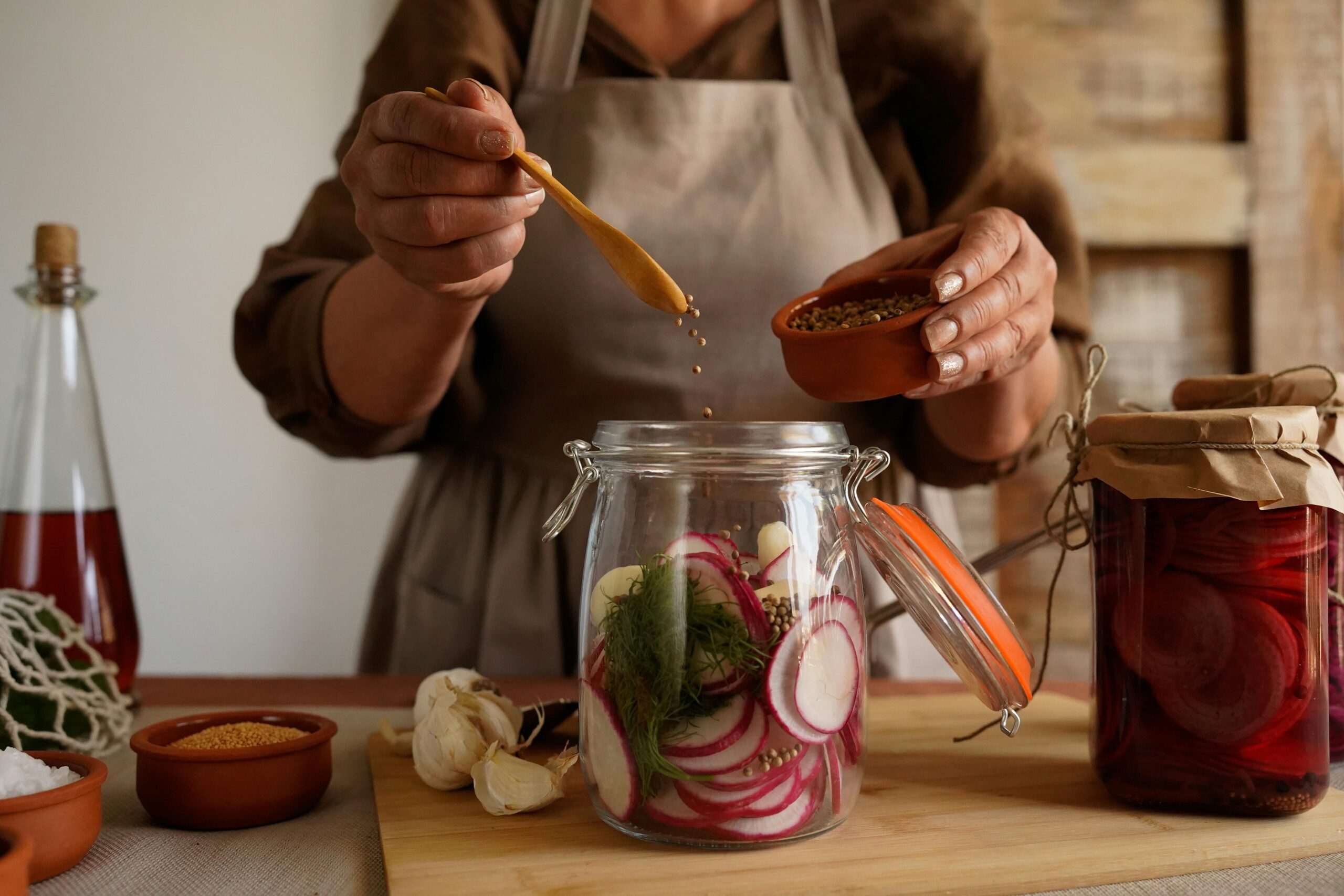
While bread and pizza dough dominate cold fermentation discussions, this technique extends far beyond baked goods. Fermented vegetables, cultured dairy products, and fermented beverages all benefit from temperature-controlled fermentation processes that emphasize flavor development over speed.
Kimchi and sauerkraut, for instance, develop more balanced acidity and retain better texture when fermented at cooler temperatures. Rather than the aggressive, rapid fermentation that occurs at room temperature, a cool basement or refrigerator fermentation allows for gradual acidification and the development of multiple bacterial strains that contribute to complex flavor profiles.
Yogurt and kefir production can also incorporate cold fermentation stages. While initial culturing typically occurs at warmer temperatures to activate beneficial bacteria, a secondary cold fermentation period can enhance flavor, increase probiotic diversity, and improve texture. This two-stage approach combines the efficiency of warm fermentation with the refinement that cold temperatures provide.
🍺 Brewing and Beverage Fermentation at Ambient Temperatures
The brewing industry has long understood the value of temperature-controlled fermentation. Lager beers, in fact, derive their name from the German word “lagern,” meaning “to store,” referring to the traditional practice of cold-storing beer during fermentation and maturation.
Home brewers and kombucha makers are increasingly adopting ambient and cool temperature fermentation strategies to improve their products. Cold fermentation in brewing produces cleaner flavors, reduces the formation of fusel alcohols (which create harsh, solvent-like tastes), and allows for better clarification of the final beverage.
Kombucha fermented at cooler temperatures develops a more balanced sweet-tart profile compared to the aggressively acidic results of warm fermentation. The slower pace allows the symbiotic culture of bacteria and yeast (SCOBY) to create a more harmonious blend of organic acids, resulting in a more refined and drinkable product.
Creating Your Cold Fermentation Environment
One of the most appealing aspects of cold fermentation is that it doesn’t require specialized equipment. Most home refrigerators maintain temperatures between 35-40°F (2-4°C), which works perfectly for many cold fermentation applications. However, understanding how to optimize your environment can significantly improve results.
For those seeking slightly warmer fermentation temperatures, several household locations offer ideal ambient conditions. An unheated basement, garage during spring or fall, or even a cool pantry can provide the 50-60°F (10-15°C) range that some fermentation projects prefer. These temperatures offer a middle ground—slower than room temperature fermentation but warmer than full refrigeration.
Temperature Monitoring and Adjustments
Investing in an inexpensive thermometer helps ensure your fermentation environment remains within the desired range. Digital probe thermometers with remote monitoring capabilities allow you to track fermentation temperatures without opening containers or disrupting the process. This becomes particularly important for longer fermentation projects where temperature fluctuations can impact final results.
If your refrigerator runs too cold for certain fermentation projects, consider using the vegetable crisper drawer, which typically maintains slightly warmer temperatures than the main compartment. Alternatively, placing fermentation vessels on upper shelves (where temperatures run slightly warmer) can provide the few degrees of difference needed for optimal results.
⏰ Timing Your Cold Fermentation Journey
Understanding fermentation timelines helps you plan projects around your schedule while achieving desired flavor profiles. Different foods and ingredients require different fermentation periods to reach their peak characteristics.
| Product Type | Minimum Time | Optimal Range | Maximum Time |
|---|---|---|---|
| Pizza Dough | 24 hours | 48-72 hours | 5 days |
| Sourdough Bread | 8 hours | 12-24 hours | 48 hours |
| Fermented Vegetables | 1 week | 2-4 weeks | 6 months |
| Cold Brew Coffee | 12 hours | 18-24 hours | 36 hours |
These timelines serve as starting points rather than absolute rules. Personal preference, specific recipes, and environmental factors all influence optimal fermentation duration. Keeping detailed notes about your fermentation projects helps you refine timing for future batches and develop intuition about how different variables affect outcomes.
Troubleshooting Common Cold Fermentation Challenges
Even experienced fermenters encounter occasional issues when working with cold fermentation techniques. Understanding common problems and their solutions helps you navigate challenges and achieve consistent results.
Insufficient rise or fermentation activity often indicates too little yeast or bacteria, excessively cold temperatures, or ingredients that inhibit microbial growth. If your dough barely expands after 24 hours in the refrigerator, try slightly increasing yeast quantity in future batches or ensuring your refrigerator isn’t set too cold. Chlorinated water can also inhibit fermentation—consider using filtered or bottled water if this persists as an issue.
Over-fermentation manifests as overly sour or alcoholic flavors, collapsed dough structure, or excessive liquid separation. This typically results from fermenting too long or at too warm a temperature. Reduce fermentation time, ensure consistent refrigeration, and decrease the amount of starter culture or yeast in your recipes.
Uneven fermentation, where portions of your product ferment faster than others, usually stems from temperature gradients within your fermentation vessel or refrigerator. Positioning containers away from cooling elements and rotating them periodically promotes more uniform fermentation.
🌿 Flavor Profiles: What to Expect from Cold Fermentation
Cold fermentation produces distinctive flavor characteristics that differentiate products from their warm-fermented counterparts. Recognizing these signature flavors helps you appreciate the technique’s value and guides your experimentation with different applications.
Breads and doughs develop nutty, slightly sweet undertones with subtle tanginess rather than aggressive sourness. The crust achieves deeper caramelization and more complex toasted flavors. The crumb becomes more tender and develops better keeping qualities, remaining fresh-tasting for several days after baking.
Fermented vegetables retain more crispness and develop layered acidity rather than one-dimensional sourness. You’ll notice subtle variations in flavor as different bacterial strains contribute their unique metabolic byproducts. The vegetables maintain brighter colors and more distinct individual vegetable flavors compared to rapidly fermented versions.
Fermented beverages display cleaner, more refined flavor profiles with better balance between sweet, sour, and bitter elements. Off-flavors and harsh notes become less prominent, while subtle aromatic compounds take center stage. The mouthfeel often improves, with better integration of all flavor components.
Scaling Cold Fermentation for Different Batch Sizes
One advantage of cold fermentation is its scalability. Whether you’re making a single loaf of bread or preparing dough for a family gathering, the technique adapts easily to different production scales.
For small batches, standard food storage containers work perfectly. Glass or food-safe plastic containers with tight-fitting lids protect your fermentation from refrigerator odors while allowing you to monitor progress visually. Dating and labeling containers prevents confusion when you have multiple projects fermenting simultaneously.
Larger batch production requires more planning and appropriate containers. Restaurant-style food storage containers, available at kitchen supply stores, accommodate substantial quantities while fitting efficiently in standard refrigerators. When fermenting large volumes, remember that the center of the mass may experience slightly different conditions than the exterior—occasional gentle mixing ensures consistency.
💡 Advanced Techniques for Flavor Customization
Once you’ve mastered basic cold fermentation, advanced techniques allow you to fine-tune flavors and create signature products that reflect your personal preferences.
Temperature stepping involves beginning fermentation at room temperature for several hours to jump-start microbial activity, then transferring to refrigeration for extended cold fermentation. This hybrid approach combines the benefits of both temperature ranges—rapid initial development followed by slow flavor refinement.
Multi-stage fermentation incorporates different temperature phases throughout the process. Bread bakers might proof shaped loaves at room temperature for final rise after cold bulk fermentation, while vegetable fermenters might begin at cool temperatures, warm briefly to accelerate specific bacterial strains, then return to cold storage for aging.
Blending ferments of different ages creates complex flavor profiles impossible to achieve with single-batch fermentation. Mix freshly made sauerkraut with six-month-aged versions, or combine young and mature sourdough starters to balance vigor with flavor complexity.
Health and Safety Considerations
Cold fermentation offers inherent safety advantages over room temperature fermentation. The cooler temperatures that favor beneficial bacteria also inhibit many pathogenic organisms, creating a safer environment for fermentation. However, basic food safety principles still apply.
Always use clean equipment and containers to prevent contamination. While fermentation creates acidic environments that protect against harmful bacteria, starting with sanitary conditions ensures beneficial microorganisms dominate from the beginning. Proper sanitation becomes especially critical when fermenting dairy products or other protein-rich foods.
Monitor your ferments for signs of spoilage, though these occur rarely with cold fermentation. Mold growth (other than the white bloom on some salami), foul odors distinctly different from normal fermentation smells, or unusual discoloration indicate problems. When in doubt, discard questionable batches and start fresh.
Embracing the Patient Path to Bold Flavors
Cold fermentation challenges our modern obsession with speed and instant gratification. In a world of quick fixes and rapid results, choosing to wait days or weeks for food to develop optimal characteristics represents a meaningful counterbalance. This patient approach to cooking and food preparation reconnects us with traditional foodways while producing objectively superior results.
The technique rewards planning and forethought. By thinking several days ahead, you ensure that incredible homemade bread awaits your weekend dinner party or that perfectly fermented vegetables complement your meals throughout the week. This temporal mindfulness enhances not just the food itself but your entire relationship with cooking and eating.
As you incorporate cold fermentation into your culinary repertoire, you’ll discover that the extended timelines become features rather than drawbacks. The minimal active work required—often just mixing ingredients and refrigerating—means cold fermentation fits seamlessly into busy schedules. While time investment increases, actual hands-on effort often decreases compared to traditional methods.
Start with simple projects like refrigerated pizza dough or cold brew coffee, then gradually expand to more complex fermentation endeavors as your confidence and understanding grow. Each successful batch builds knowledge and intuition, transforming you from a recipe follower into a confident fermenter who understands the principles underlying the process. The bold, complex flavors you’ll create through cold fermentation will permanently elevate your cooking, proving that some things truly are worth the wait.