
Fermentation is a timeless craft that transforms simple ingredients into complex, flavorful creations. Understanding how seasonal changes affect this ancient process is essential for anyone seeking consistent, delicious results throughout the year.
🌡️ Why Temperature and Timing Matter in Fermentation
Temperature stands as the single most influential factor in fermentation success. Microorganisms responsible for transformation—whether bacteria, yeast, or molds—operate within specific temperature ranges that directly impact their activity levels, reproduction rates, and the flavors they produce.
During warmer months, fermentation proceeds rapidly, sometimes too quickly for optimal flavor development. Conversely, winter’s chill slows microbial activity, extending fermentation times but often yielding more nuanced, complex flavor profiles. Understanding this relationship allows fermenters to adjust their techniques seasonally, maintaining quality and consistency regardless of external conditions.
The ambient temperature in your fermentation space affects not just speed but also which microorganisms dominate. Certain bacteria thrive in warmth while others prefer cooler environments. This microbial competition shapes the final product’s taste, texture, and aroma in profound ways that experienced fermenters learn to anticipate and control.
Spring Fermentation: Awakening Flavors After Winter
Spring brings moderate temperatures ideal for many fermentation projects. As days lengthen and warmth returns, this season offers excellent conditions for beginning fermenters and experienced practitioners alike. The temperature stability of spring—typically ranging between 60-70°F (15-21°C)—creates predictable fermentation environments.
Best Spring Fermentation Projects
Vegetable ferments shine during spring’s arrival. Fresh asparagus, radishes, and early greens from gardens and markets transform beautifully through lacto-fermentation. The moderate temperatures prevent overly rapid fermentation while maintaining sufficient warmth for healthy bacterial activity.
Kombucha production accelerates as temperatures rise, with brewing times shortening from winter’s 2-3 weeks to approximately 7-10 days. This seasonal shift requires closer monitoring to prevent over-fermentation, which can result in excessively vinegary flavors.
Sourdough starters that languished during winter months suddenly become vigorous and active. Spring warmth awakens dormant wild yeasts, making this season perfect for establishing new starters or reviving neglected ones. Feeding schedules may need adjustment as rising activity levels consume flour more quickly.
Managing Spring Temperature Fluctuations
Spring weather can be unpredictable, with warm days followed by cool nights. This variability requires attention and flexibility. Place fermentation vessels in stable locations away from windows where temperature swings occur most dramatically. Interior rooms or insulated spaces maintain more consistent conditions.
Monitor ferments more frequently during spring, checking at least once daily. The transitional nature of this season means conditions can change rapidly, and what worked yesterday may need adjustment today. Visual inspection, aroma assessment, and taste testing become essential practices.
☀️ Summer Fermentation: Harnessing Heat Without Compromise
Summer presents both opportunities and challenges for fermentation enthusiasts. Abundant seasonal produce begs to be preserved, yet heat accelerates fermentation to potentially problematic speeds. Success requires strategic planning and temperature management techniques.
Controlling Rapid Summer Fermentation
When temperatures soar above 75°F (24°C), fermentation can complete in half the time or less compared to cooler seasons. While speed might seem advantageous, rushed fermentation often produces inferior flavors lacking the complexity that develops through slower processes.
Seek the coolest locations in your home—basements, north-facing rooms, or insulated pantries. Even a few degrees can significantly impact fermentation rates. Some fermenters use evaporative cooling techniques, placing vessels in shallow water pans with damp towels draped over them, creating a cooling effect through evaporation.
Refrigeration becomes a valuable tool during summer. Starting ferments at room temperature for initial activity, then moving them to cooler environments after 12-24 hours, slows the process while maintaining flavor development. This technique works particularly well for vegetables, hot sauces, and cultured dairy products.
Summer’s Fermentation Bounty
Despite heat challenges, summer offers unparalleled ingredient variety. Tomatoes ferment into complex bases for sauces and salsas. Cucumbers transform into crisp pickles through quick fermentation methods that leverage high temperatures for rapid brine development followed by cold storage to halt the process at peak crunchiness.
Berry and fruit ferments—from strawberries to peaches—capture summer’s essence in probiotic-rich preserves. The natural sugars in ripe fruit provide excellent food for beneficial bacteria and yeasts, creating tangy, effervescent products that balance sweet and sour notes beautifully.
Hot pepper fermentation thrives in summer warmth. Jalapeños, habaneros, and specialty peppers ferment into hot sauces with depth impossible to achieve through vinegar-based methods alone. The heat actually aids in breaking down tough pepper cell walls, releasing more capsaicin and flavor compounds.
🍂 Autumn Fermentation: Nature’s Perfect Fermentation Season
Many experienced fermenters consider autumn the ideal season for fermentation projects. Temperatures moderate into optimal ranges, harvest abundance provides endless ingredients, and cooling weather naturally creates excellent storage conditions for finished products.
Why Fall Excels for Fermentation
Temperatures typically range between 60-70°F (15-21°C), the sweet spot for most fermentation types. This range supports vigorous microbial activity without excessive speed, allowing flavors to develop fully and complexity to emerge gradually.
The psychological aspect matters too—as days shorten and outdoor activities wane, indoor fermentation projects provide satisfying focus. The anticipation of preserved harvests sustaining you through winter adds purpose to autumn fermentation efforts.
Essential Autumn Fermentation Projects
Cabbage reaches peak quality in fall, making this the traditional season for sauerkraut production. Heads are dense, sweet, and crisp—perfect for fermentation. Large batches made in autumn provide probiotics and nutrients throughout winter months when fresh vegetables become scarce or expensive.
Apple cider and perry (pear cider) production aligns with autumn harvests. Wild yeasts present on fruit skins create complex, terroir-driven beverages that capture the essence of place and season. These ferments benefit from falling temperatures that slow fermentation, developing nuanced flavors.
Root vegetables—beets, carrots, turnips—ferment exceptionally well in autumn’s moderate temperatures. Their natural sugars feed fermentation while their firm textures withstand the process, resulting in crunchy, probiotic-rich preparations that complement winter meals perfectly.
❄️ Winter Fermentation: Mastering the Cold Season
Winter’s chill dramatically slows fermentation, requiring patience and adjusted expectations. However, this season offers unique advantages including natural refrigeration, reduced spoilage risks from slower bacterial activity, and opportunities for specific cold-temperature ferments.
Adapting Techniques for Cold Weather
When indoor temperatures drop below 60°F (15°C), fermentation can slow to a crawl or stop entirely. Creating warmer microclimates becomes essential. Place fermentation vessels near (but not on) radiators or heating vents. Some fermenters use seedling heat mats designed for gardening, providing gentle, consistent warmth from below.
Insulation helps maintain stable temperatures. Wrapping vessels in towels or blankets, or placing them inside insulated coolers with warm water bottles, creates stable environments that protect against temperature fluctuations while providing necessary warmth.
Extended fermentation times should be expected and embraced. What takes one week in summer may require three or four weeks in winter. This slower pace often produces superior flavors as compounds develop gradually without stress or rushed transformation.
Winter-Specific Fermentation Opportunities
Miso and long-term fermentation projects begin ideally in winter. These preparations benefit from months of slow development, and starting them during cold weather allows gradual progression through spring warming, creating depth impossible to achieve through accelerated processes.
Preserved lemons—a staple of Middle Eastern and North African cuisines—ferment perfectly in winter’s cool temperatures. The slow salt penetration and gradual fermentation create soft, intensely flavored lemons without the mushiness that can result from warm-weather preparation.
Cultured butter and crème fraîche production becomes more manageable in winter. The cooler ambient temperatures prevent these dairy ferments from becoming too tangy too quickly, allowing subtle flavor development while maintaining proper consistency.
🔧 Tools and Techniques for Year-Round Success
Investing in proper equipment and understanding key techniques ensures consistent results regardless of season. While fermentation can be accomplished with minimal tools, certain items significantly improve outcomes.
Essential Fermentation Equipment
A reliable thermometer ranks as the most important tool. Digital instant-read thermometers provide quick, accurate readings of both ambient temperatures and ferment temperatures. Some fermenters use thermometer strips that adhere to vessels, offering continuous temperature monitoring.
Airlock systems prevent contamination while allowing carbon dioxide to escape. These simple devices—used in brewing and vegetable fermentation—dramatically reduce spoilage risks by creating oxygen-free environments where beneficial anaerobic bacteria thrive while molds and harmful organisms cannot survive.
Glass vessels remain the gold standard for fermentation. They don’t absorb flavors or odors, allow visual monitoring, and clean easily. Wide-mouth jars facilitate packing vegetables and retrieving finished products. Various sizes accommodate different batch scales from experimental single servings to large family-sized quantities.
Temperature Control Methods
For serious fermenters, temperature-controlled environments provide consistency across seasons. Wine coolers, beverage refrigerators, or dedicated fermentation chambers maintain precise temperatures regardless of weather. These investments pay dividends through improved quality and reduced batch failures.
Less expensive approaches include creating insulated boxes with temperature controllers. A styrofoam cooler fitted with a small heating element and thermostat creates a stable fermentation environment for modest cost. This DIY approach suits various fermentation types and scales.
📊 Seasonal Fermentation Quick Reference
| Season | Temperature Range | Fermentation Speed | Best Projects | Main Challenge |
|---|---|---|---|---|
| Spring | 60-70°F (15-21°C) | Moderate | Vegetables, kombucha, sourdough revival | Temperature fluctuations |
| Summer | 75-85°F (24-29°C) | Fast | Hot sauces, fruit ferments, quick pickles | Controlling rapid fermentation |
| Autumn | 60-70°F (15-21°C) | Moderate | Sauerkraut, root vegetables, cider | None—ideal conditions |
| Winter | 50-60°F (10-15°C) | Slow | Miso, preserved lemons, cultured dairy | Maintaining adequate warmth |
🎯 Troubleshooting Seasonal Fermentation Issues
Even experienced fermenters encounter problems. Understanding common seasonal issues and their solutions prevents batch losses and builds expertise.
Summer Overheating Problems
Excessively fast fermentation produces overly acidic, mushy vegetables lacking crunch and complexity. If this occurs, immediately move ferments to refrigeration to halt bacterial activity. In future batches, increase salt concentrations slightly—higher salt levels slow fermentation while remaining safe and flavorful.
Kahm yeast—a harmless but unsightly white film—appears more frequently in warm conditions. While not dangerous, it imparts off-flavors if left undisturbed. Simply skim it off regularly and ensure vegetables remain submerged beneath brine where yeast cannot access oxygen.
Winter Stalling and Slow Progress
Ferments that show no activity after several days in cold conditions haven’t failed—they’re merely slow. Resist the urge to add more starter culture or salt. Instead, find a warmer location or create a heated environment. Patience yields rewards as slow fermentation develops superior flavors.
If molds appear during winter fermentation, insufficient salt or oxygen exposure likely caused the problem rather than cold temperatures. Ensure proper salt ratios (generally 2-3% of total weight for vegetables) and keep ingredients submerged beneath brine using weights or other methods.
Building Your Seasonal Fermentation Calendar
Strategic planning maximizes seasonal advantages while ensuring year-round supply of fermented foods. Creating a personalized fermentation calendar based on your climate, preferences, and storage capacity provides structure and ensures you’re always working with optimal conditions.
Planning for Continuous Production
Start long-term projects during ideal seasons. Begin miso in late winter for autumn completion. Start vinegar mothers in autumn for spring bottling. This approach aligns fermentation timelines with temperature patterns, producing superior results.
Stagger quick ferments throughout seasons. Rather than making all summer pickles at once, produce small batches every few weeks. This rotation ensures continuous supply while preventing overwhelming quantities that exceed storage capacity or consumption rates.
Document your experiences meticulously. Record temperatures, fermentation durations, and taste impressions. This personal database becomes invaluable for replicating successes and avoiding repeated mistakes. Over time, you’ll develop intuition about how your specific environment affects different ferments.
Embracing Seasonal Variation as an Asset
Rather than fighting seasonal changes, experienced fermenters embrace natural variation as an opportunity for diversity. Summer’s quick pickles differ from autumn’s slow-fermented versions—both have merit and unique characteristics worth celebrating.
This perspective shift transforms fermentation from a battle against nature into a partnership with natural cycles. Your summer sauerkraut will differ from winter batches, and that’s perfectly acceptable. These variations reflect the living nature of fermentation and the authentic connection between food and environment.
Seasonal fermentation mastery isn’t about achieving identical results year-round but rather about understanding how to work with each season’s unique characteristics to produce excellent results consistently. The cucumber fermented quickly in August heat creates a different but equally valuable product compared to the slow-fermented version made in October’s cool weather.
Advanced Techniques for True Mastery
Once basic seasonal adjustments become second nature, advanced techniques offer even greater control and possibilities for creative expression through fermentation.
Blending Seasonal Batches
Professional fermenters often blend batches from different seasons to create balanced, complex final products. A sharp summer sauerkraut mixed with mellower winter production yields depth neither achieves alone. This technique requires storage capacity to hold multiple batches but rewards with exceptional results.
Controlled Temperature Fermentation
Some fermenters use precise temperature control to recreate ideal conditions regardless of season. Fermentation chambers maintain exact temperatures—perhaps replicating autumn’s perfect conditions during summer or winter. While requiring investment and energy, this approach provides consistency for commercial operations or serious hobbyists.
Multi-Stage Fermentation
Sophisticated projects involve multiple fermentation stages at different temperatures. A hot sauce might begin with a warm-stage fermentation for initial breakdown, followed by cool-stage aging for flavor development. This technique leverages seasonal transitions naturally or recreates them artificially.
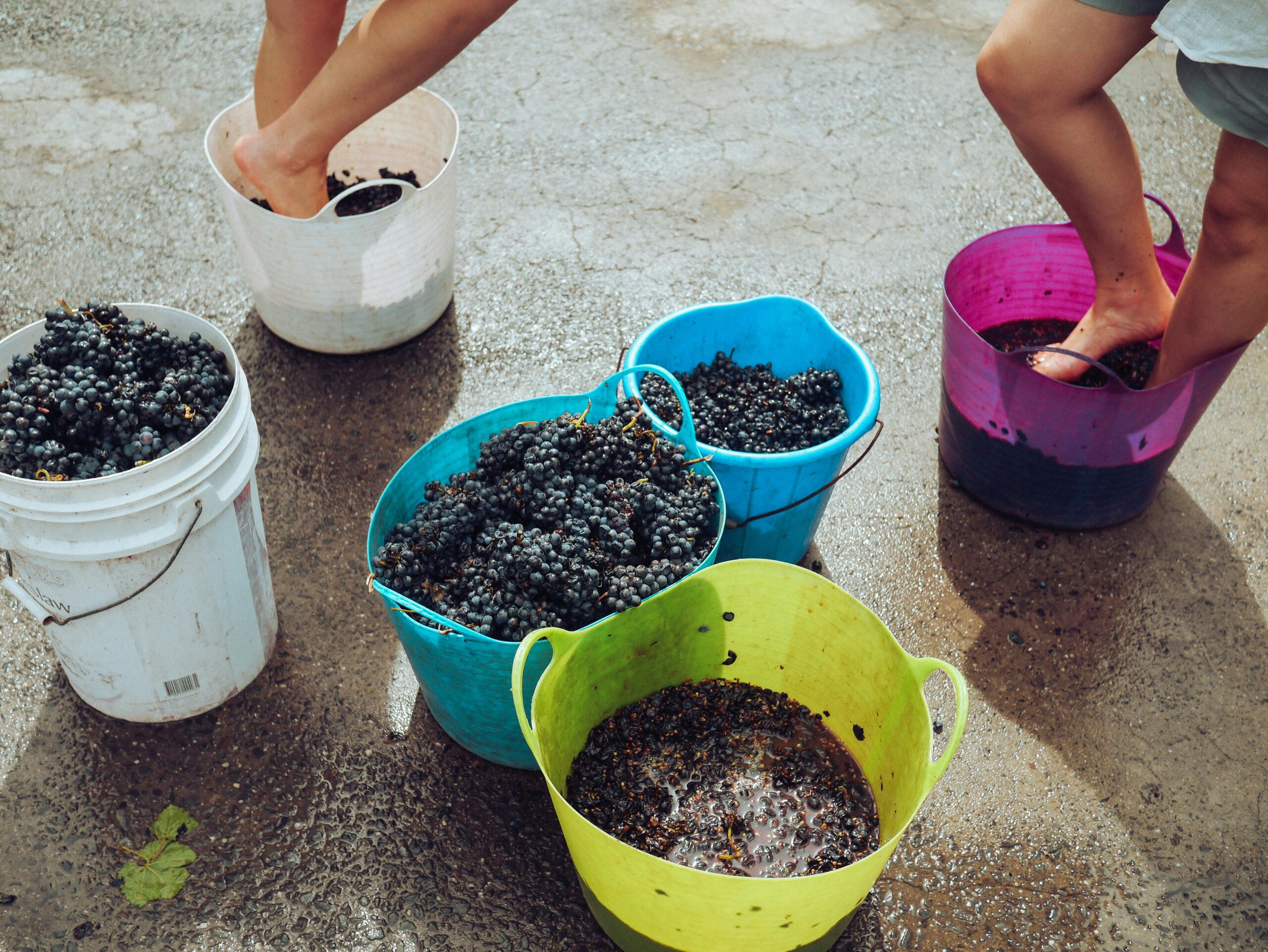
Sustaining Your Fermentation Practice Through All Seasons
The rhythm of seasonal fermentation creates a sustainable practice that deepens connection with food, time, and natural cycles. Unlike modern food production that forces uniformity year-round, fermentation honors seasonal variation while still providing reliable nutrition and flavor.
This ancient craft adapts beautifully to contemporary life. Even apartment dwellers with limited space can ferment seasonally, adjusting techniques to work with available conditions rather than requiring extensive equipment or perfect environments.
The key lies in observation, adjustment, and patience. Monitor your ferments regularly, adjust timing based on actual conditions rather than rigid schedules, and accept that living foods respond to their environment in ways that industrial products never will.
As you develop expertise across seasons, fermentation becomes more than a preservation technique—it transforms into a meditative practice that attunes you to subtle environmental changes and connects you with generations of fermenters who worked with these same seasonal rhythms throughout human history.
Your fermentation practice will evolve uniquely based on your local climate, available ingredients, and personal preferences. There’s no single correct approach, only principles to understand and adapt. Embrace experimentation, learn from both successes and failures, and remember that even imperfect ferments often prove delicious and nourishing.
Mastering seasonal fermentation ultimately means developing confidence to work with nature rather than against it, producing flavorful, healthful foods year-round while honoring the beautiful variations that each season brings to this timeless craft.