
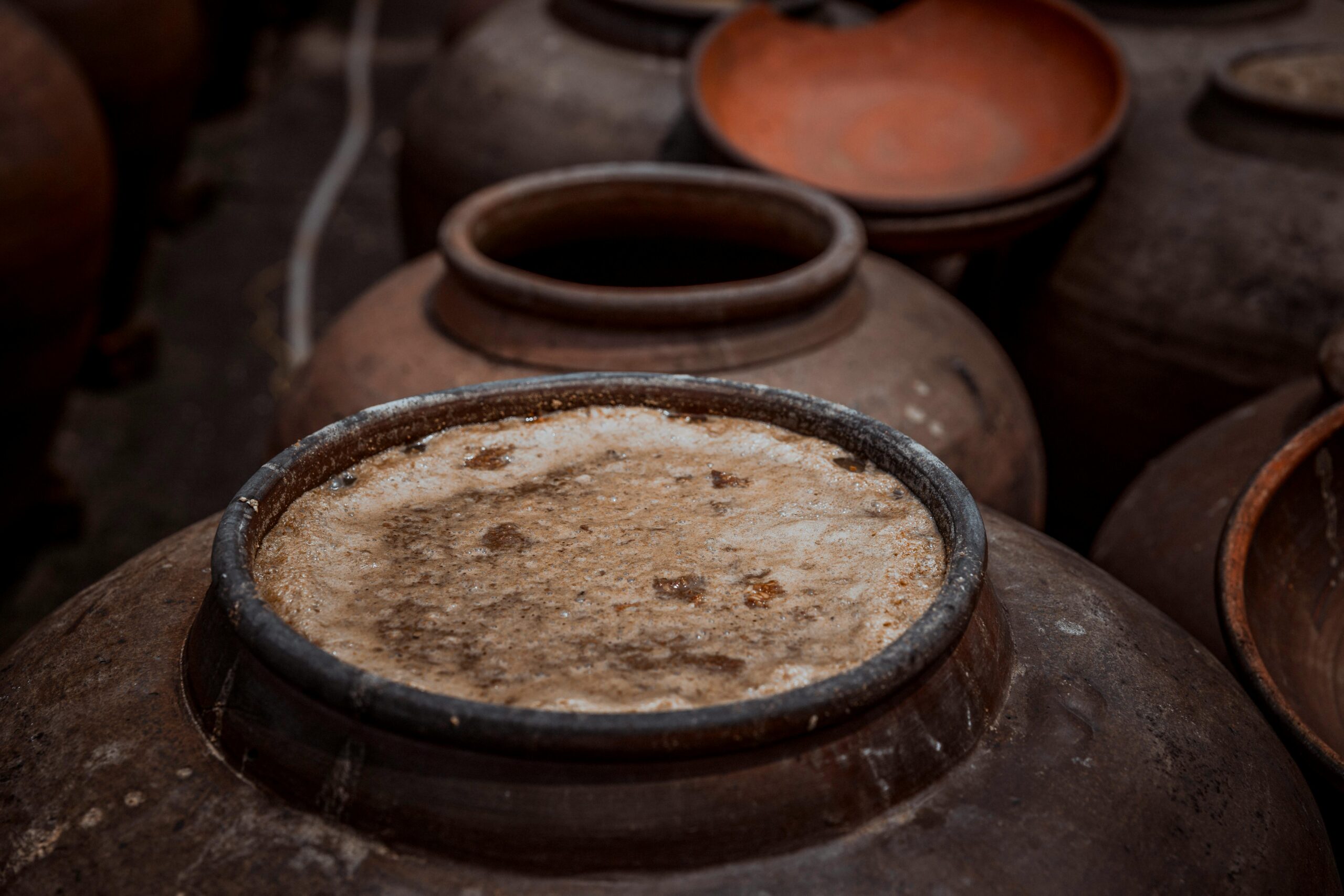
Cold fermentation paired with traditional clay and stone vessels unlocks deep, complex flavors in artisan foods, transforming your culinary creations into something truly extraordinary.
🏺 Why Ancient Vessels Are Making a Modern Comeback
The resurgence of traditional fermentation methods isn’t just nostalgia—it’s science meeting heritage. Clay and stone vessels have been used for millennia across cultures, from Korean onggi pots to European stoneware crocks. These materials create an ideal microenvironment that modern glass and plastic simply cannot replicate.
Unlike their contemporary counterparts, clay and stone are porous materials that allow microscopic oxygen exchange while maintaining stable internal conditions. This breathability is crucial during cold fermentation, where slower bacterial activity requires consistent environmental support. The mineral content in these vessels can also subtly influence the fermentation process, contributing trace elements that enhance flavor development.
Temperature regulation is another superpower of traditional vessels. Clay and stone possess natural insulating properties that buffer against external temperature fluctuations. During cold fermentation—typically conducted between 35°F and 55°F—this stability prevents the temperature spikes that can compromise your ferment or introduce unwanted bacterial strains.
The Science Behind Cold Fermentation Success
Cold fermentation operates on a simple but powerful principle: slower is better. When fermentation occurs at lower temperatures, beneficial bacteria like Lactobacillus species multiply more gradually, producing lactic acid at a measured pace. This extended timeline allows for more complex flavor compound development.
The reduced fermentation speed gives enzymes more time to break down proteins and starches into their constituent amino acids and sugars. These building blocks then interact with bacteria and yeasts to create hundreds of volatile aromatic compounds—the hallmark of truly artisan fermented foods.
Research published in food science journals has demonstrated that cold-fermented products contain higher concentrations of beneficial metabolites, including B vitamins, antioxidants, and bioavailable minerals. The slower process also reduces the risk of histamine formation, making cold-fermented foods more digestible for sensitive individuals.
Temperature Control and Microbial Balance
Maintaining the sweet spot of cold fermentation temperatures isn’t just about slowing things down—it’s about selecting which microorganisms thrive. Pathogenic bacteria generally prefer warmer conditions, while beneficial fermenting cultures have adapted to cooler environments through centuries of traditional practice.
Clay and stone vessels excel at maintaining this crucial temperature range without electricity. Their thermal mass absorbs heat during warmer periods and releases it when temperatures drop, creating a natural thermostat effect. This is particularly valuable for home fermenters who may not have dedicated fermentation chambers.
🍞 Choosing the Perfect Vessel for Your Fermentation Goals
Not all traditional vessels are created equal, and selecting the right one depends on what you’re fermenting and your desired outcomes. Understanding the subtle differences between materials and designs will elevate your fermentation practice.
Unglazed Clay Crocks: The Breathable Option
Unglazed clay offers maximum breathability, making these vessels ideal for ferments that benefit from slight evaporation and oxidation. Sauerkraut, kimchi, and pickled vegetables develop exceptional depth in unglazed crocks. The evaporation helps concentrate flavors while the oxygen exchange supports aerobic bacterial phases.
Before first use, unglazed vessels require seasoning—a process of filling them with water for 24-48 hours to saturate the clay. This prevents the vessel from absorbing too much liquid from your ferment and reduces the risk of cracking. Season your crock periodically to maintain its optimal performance.
Glazed Stoneware: The Versatile Workhorse
Partially glazed stoneware strikes a balance between breathability and containment. Interior glazing prevents excessive absorption and makes cleaning easier, while the unglazed exterior maintains some temperature regulation properties. These vessels work beautifully for a wide range of ferments, from sourdough starters to fermented beverages.
Look for lead-free glazes, particularly on vessels from reputable artisans or established manufacturers. Food-grade certification ensures your fermentation won’t introduce heavy metals or other contaminants into your creations.
Stone Vessels: The Premium Choice
Carved or molded stone vessels—whether soapstone, granite, or marble—represent the premium tier of fermentation equipment. These non-porous materials don’t absorb flavors or odors, making them perfect for fermenting multiple products sequentially. Stone’s superior thermal mass provides the most stable temperature environment possible without refrigeration.
The investment in stone vessels pays dividends through durability and performance. Properly maintained stone fermentation vessels can last for generations, developing a patina that tells the story of countless successful ferments.
Preparing Your Traditional Vessels for Fermentation
Proper preparation and maintenance of clay and stone vessels directly impacts fermentation success. These aren’t dishwasher-safe items—they require thoughtful care that respects their porous nature and natural properties.
Start by cleaning new vessels with hot water and a stiff brush. Avoid soap, which can penetrate porous surfaces and affect future ferments. For stubborn residues, create a paste from baking soda and water, scrub gently, then rinse thoroughly. Allow vessels to air dry completely before use.
The Importance of pH Balance
Clay naturally contains minerals that can affect the pH of your fermentation environment. If you’re working with a new unglazed vessel, consider testing the pH of water that’s been sitting in the crock for 24 hours. Ideal fermentation pH starts neutral and drops as lactic acid develops. If your vessel water tests alkaline, additional seasoning cycles may be necessary.
For stone vessels, pH concerns are minimal, but pre-chilling the vessel before adding your fermentation ingredients helps jumpstart the cold fermentation process with ideal conditions from the start.
🥒 Master Recipes for Clay and Stone Cold Fermentation
Let’s explore specific applications where traditional vessels and cold fermentation create magic together. These recipes have been refined over generations and adapted for modern understanding of fermentation science.
Artisan Sauerkraut with Complex Depth
Cold-fermenting sauerkraut in clay crocks produces cabbage with layered flavors impossible to achieve through quick fermentation methods. Start with 5 pounds of shredded cabbage, 3 tablespoons of sea salt, and optional aromatics like caraway seeds or juniper berries.
Massage the salt into the cabbage until liquid releases, then pack tightly into your prepared clay crock. Place a weight on top to keep cabbage submerged beneath the brine. Store in a cool location (45-50°F) for 4-6 weeks. The extended fermentation allows for development of subtle funky notes and tender yet crisp texture.
Sourdough Starter Cultivation
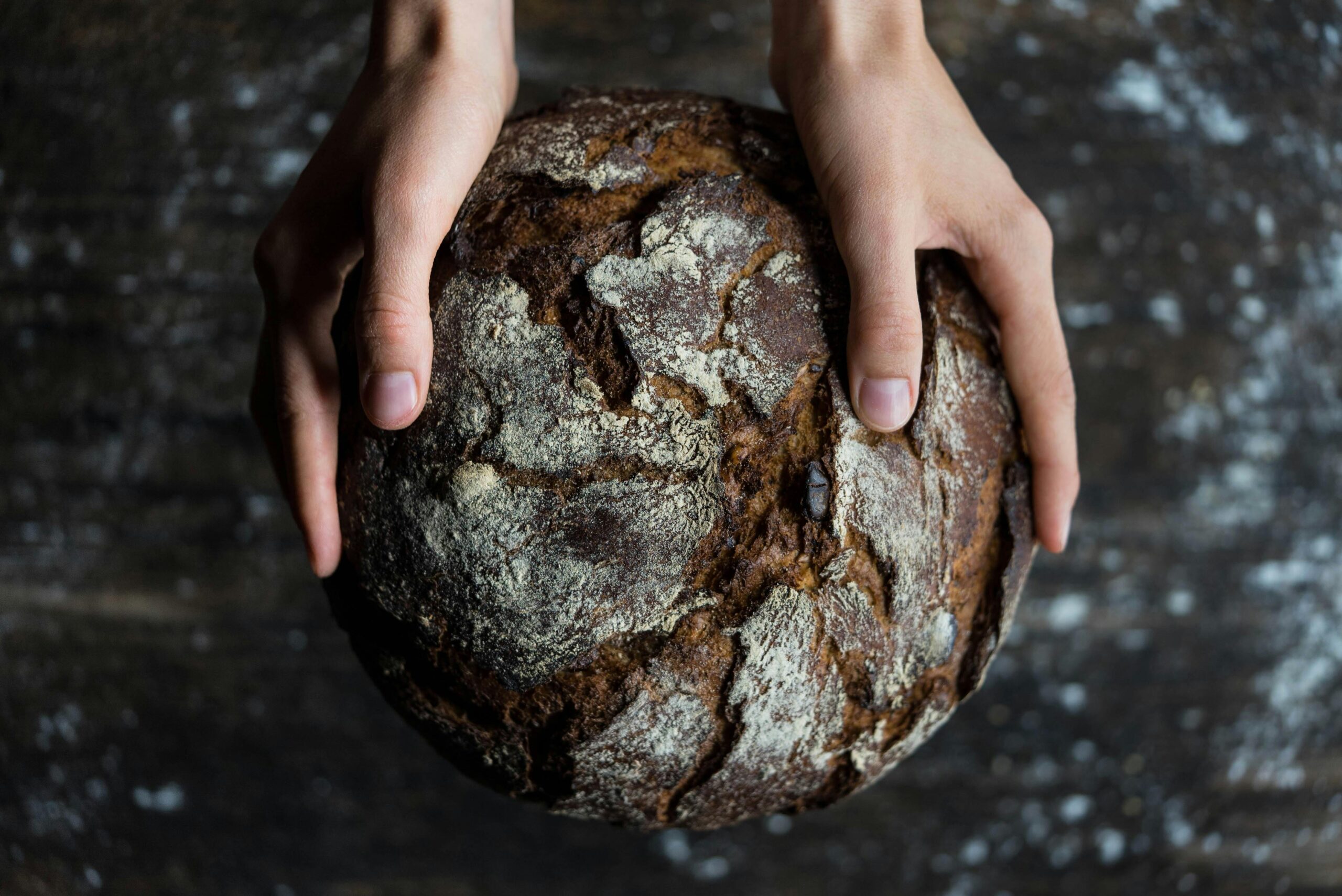
Stone or glazed clay vessels provide ideal homes for sourdough starters undergoing cold fermentation between feedings. The stable temperature and breathability support the complex yeast and bacterial ecology that defines great sourdough.
Mix equal parts whole grain flour and filtered water in your vessel, cover loosely, and maintain at 50-55°F. Feed weekly with fresh flour and water, discarding half before each feeding. This slow cultivation builds a robust starter with complex flavor compounds that express themselves in your finished bread.
Fermented Hot Sauce with Nuanced Heat
Cold-fermenting hot peppers in traditional vessels mellows harsh capsaicin burn while developing fruity, complex heat profiles. Combine 2 pounds of mixed peppers (jalapeños, serranos, habaneros), 4 cloves of garlic, and a 3% salt brine in your vessel.
Ferment at 50°F for 6-8 weeks, then blend with vinegar to desired consistency. The extended cold fermentation produces hot sauce with depth that store-bought versions can’t match—the heat builds gradually rather than attacking immediately.
Troubleshooting Common Cold Fermentation Challenges
Even experienced fermenters encounter occasional issues. Recognizing problems early and understanding their root causes prevents batch losses and builds your expertise.
Surface Mold Development
White film or fuzzy growth on the surface of your ferment typically indicates kahm yeast or mold. While kahm yeast is harmless (though flavor-affecting), true mold requires disposal of the affected portion. Prevention is key: ensure ingredients remain submerged, maintain proper salt ratios, and keep vessels clean.
Clay vessels’ breathability can sometimes contribute to surface issues if ambient humidity is too low. Covering the vessel opening with a clean cloth dampened with salt water creates a protective barrier while maintaining airflow.
Sluggish Fermentation
If fermentation seems stalled with little bubble activity or pH change after a week, temperature may be too cold or salt concentration too high. While cold fermentation is deliberately slow, it should show signs of life within 3-5 days. Moving the vessel to a slightly warmer location (55°F instead of 45°F) can jumpstart activity.
Off-Flavors and Aromas
Unpleasant smells beyond the expected funky fermentation aromas suggest contamination or improper ratios. Rotten egg odors indicate sulfur-producing bacteria, while acetone-like smells suggest excessive yeast activity. Trust your nose—if it smells bad rather than interestingly pungent, it’s probably not safe to consume.
🌿 Advanced Techniques for Flavor Development
Once you’ve mastered basic cold fermentation in traditional vessels, these advanced approaches will expand your artisan repertoire and deepen flavor complexity.
Staged Temperature Fermentation
Start fermentation at room temperature for 12-24 hours to establish bacterial colonies quickly, then move to your clay or stone vessel in cold storage for extended aging. This two-stage approach combines the benefits of rapid culture establishment with the refined flavors of cold fermentation.
This technique works particularly well for fermented vegetables and condiments where you want strong lactic acid development but also subtle aged characteristics.
Layered Fermentation
Large clay crocks enable simultaneous fermentation of complementary ingredients in distinct layers. Create a base layer of sauerkraut, add a middle layer of sliced beets, and top with whole garlic cloves. As fermentation progresses, flavors mingle subtly while maintaining distinct character zones.
This approach requires careful attention to salt distribution and packing density, but results in complex ferments that offer varied flavor experiences in a single batch.
Wild Fermentation Exploration
Cold fermentation in traditional vessels provides ideal conditions for capturing and cultivating wild yeasts and bacteria from organic produce. Skip commercial starter cultures and rely on the natural microbiome present on unwashed organic vegetables and fruits.
The slower cold process gives beneficial wild cultures time to outcompete potential pathogens, while the vessel’s mineral content may provide trace nutrients that support diverse microbial communities. Document your results to develop your own house cultures adapted to your specific environment.
Maintaining Your Traditional Fermentation Vessels
Proper care extends the lifespan of your clay and stone vessels indefinitely while maintaining optimal fermentation conditions. Develop cleaning and storage routines that respect these materials’ unique properties.
After emptying a ferment, rinse vessels immediately with cool water to prevent residue from setting. For deeper cleaning, use hot water and a natural bristle brush, scrubbing in circular motions. If brine has stained the clay, a paste of salt and water works as a gentle abrasive.
Store vessels in a dry, well-ventilated area away from direct sunlight. Unglazed clay can develop mildew if stored damp, so ensure complete drying between uses. Some fermenters store a small amount of salt in the bottom of unused vessels to absorb any moisture and prevent musty odors.
🌍 Cultural Traditions and Modern Innovation
Studying traditional fermentation practices from around the world reveals time-tested wisdom applicable to contemporary artisan creation. Korean kimchi fermentation in onggi pots, Japanese miso aging in cedar barrels, and European sauerkraut in stoneware crocks all demonstrate principles we can adapt.
These traditions emerged from practical necessity—preserving harvests without refrigeration—but produced flavor profiles we now recognize as gourmet. By understanding the reasoning behind traditional techniques, we can innovate while respecting fundamental fermentation principles.
Modern fermenters are creating hybrid approaches: using temperature-controlled environments to maintain ideal cold fermentation ranges while housing ferments in traditional vessels to capture their material benefits. This marriage of technology and tradition represents the cutting edge of artisan fermentation.
Elevating Your Culinary Creations Through Fermentation
Cold fermentation in traditional vessels transforms ordinary ingredients into extraordinary culinary components. The depth of flavor developed through patient, temperature-controlled fermentation cannot be rushed or replicated through shortcuts.
These fermented creations become building blocks for elevated dishes. Cold-fermented hot sauce adds complexity to vinaigrettes, aged sauerkraut brings sophistication to sandwiches, and well-developed sourdough starter produces bread with incomparable flavor and texture.
Professional chefs increasingly recognize the value of long-fermented ingredients, with many maintaining extensive fermentation programs using traditional methods and vessels. Home fermenters can achieve equally impressive results with attention to detail and patience.
Building Your Fermentation Practice Over Time
Mastering cold fermentation in traditional vessels is a journey rather than a destination. Each batch teaches valuable lessons about timing, salt ratios, temperature management, and flavor development. Keep detailed notes on your fermentations—dates, temperatures, ingredients, and tasting observations.
Start with simple projects like sauerkraut or pickles before progressing to more complex ferments requiring precise control. Build your vessel collection gradually, learning each piece’s characteristics and quirks. A single quality crock or stone vessel, properly used, will serve you better than multiple inferior containers.
Connect with the broader fermentation community through local workshops, online forums, and social media groups dedicated to traditional fermentation methods. Sharing experiences, troubleshooting challenges together, and celebrating successes enriches the practice beyond the final product.
The art of cold fermentation in timeless clay and stone vessels rewards patience, observation, and respect for natural processes. Your willingness to slow down, honor traditional methods, and work with living cultures creates foods with soul—nourishment that connects past wisdom with present creativity. Every jar you open, every flavor you discover, deepens your mastery of this ancient craft adapted for modern artisan excellence.